




Before You Hit the Road
Preparation is your first line of defence. The India Meteorological Department (IMD) has forecast heavy to very heavy rainfall for states including Kerala, Tamil Nadu, and Karnataka between October 15 and 20. Before starting your trip, check the latest
IMD bulletins and local traffic advisories. Plan a flexible itinerary with buffer days, as heavy rain can cause unexpected delays and road closures. Inform a friend or family member of your intended route and expected arrival time. Most importantly, conduct a thorough vehicle check. Ensure your tyres have adequate tread (at least 3mm is recommended for wet roads), brakes are responsive, and windscreen wipers are in perfect working order. Also, confirm all your lights—headlights, tail lights, and indicators—are functional for maximum visibility.
Mastering Monsoon Driving
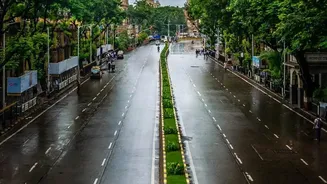
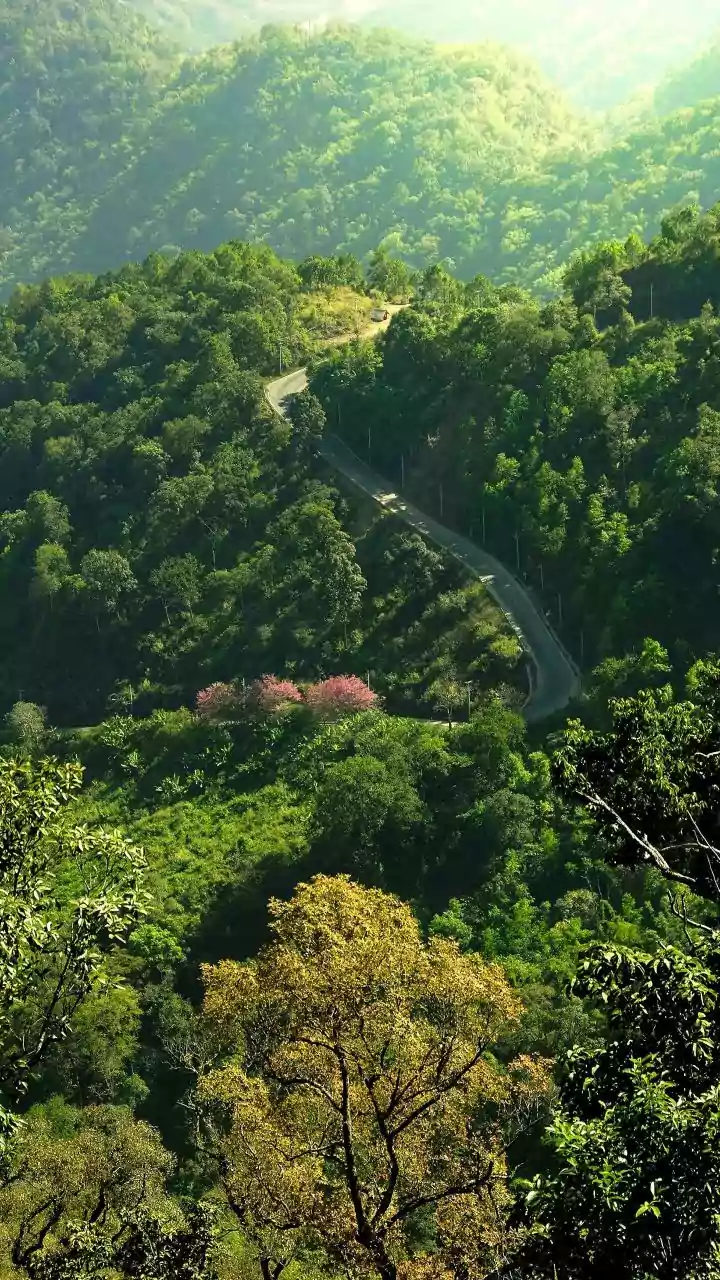
Driving on wet Indian roads requires a complete adjustment in technique. The most crucial rule is to slow down, reducing your speed by at least 30-40% compared to dry conditions. This increases your reaction time and helps prevent aquaplaning, where your tyres lose contact with the road surface. Double the distance between your vehicle and the one ahead to at least a four-second gap, as stopping distances increase dramatically on wet tarmac. Always drive with your low-beam headlights on, even during the day, to improve your visibility to others. Avoid using cruise control, as it can reduce your ability to react to sudden water patches. Be especially cautious on ghat roads, which are common in many parts of Southern India and prone to landslides and falling rocks during heavy downpours. Never stop in a potential landslide zone and avoid night driving in hilly areas if possible.
Navigating Waterlogged Roads
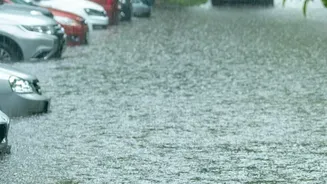
Waterlogging is a frequent hazard. If you encounter a flooded road, the safest option is to turn around. It's impossible to know the water's depth or what hazards, like open manholes or deep potholes, lie beneath. As little as six inches of water can cause you to lose control, and two feet can float a car. If you have no alternative and must proceed, watch other vehicles to gauge the depth. Do not attempt to cross if the water level is higher than the centre of your wheels or the bottom of your car doors. If you decide to drive through, stay in a low gear (preferably first) and keep your engine revs high to prevent water from entering the exhaust pipe. Maintain a steady momentum without stopping or sudden acceleration.
In Case of an Emergency
If your car stalls in a waterlogged area, do not try to restart it. This can force water into the engine and cause catastrophic damage. It's safer to abandon the vehicle and get to higher ground. If you find yourself trapped in a sinking car, act immediately. Don't waste time calling for help. Unbuckle your seatbelt and try to roll down a window to escape. Power windows may fail, so it's wise to have a car hammer or a heavy object accessible to break a side window. The windscreen is much harder to break. The water pressure outside will make opening the doors nearly impossible, so a window is your primary escape route. Prioritise personal safety over the vehicle in every situation.
Your Monsoon Emergency Kit
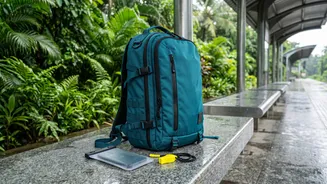
A well-stocked emergency kit can be a lifesaver. Before your trip, pack a waterproof bag with essentials. This should include a powerful torch with extra batteries, a fully charged power bank, a first-aid kit, and any personal medications. Also include dry snacks and plenty of drinking water. A reflective warning triangle and a high-visibility jacket are crucial if you have to stop on a highway. It's also wise to have a tow rope, jumper cables, and a basic toolkit for minor issues. Keep emergency contact numbers, including the National Highways helpline (1033), saved on your phone for quick access.