




Marigold (Genda)
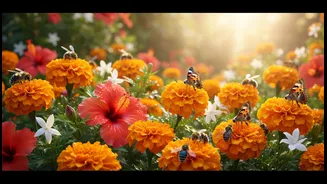
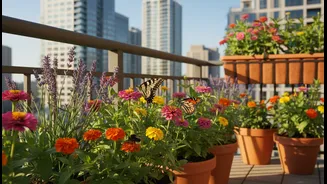
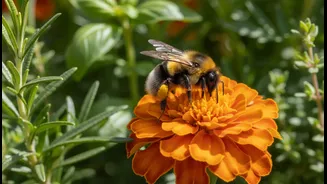
A staple in Indian households for festivals and decoration, the cheerful marigold is also a powerhouse for attracting pollinators. Its bright orange and yellow blooms act like a beacon for bees, butterflies, and other beneficial insects. Marigolds are
famously easy to grow, thriving in full sunlight and a wide range of soils. They bloom profusely for months, providing a long-lasting nectar source. As a bonus, they are known to repel certain garden pests, making them a natural and hardworking addition to any garden bed, balcony, or container. Simply ensure they get plenty of sun and water when the topsoil feels dry.
Holy Basil (Tulsi)
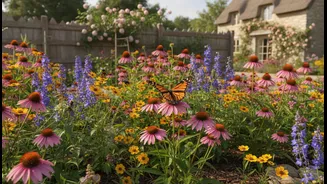
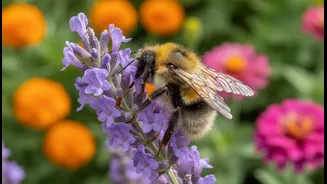
Revered in India for its spiritual and medicinal properties, Tulsi is also a phenomenal plant for supporting local ecosystems. When allowed to flower, its small, delicate purple-white blossoms are irresistible to bees. These tiny flowers are packed with nectar, attracting scores of bees and creating a gentle hum around the plant. Tulsi is exceptionally low-maintenance, growing well in pots and requiring only moderate sunlight and regular watering. By letting a portion of your Tulsi plant flower, you not only benefit your local bee population but also ensure a continuous cycle of this sacred and useful herb.
Jasmine (Chameli or Mogra)
The intoxicating fragrance of Indian jasmine varieties like Chameli and Mogra isn't just for our enjoyment. At night, these fragrant white flowers attract nocturnal pollinators like moths, which are crucial but often overlooked members of the ecosystem. During the day, they are visited by bees and butterflies. Jasmines are typically climbers or shrubs that are well-adapted to Indian climates. While they appreciate regular watering and some sun, they are generally hardy and can thrive for years, filling your evenings with perfume and supporting a diverse range of pollinators with their nectar-rich blooms.
Cosmos and Zinnia
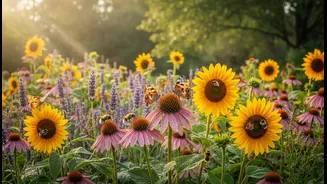
For a riot of colour and a guaranteed flurry of activity, look no further than Cosmos and Zinnias. Both are incredibly easy to grow from seed and will produce a profusion of blooms all summer long. Cosmos have delicate, open-faced flowers that are a favourite of butterflies. Zinnias offer bright, sturdy blossoms that butterflies find particularly attractive due to their vibrant colours and easily accessible nectar. Both plants thrive in sunny spots and don't require much more than basic watering. They are perfect for filling out a garden bed or creating a colourful container garden that serves as a high-traffic buffet for pollinators.
Indian Lantana (Ghaneri)
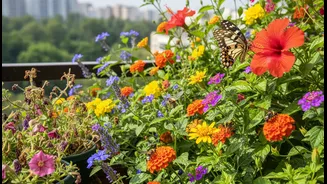
Though sometimes considered a weed, the native varieties of Lantana are a lifeline for butterflies. The plant produces clusters of small, tubular flowers that are perfectly shaped for butterflies to feed from. These clusters often feature multiple colours, making them visually striking. Lantana is famously drought-tolerant and thrives in heat and sun, making it one of the most low-maintenance plants you can grow. It attracts an astonishing variety of butterfly species and provides a reliable food source even in harsh conditions. For a truly fire-and-forget pollinator magnet, a controlled planting of Indian Lantana is hard to beat.
Hibiscus (Gudhal)
The large, dramatic flowers of the Hibiscus plant are like a welcome sign for pollinators. While bees visit them for pollen, these blooms are particularly effective at attracting nectar-feeding birds like sunbirds. Watching a sunbird hover and dip its beak into a hibiscus flower is a true gardening delight. These plants are common throughout India and relatively easy to care for, thriving in sunny locations. They come in a variety of colours, from classic red to pink, yellow, and white. Regular pruning can encourage more blooms, creating a long-lasting and beautiful feeding station for both birds and insects.