





Planning a trip for the Christmas or New Year holidays? You’re not alone. But this year, a perfect storm of soaring demand and strained airline capacity is raising concerns about ticket availability and skyrocketing prices across India.
A Perfect Storm for Holiday Fares
The end-of-year
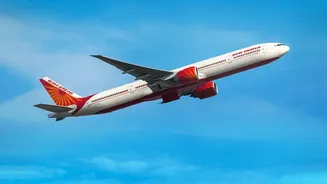
holiday period is traditionally the busiest and most expensive time to fly in India, but 2026 is shaping up to be particularly challenging. Flight searches for December travel have surged, with some platforms seeing a 150% week-on-week jump in late October. This explosive demand, driven by holiday travel, the wedding season, and inbound NRI traffic, is colliding with a notable reduction in available flights. For the first time since the pandemic recovery began, Indian airlines have scheduled fewer flights for November and December compared to the previous year, cutting over 7,000 domestic services. This means roughly 117 fewer flights will operate each day during the peak season, putting immense pressure on remaining seats and pushing last-minute fares to eye-watering levels.
Why Are There Fewer Flights?
The capacity crunch isn't due to a lack of ambition but a combination of operational and financial headwinds. Several Indian carriers are grappling with a significant number of grounded aircraft. The long-term grounding of Go First's entire fleet removed a substantial number of daily flights from the market, the effects of which are still being felt on popular leisure routes. Other airlines, including IndiGo and SpiceJet, have dozens of planes parked due to persistent engine supply chain issues and maintenance delays. Compounding this, some carriers are facing severe financial distress. SpiceJet, for instance, has had the majority of its fleet grounded and is operating a skeleton schedule, leading to cancellations and further reducing overall capacity. While some airlines like Air India Express and Akasa Air are expanding, it has not been enough to offset the broader fleet challenges and a recent dip in overall domestic capacity.
The Impact on Your Wallet
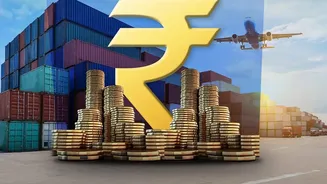
With more people chasing fewer seats, the laws of supply and demand are leading to a predictable outcome: higher prices. Airfares for the peak holiday window—roughly December 20 to January 5—are expected to be significantly higher than in the shoulder periods of early December or later in January. Travellers booking at the last minute for popular routes like Delhi to Goa or Mumbai to Bengaluru could see fares that are double or triple the lean-season baseline. Data from November already shows this trend, with one-way fares on major metro routes exceeding ₹16,000 for immediate travel. The problem is particularly acute on leisure routes where grounded airlines like Go First once had a strong presence, such as flights to Srinagar, Leh, and Goa.
How to Navigate the Holiday Rush
Finding a reasonably priced flight this holiday season requires strategy and flexibility. The single most effective tactic is to book as early as possible. For December travel, the best fares were likely found in October and early November; waiting longer will almost certainly mean paying more. If your plans are flexible, shifting your travel dates by even a few days can result in significant savings. Try to depart before December 20 and return after January 5 to avoid the worst of the peak pricing. Expanding your search to include alternative airports, considering a one-stop flight instead of a direct one, or even looking at train travel for shorter distances can open up more affordable options. Finally, use fare comparison websites and set up price alerts for your desired routes to ensure you are notified if a better deal appears, but be prepared to act quickly when you find a price you are comfortable with.