

The Great Reopening: Why October Is Prime Time
October marks the much-awaited reopening for many of India's premier national parks, which typically close during the heavy monsoon season from July to September. This annual closure allows the ecosystem to rejuvenate and keeps visitors safe from impassable
tracks. Post-monsoon, the landscape is vibrant and dust-free, waterholes are full, and the weather is pleasant, creating ideal conditions for wildlife sightings. Parks like Ranthambore, Corbett, and Kanha officially welcome tourists again around the 1st of October, while others, like those in Madhya Pradesh and Kaziranga, may open between October 1st and November 1st. It’s crucial to check the official notifications from state forest departments, as dates can vary.
Choose Your Wilderness: Parks and Their Stars
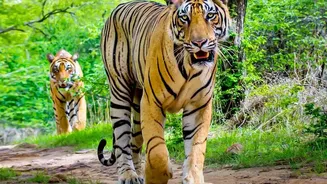
India’s biodiversity is vast, and choosing a park depends on what you hope to see. For the best chance of spotting a Royal Bengal Tiger, Ranthambore in Rajasthan and Bandhavgarh or Kanha in Madhya Pradesh are top contenders. Jim Corbett in Uttarakhand, India's oldest national park, is another excellent tiger habitat. If you're dreaming of the great one-horned rhinoceros, Assam's Kaziranga National Park is the world's foremost stronghold for the species. For a different kind of adventure, consider a boat safari in the Sundarbans of West Bengal, the largest mangrove forest and a unique tiger habitat, or Periyar in Kerala for its lakeside elephant herds.
The Booking Blueprint: Securing Your Safari
Planning is non-negotiable. Safari permits, especially for popular tiger reserves, are limited and sell out fast. It is highly recommended to book your safari well in advance—ideally 90 to 120 days ahead of your travel date, which is when booking windows typically open. Each state has its own official forest department website for online bookings. You'll need to provide the full name, age, gender, and government-issued ID number (like Aadhaar for Indian nationals or Passport for foreigners) for every visitor. The physical ID used for booking must be carried during the safari for verification. You will also choose your preferred safari zone, date, and time slot (morning or afternoon).
Your Basecamp: Selecting the Right Accommodation
Where you stay can significantly shape your experience. Options range from luxury jungle lodges and eco-resorts to government-run forest rest houses and budget-friendly hotels in nearby towns. Booking a lodge close to your designated safari gate saves precious travel time, especially for early morning drives. Many resorts offer all-inclusive packages that may bundle accommodation with meals and safari arrangements, but always confirm whether the safari permit is included in your package or if you need to book it separately. Reputable operators and lodges often employ experienced naturalists who can greatly enhance your trip with their knowledge.
Pack Smart: The Essential Safari Kit
Dressing appropriately is key for both comfort and successful wildlife viewing. Opt for neutral, earthy tones like khaki, olive, and beige to blend in with the natural surroundings; avoid bright colors which can startle animals. Layering is essential. Early morning safaris can be surprisingly chilly, so pack a fleece or a light jacket. As the day warms up, you can shed layers. A wide-brimmed hat, sunglasses, and sunscreen are crucial for sun protection. Other must-haves include a good pair of binoculars for spotting distant wildlife, a camera with extra batteries and memory cards, insect repellent, and a reusable water bottle.
Jungle Etiquette: Making the Most of Your Drive
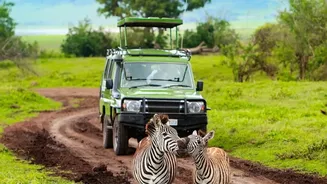
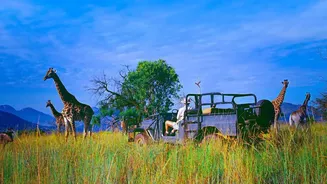
Once you're in the jeep, the rules are simple but vital. Maintain silence or speak in low whispers to avoid disturbing the animals and to better hear the sounds of the forest. Always listen to your guide; their experience is your best asset for tracking wildlife and ensuring safety. Do not get out of the vehicle, feed any animals, or leave any trash behind. Wildlife sightings are a matter of chance, so patience is crucial. Use your time to appreciate the entire ecosystem—the birds, the deer, the plant life—not just the hunt for a big cat. This patient observation often leads to the most rewarding encounters.