







The New Rule: 30 Days, Visa-Free
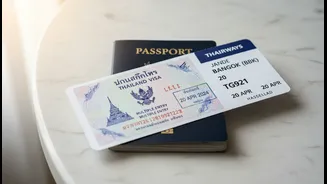
In a decision that provides much-needed clarity, the Thai cabinet confirmed on July 14, 2026, that Indian passport holders will continue to enjoy visa-free entry. However, the permitted duration of stay has been halved, from the previous temporary 60-day
period to a standard 30 days. This move comes as a relief to many, as it avoids a feared reversion to a more complex and costly Visa on Arrival (VoA) system. The new 30-day allowance is seen as a stable, long-term policy, replacing the back-and-forth announcements that had recently created confusion for tourists and travel agents alike.
Why Was the Policy Changed?
The adjustment is part of a broader overhaul of Thailand's immigration framework. The previous 60-day visa exemption, which was extended to 93 countries, raised concerns among Thai authorities about misuse, including foreigners overstaying to work illegally. The initial proposal to scrap visa-free entry for several countries, including India, led to a significant drop in tourist arrivals from what is one of Thailand's largest markets. Realising the economic impact, the government opted for a middle path: retaining the popular visa-free facility for Indians but reducing the stay limit to 30 days to better manage immigration controls while still encouraging tourism.
Big Impact on Long-Term Planners
For the majority of Indian tourists, this change will have little to no negative impact. With the average holiday to Thailand lasting between seven and ten days, the 30-day limit is more than sufficient. The real impact is felt by those planning longer trips. Digital nomads, backpackers on extended tours of Southeast Asia, or those planning 'workations' will now need to apply for an appropriate tourist visa in advance if they intend to stay beyond 30 days. This marks a significant shift from the flexibility the 60-day period offered and requires more deliberate long-term planning.
The Rule That Can't Be Ignored: Proof of Funds
While the visa duration is the headline change, another rule is gaining renewed attention. Travellers are being reminded of the long-standing requirement to show proof of sufficient funds upon arrival. Immigration officers have the discretion to ask visitors to show they have at least 20,000 Thai Baht (approximately ₹50,000) per person in cash or equivalent currency. Previously, this check was infrequent, but advisories now urge travellers to be prepared. Relying solely on credit or debit cards for this proof may not be enough; having the cash on hand can prevent being denied entry, turning a dream holiday into a nightmare at the airport.
Your Updated Thailand Pre-Travel Checklist
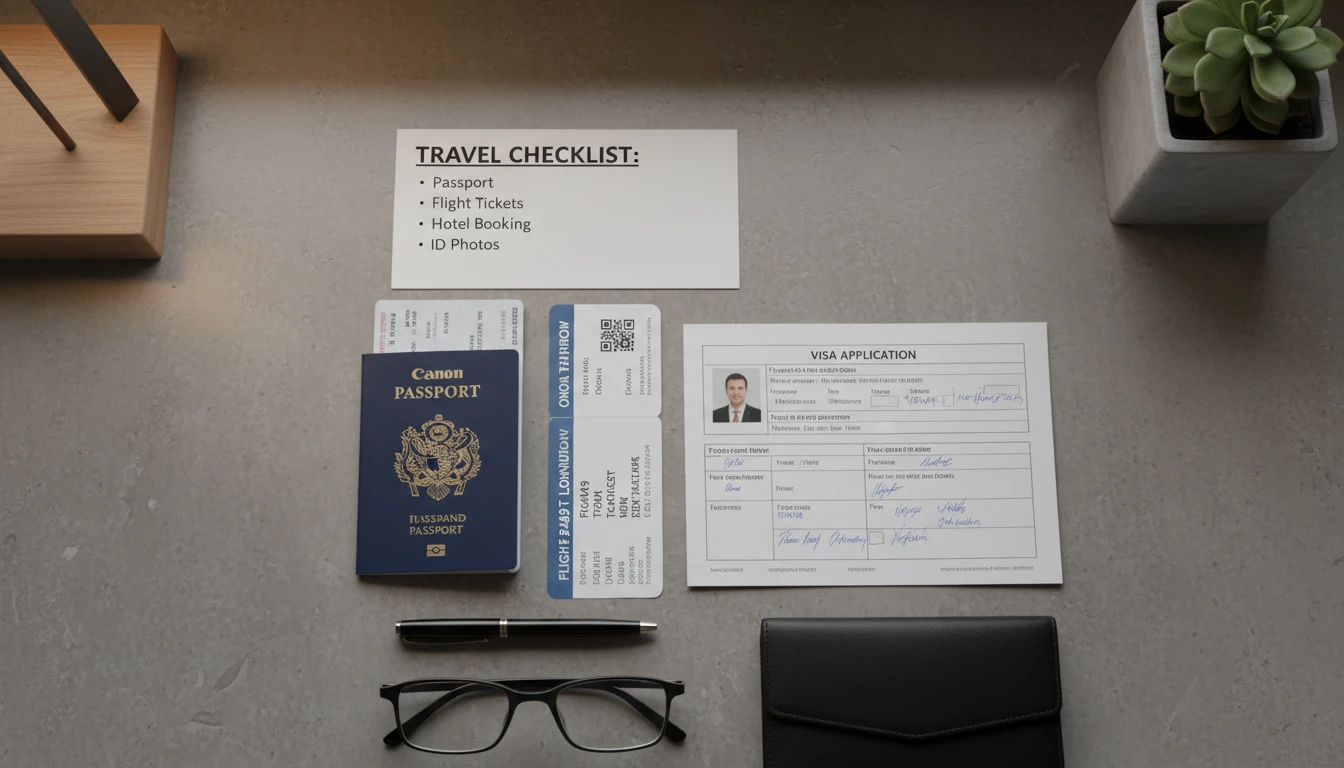
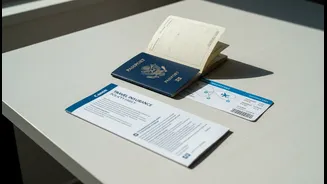
With these changes, your pre-flight preparation is more important than ever. First, ensure your passport has at least six months of validity from your date of arrival. Second, have your confirmed return flight tickets and proof of accommodation readily accessible. Third, all travellers must complete the mandatory Thailand Digital Arrival Card (TDAC) online within 72 hours before arriving. This generates a QR code that you may need to present at immigration. Finally, and crucially, carry sufficient funds as per the requirement to ensure a smooth and hassle-free entry into the Land of Smiles.