







Why the Monsoon is a Secret Spectacle
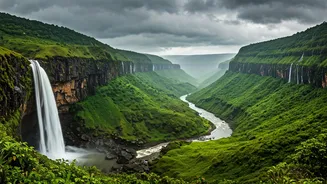
While many national parks and sanctuaries close their main tourist zones during the monsoon to let nature recover and avoid slushy, impassable roads, the forest itself enters its most dynamic phase. For wildlife, this season is a period of abundance.
The revitalised vegetation provides ample food, water sources are replenished everywhere, and the cooler temperatures encourage animals to be active for longer parts of the day. This combination creates a perfect storm for wildlife activity, often leading to incredible sightings for forest staff, researchers, and those living on the fringes of these wild spaces.
Tiger Trails in Central India
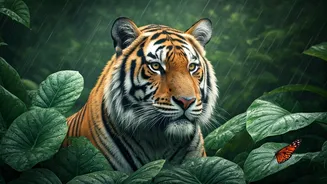
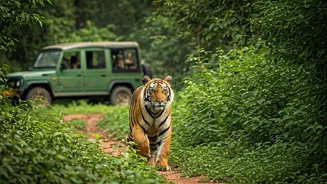
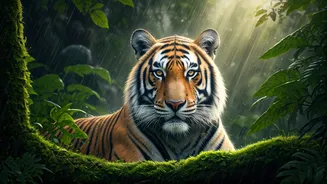
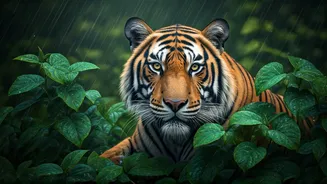
In the tiger heartland of India, parks like Tadoba, Bandhavgarh, and Ranthambore witness a distinct shift in feline behaviour. The rain washes away old scent markings, prompting dominant tigers to move extensively through their territories to re-establish boundaries. They are often seen walking along patrol roads, which are easier to traverse than the now dense and waterlogged undergrowth. With water available everywhere, the big cats are no longer restricted to a few specific waterholes, meaning they can be spotted more unpredictably across the landscape. The lush green backdrop also makes their fiery orange coats stand out in stark contrast, creating breathtaking photographic opportunities.
The Great Elephant Gathering in the South
The Western Ghats, a UNESCO World Heritage Site, transforms into a paradise for herbivores during the monsoon. In reserves like Bandipur in Karnataka and Periyar in Kerala, the rains spur the growth of fresh, nutritious grasses. This natural buffet draws large herds of elephants out into the open grasslands and backwaters. It’s a crucial time for the herds; calves born earlier in the year are strengthened by the rich diet, and social bonds are reinforced. The sight of dozens of elephants—from massive tuskers to playful juveniles—feeding peacefully against a misty, rain-washed landscape is a defining image of the southern monsoon.
Rhino Congregation in the Northeast
In Assam, the monsoon brings the mighty Brahmaputra river to life, often causing widespread flooding in Kaziranga National Park. While this sounds catastrophic, it is a natural, cyclical event that the park’s ecosystem is adapted to. This flooding has a surprising effect on wildlife viewing for forest officials and conservationists. As the low-lying grasslands are submerged, animals like the one-horned rhinoceros, wild buffalo, and swamp deer are forced to migrate to higher ground, known as 'karbis'. These elevated areas are often closer to the national highway and patrol routes, leading to a temporary concentration of wildlife that makes them more visible than at any other time of year.
A Symphony of Birds and Amphibians
The monsoon’s magic isn’t limited to megafauna. The season triggers a frenzy of activity among smaller creatures. The air fills with the chorus of frogs and toads, who emerge to breed in the newly formed pools. This, in turn, provides a feast for reptiles like snakes. For birdwatchers, the monsoon is a special time. Resident species like peacocks display their magnificent plumage in elaborate courtship dances. Many other birds, from hornbills to pittas, begin nesting, taking advantage of the abundance of insects and the dense leaf cover that provides protection from predators. It's a time when the entire forest, from the floor to the canopy, is teeming with life and sound.