




As winter approaches, Delhi is reintroducing strict measures to combat air pollution. Starting November 1, 2026, new vehicle entry rules will be enforced at the borders, affecting lakhs of commuters. Here is a clear guide to who is affected.
What Are the New Entry Rules?
The primary
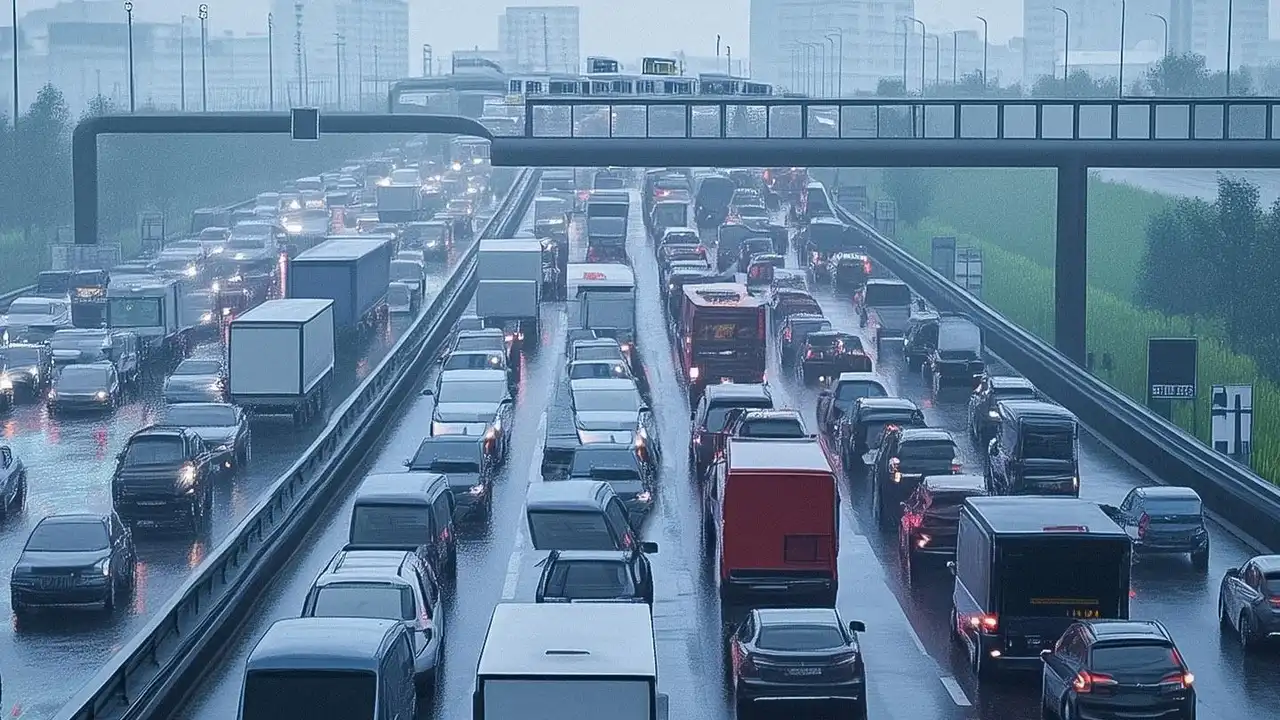
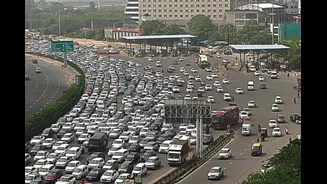
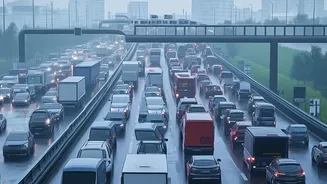
rule taking effect from November 1, 2026, is a ban on certain vehicles registered outside of Delhi from entering the city. Specifically, any petrol or diesel vehicle that does not comply with Bharat Stage VI (BS-VI) emission norms will be barred. This restriction applies to all non-BS-VI private cars, SUVs, and commercial vehicles. The measure is part of Delhi's broader Winter Action Plan to mitigate the severe air quality degradation typically seen during the colder months. This ban will remain in effect until January 31, 2027, impacting a significant number of people who commute into the capital from neighbouring NCR cities like Gurugram, Noida, Faridabad, and Ghaziabad. Estimates suggest that over a million vehicles from these areas could be affected by the ban.
Are There Any Exemptions?
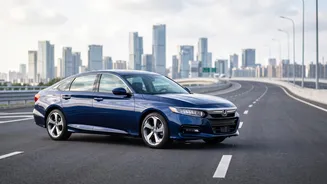
Yes, several categories of vehicles are exempt from this entry ban. The most significant exemptions are for vehicles that run on cleaner fuels. All electric vehicles (EVs) and vehicles powered by Compressed Natural Gas (CNG) can enter Delhi regardless of their registration date or location. Additionally, all vehicles, regardless of fuel type, that are already registered in Delhi are not covered by this specific entry ban, though they are subject to other pollution-related rules. Emergency service vehicles, such as ambulances and fire tenders, and those engaged in specified government work are also permitted to enter. Essentially, if your car is registered outside Delhi and runs on petrol or diesel, it must be a BS-VI compliant model to be allowed entry.
Why Is This Happening Now?
These restrictions are a critical component of Delhi's annual battle against winter air pollution. The measures are part of the Graded Response Action Plan (GRAP), a set of emergency actions implemented by the Commission for Air Quality Management (CAQM) as Delhi's Air Quality Index (AQI) worsens. Historically, the months from November to January see a sharp spike in pollution due to a combination of factors, including stubble burning in neighbouring states, lower temperatures, and reduced wind speed, which traps pollutants in the air. Vehicular emissions are a major contributor to this pollution. The government's Winter Action Plan aims to proactively reduce emissions from key sources before the air quality reaches hazardous levels. This particular ban targets older, more polluting vehicles from outside the city to reduce the overall vehicular load and emissions within the capital.
What About Delhi-Registered Cars?
While the November 1 entry ban specifically targets vehicles registered outside the capital, there are separate rules for Delhi_registered cars. As air quality deteriorates and GRAP Stage III is invoked (when AQI is 'Severe'), the plying of BS_III petrol and BS_IV diesel four_wheelers is banned within Delhi and several NCR districts. This means even if your older car is Delhi_registered, you may not be able to drive it on days with very high pollution. Furthermore, a 'No PUC, No Fuel' policy is being strictly enforced. This rule prohibits fuel stations from selling petrol, diesel, or CNG to any vehicle that does not have a valid Pollution Under Control (PUC) certificate. This applies to all vehicles, including those registered in Delhi.
How Will the Ban Be Enforced?
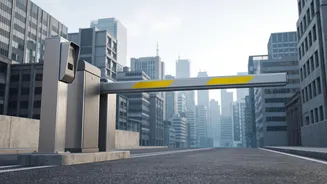
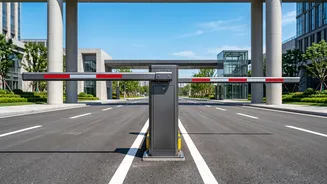
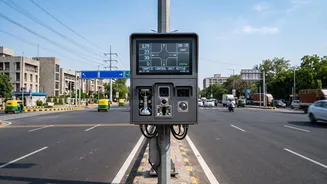
Enforcement will be carried out at all major entry points to Delhi. Authorities are deploying teams to physically check vehicles at the borders. To make the process more efficient, AI_powered Automatic Number Plate Recognition (ANPR) cameras will be used at checkpoints and on strategic routes. These cameras will scan number plates, check the vehicle's registration and emission standard against a central database, and flag non_compliant vehicles for interception. For commuters, this means there is a high likelihood of being stopped and turned back if your vehicle does not meet the required norms. Gurugram traffic police have already issued advisories for transporters and drivers to ensure their vehicles comply with the new rules before heading towards the capital.