




Embrace the Power of Dal
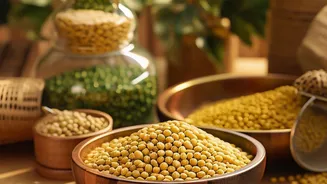
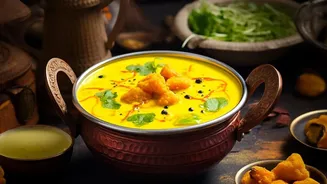
The humble dal is the cornerstone of Indian vegetarian protein and for good reason. A single cooked cup can provide a significant amount of your daily protein needs. Moong dal, for example, is not only one of the highest in protein but is also famously
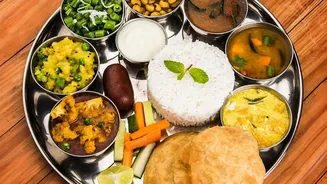
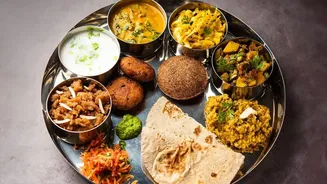
easy to digest. Toor (Arhar) dal, the heart of sambar and countless everyday meals, is another protein powerhouse. To maximize benefits, don't just stick to one kind. Rotate between moong, masoor, toor, chana, and urad dal. Try making your dal slightly thicker to concentrate the nutrients. Combining dal with rice or roti creates a more complete amino acid profile, which is the science behind why this classic combination is so nourishing.
Transform Your Breakfast
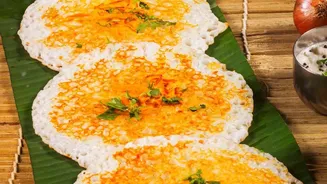
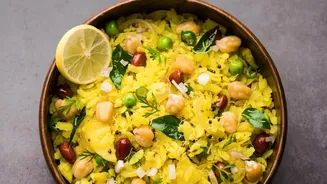
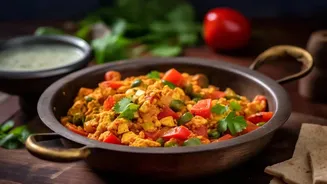
Many traditional Indian breakfasts like poha or upma can be carb-heavy and low in protein. Simple swaps can change this. Instead of a plain grain-based breakfast, opt for a moong dal or besan chilla, which can pack 14-16 grams of protein per serving. Paneer bhurji is another excellent high-protein start to the day, offering around 18-20 grams. Even just adding sprouts, peanuts, or crumbled paneer to your regular poha or upma can significantly increase its protein content. For a quick, no-cook option, a bowl of thick Greek-style yoghurt (hung curd) with nuts and seeds is a fantastic protein boost.
Leverage Paneer, Tofu, and Soya
These three are concentrated sources of vegetarian protein. Per 100 grams, dry soya chunks are the undisputed champion on paper, containing over 50 grams of protein. Paneer follows with about 18-21 grams, and firm tofu provides around 15-17 grams. While paneer is higher in fat and calories, it's great for satiety and taste. Tofu is a leaner, heart-healthy alternative that works well as a paneer substitute in curries and bhurji. Soya chunks are incredibly budget-friendly and absorb the flavours of masalas beautifully, making them perfect for pulao, curries, or a keema-style dish. Rotating all three in your weekly menu provides a great variety of texture and nutrients.
Make Smart Flour Swaps
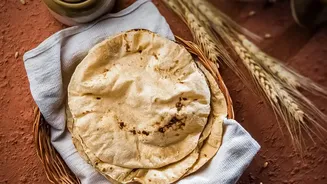
Your daily roti can become a source of extra protein with a few simple changes. Try mixing protein-rich flours like besan (gram flour) or sattu (roasted gram flour) into your regular whole wheat atta. Sattu, sometimes called the 'poor man's protein', is a nutritional powerhouse. It's made from roasted chickpeas, making it easier to digest. You can make a quick sattu sharbat, add it to smoothies, or use it to make high-protein cheelas. These flours not only add protein but also fibre and essential minerals, making your everyday meals more nutrient-dense.
Incorporate Protein-Rich Snacks
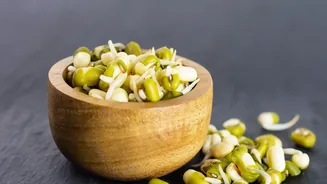
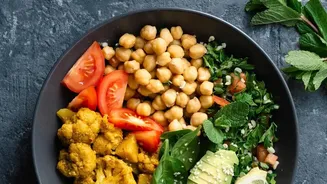
Mid-meal hunger often leads to reaching for convenient but nutritionally poor options. Plan for healthy, protein-filled snacks instead. A handful of roasted chana (chickpeas) is a classic and effective choice. A bowl of sprouted moong salad, tossed with chopped onions, tomatoes, and lemon juice, is refreshing and packed with protein. A simple bowl of curd or dahi can be a quick protein source. For non-vegetarians, a boiled egg is one of the quickest and most efficient protein snacks available, providing about 6 grams of high-quality protein.
A Note for Non-Vegetarians
For households that consume meat, increasing protein is straightforward. Eggs are an inexpensive and versatile complete protein source, perfect for breakfast as a masala omelette or bhurji. Lean cuts of chicken and fish are excellent sources of high-quality protein. Rather than reserving them for elaborate weekend meals, try incorporating smaller portions into weekday dishes. A simple chicken stir-fry with vegetables or a quick fish curry can be a healthy and protein-rich addition to your family's diet.