




The Monsoon Paradox in a Cold Desert
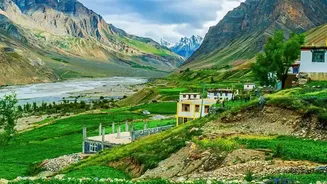
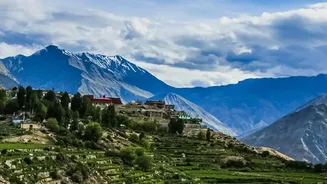
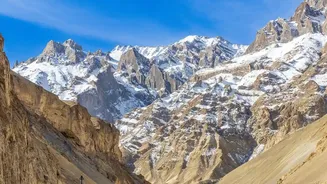
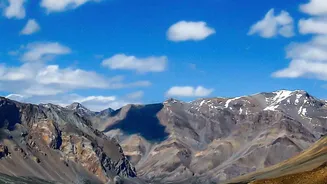
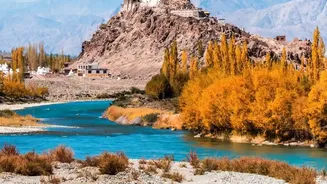
Spiti Valley is technically a cold desert located in a rain-shadow region. This means the valley itself receives very little rainfall compared to the rest of Himachal Pradesh. While Kaza and nearby villages might be sunny, the approach roads that get
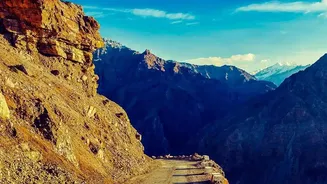
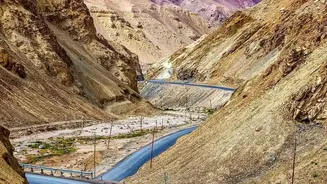
you there are a different story. The routes from both Shimla and Manali pass through areas that are fully exposed to the Indian monsoon's fury. Heavy rains in lower Himachal can trigger landslides, flash floods, and rockfalls, often leading to sudden and prolonged road closures that strand travelers. Recent weather alerts for August 2026 have already flagged heavy rainfall, advising travelers to be cautious.
Understanding the Route-Specific Risks
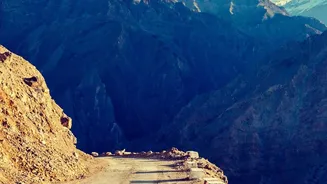
Travelers have two primary routes to Spiti: via Shimla or via Manali. During monsoon, each has its own set of challenges. The Shimla to Kaza route, while longer and generally recommended for better acclimatization, is highly susceptible to landslides, particularly in the Kinnaur region around Wangtu, Negulsari, and Malling Nala. The Manali to Kaza route is shorter but features the treacherous Gramphu to Batal stretch, a non-tarred road famous for its slush and multiple water crossings (nalas) that swell dangerously with rain and snowmelt. While both routes are currently open as of early August 2026, authorities have noted recent closures and flash floods, urging extreme caution.
Preparation Begins Before You Leave
A successful monsoon trip to Spiti is 90% preparation. Start with your vehicle; a 4x4 or a high-ground-clearance SUV is highly recommended, especially for the Manali route. Get your vehicle thoroughly serviced, paying special attention to tyres, brakes, and wipers. Mentally, prepare for the worst. Do not plan a tight, back-to-back itinerary. The most crucial rule for a monsoon trip is to build buffer days into your schedule—at least two to three extra days are advisable to account for potential blockades. This flexibility prevents the stress of missed flights or an abbreviated trip.
Packing for Delays, Not Just the Destination
Your packing list should extend beyond warm clothes and sunscreen. Think about what you would need if you were stuck in your car for 12-24 hours. This includes a robust first-aid kit, essential medications, and a surplus of non-perishable food like energy bars, nuts, and biscuits. Carry several litres of extra drinking water. A powerful torch, a fully charged power bank for your phone, and even a book are essentials for waiting out a landslide. Also, pack waterproof gear, including a quality raincoat and waterproof shoes, as you may need to navigate slushy, muddy patches on foot.
On the Road: Smart Travel Strategies
Once on your journey, adopt the local mountain driving mantra: start early, finish early. Water crossings are typically less ferocious in the morning before the sun's heat increases snowmelt. Night driving is a strict no-go; visibility is poor, and fresh rockfalls are impossible to spot. Stay updated on road conditions by checking official sources like the Himachal Pradesh Police Traffic social media pages, not just Google Maps. Heed the advice of local drivers and authorities over your own schedule. If they say a road is unsafe, believe them. And if you do get stuck, be patient. The Border Roads Organisation (BRO) works tirelessly to clear blockages, but the mountains work on their own schedule.