

Your First Step: Smart Shopping
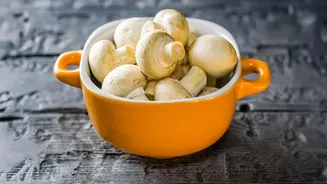
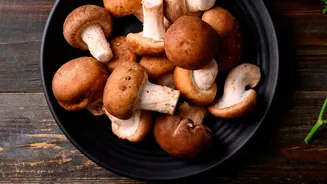
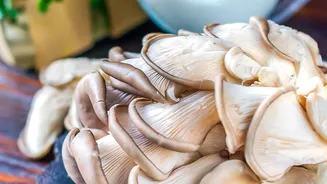
The safest way to enjoy mushrooms during any season is to buy them from a reliable source like a supermarket or a trusted local vendor. The humidity of the monsoon makes mushrooms spoil faster, so it is crucial to inspect them carefully. Look for mushrooms that
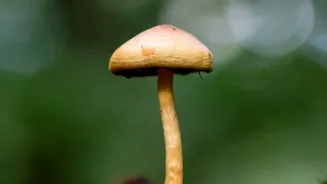
are firm, plump, and have a fresh, smooth appearance. Avoid any that look bruised, slimy, discoloured, or have dark, wet spots. If you are buying pre-packaged mushrooms, ensure the plastic wrapping has holes for air circulation, which helps prevent the growth of harmful bacteria. Never be tempted to pick wild mushrooms yourself unless you are an expert. Many poisonous varieties look deceptively similar to edible ones, and it's a risk not worth taking.
Debunking Dangerous Myths
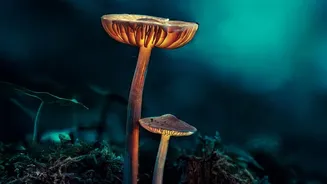
Several myths about identifying poisonous mushrooms can lead to dangerous situations. It is false that all poisonous mushrooms are brightly coloured; some of the deadliest, like the Death Cap, are a plain whitish-green. Similarly, do not trust tests like a silver spoon blackening or the idea that if an animal can eat it, it must be safe for humans. Squirrels, for example, can safely eat mushrooms that are fatal to people. Cooking, peeling, or drying does not always neutralise the toxins in a poisonous mushroom. The only certain way to avoid poisoning is to not eat a mushroom you cannot identify with 100% confidence.
The Proper Cleaning Method
Even store-bought mushrooms need a good clean to remove dirt and potential bacteria. However, you should only wash them right before you are ready to cook, as excess moisture will cause them to spoil faster. The common belief that mushrooms should never be washed with water is a myth. You can and should rinse them, but do it quickly. Place them in a colander under a gentle stream of cool water and toss them for about 20-30 seconds. Do not soak them, as they can absorb water like a sponge. After rinsing, pat them thoroughly dry with a paper towel. For mushrooms with many crevices, like morels, a soft brush can help dislodge any hidden debris.
Cooking for Maximum Safety
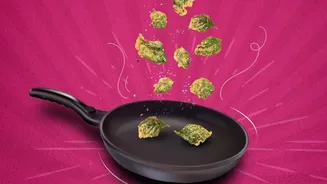
Thoroughly cooking mushrooms is a vital safety step, as it helps destroy many harmful microorganisms that can thrive in the monsoon's humid conditions. It's best to avoid eating mushrooms raw during this season. High-heat cooking methods like sautéing, roasting, or grilling are excellent choices. When sautéing, ensure your pan is hot and don't overcrowd it; this allows the mushrooms to brown properly rather than just steaming. A good sear not only enhances their flavour but also ensures they are cooked through. Before you start, remember to wash your hands, cutting boards, and utensils with warm, soapy water to prevent any cross-contamination.
Know the Warning Signs of Poisoning
In the unfortunate event of accidental consumption of a toxic mushroom, symptoms can appear anywhere from 20 minutes to 24 hours later. Common initial symptoms include severe abdominal pain, nausea, vomiting, and diarrhoea. Some toxic mushrooms can also cause confusion, visual distortions, or muscle weakness. A particularly dangerous sign is when symptoms are delayed by more than six hours, as this can be characteristic of some of the most lethal varieties that cause liver or kidney damage. If you suspect that you or someone else has eaten a poisonous mushroom, do not wait for symptoms to appear. Seek immediate medical attention.