




The End of the 'Checklist' Holiday
For decades, the mark of a successful Indian holiday was a packed itinerary. It was about conquering destinations—ticking off the Eiffel Tower, the Colosseum, and the Swiss Alps in a breathless sprint. These trips, often planned with military precision,
were designed for maximum exposure and photo opportunities. The goal was to see as much as possible, driven by a fear of missing out and a desire to prove one's worldliness. The result? Travellers often returned home more exhausted than when they left, needing a vacation from their vacation. This model, a product of a newly globalised India eager to explore the world, is now giving way to a more profound, personal approach to travel.
The Great Burnout Fuelling the Shift
So, why the change? The answer lies in our increasingly demanding daily lives. Post-pandemic work culture, with its blurred boundaries and 'always-on' digital connectivity, has led to unprecedented levels of burnout. The constant pressure to perform, both professionally and socially, has left many feeling drained. A holiday that mimics this frantic pace no longer feels like a reward; it feels like an extension of the problem. People are realising that true rejuvenation doesn't come from a packed schedule. It comes from disconnecting, slowing down, and creating space to simply 'be'. The modern Indian traveller isn't just seeking a change of scenery; they are seeking a change of pace and a genuine mental reset.
Embracing Slow Travel
This new desire has a name: 'slow travel'. It’s a philosophy that prioritises connection over speed. Instead of skimming the surface of many places, you immerse yourself in one. It’s about renting a villa in Goa for a week instead of hopping between three beaches in a day. It means spending an entire afternoon at a single café in Pondicherry, reading a book and people-watching, rather than rushing to cover five 'must-see' spots. Slow travel encourages engaging with local culture, eating regional food, and forming a real sense of place. It transforms travel from a series of transactions into a collection of meaningful experiences. It's about quality over quantity, depth over breadth.
Ideas for Your Next Restful Trip
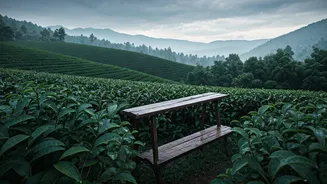
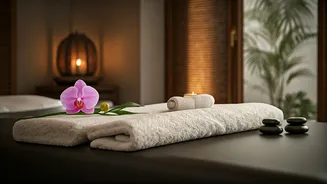
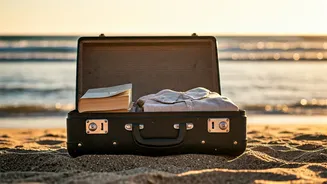
Ready to trade the rush for relaxation? The options are more varied and accessible than ever. Consider a wellness retreat in Rishikesh or the backwaters of Kerala, where days are structured around yoga, meditation, and Ayurvedic treatments. Or opt for a 'do-nothing' beach vacation in the Andamans or a quieter part of Goa, where your only agenda is the rhythm of the tides. For mountain lovers, skip the crowded hubs and find a boutique homestay in a lesser-known village in Himachal or Uttarakhand, focusing on hikes, fresh air, and stunning vistas. Even a city break can be relaxing if you focus on one neighbourhood, exploring its local markets, parks, and hidden gems at a leisurely pace.
How to Plan a Genuinely Relaxing Holiday
Planning a restful trip requires a mindset shift. First, resist the urge to overschedule. Leave entire days free for spontaneity. Second, choose one primary location and stay there longer. This reduces travel stress and allows for deeper immersion. Third, set digital boundaries. Inform colleagues you will be offline and limit social media use to be present in your surroundings. Finally, focus on experiences over sights. A cooking class, a long walk without a destination, or a conversation with a local artisan can be more memorable than a crowded tourist attraction. The key is to give yourself permission to do less. The world can wait; your peace of mind cannot.