








Why This Route Tests Your Suspension
The Manali-Leh highway is not a typical road trip. Your vehicle's suspension—the system of springs, shock absorbers, and linkages—takes a relentless pounding. The challenges are unique: high-altitude passes like Baralacha La often feature stretches of deep,
icy slush even in summer, while numerous 'nalas' (water crossings) can have fast-flowing, rock-strewn beds that cause sudden, harsh impacts. Add to this the Gata Loops with their 21 hairpin bends and long sections of broken or non-existent tarmac, and you have a recipe for suspension fatigue and failure. A standard suspension is designed for predictable surfaces, not the constant vibration and sharp hits that define this route. Without proper preparation, you risk not just a bumpy ride but component damage that can leave you stranded.
The Essential Pre-Trip Inspection
Before you even think about loading up, a thorough suspension check is non-negotiable. This goes beyond a standard service. Get your car on a lift and visually inspect every component. Look for any fluid leaks from the shock absorbers or struts, a clear sign they are failing. Check all rubber bushings for cracks or perishing—these small parts are crucial for absorbing vibrations. Examine the coil springs for any cracks and leaf springs (in vehicles like the Scorpio or Hilux) for any signs of sagging or breakage. Finally, check for play in the ball joints and tie rod ends; excessive movement here can affect steering and stability, which is the last thing you want on a narrow mountain pass. Addressing any wear and tear in the city is infinitely easier and cheaper than dealing with it in the middle of nowhere.
Upgrades: Necessity or Overkill?
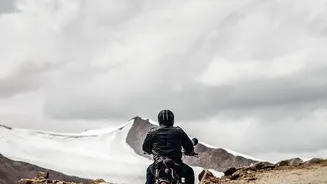
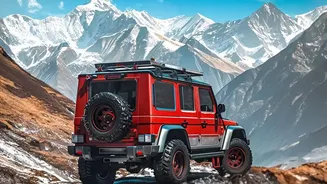
For many modern SUVs with good ground clearance, the stock suspension might be adequate if it's in perfect condition, especially if you plan to travel in late season when roads are best. However, if you plan to carry a heavy load, or if your vehicle is a sedan or hatchback, an upgrade is highly recommended. Heavy-duty shock absorbers provide better control and are less prone to overheating and fading on long, rough sections. A suspension lift kit can provide valuable extra ground clearance, which is critical for clearing rocky sections and deeper water crossings without damaging the underbelly. For serious adventurers, custom-tuned suspension systems allow for adjustments based on load and terrain, providing optimal performance. Vehicles like the Mahindra Thar, Toyota Fortuner, and Royal Enfield Himalayan are popular on this route, and numerous aftermarket options exist to bolster their off-road capabilities.
Tyres: Your First Line of Defence
Your tyres are the first point of contact with the road and an integral part of your suspension system. Standard highway terrain (HT) tyres are a significant risk. All-Terrain (AT) tyres with deep treads and robust sidewalls are essential for gaining traction in slush and resisting punctures on sharp rocks. Ensure your tyres have at least 70-80% of their tread life remaining. Tyre pressure is also a key tool. While you’ll want normal pressure for the tarmac sections, slightly reducing the pressure can increase the tyre's footprint and provide better grip on loose gravel or slushy patches, and it also helps absorb some of the smaller bumps, easing the load on your shocks and springs. Carry a reliable tyre inflator and a puncture repair kit, and know how to use them.
Driving Techniques to Save Your Suspension
How you drive is as important as how you prepare your vehicle. On the Manali-Leh highway, speed is your enemy. Driving slowly and cautiously over obstacles minimizes the stress on your suspension components. When approaching water crossings, assess the depth and route before entering, and proceed slowly and steadily in a low gear. Avoid the middle of the day for water crossings if possible, as glacial melt increases water levels dramatically. On slushy patches, maintain momentum without spinning your wheels. If your car starts pulling to one side or you hear knocking noises after a hard hit, stop and inspect for damage immediately. These simple techniques can be the difference between a successful adventure and a costly repair.