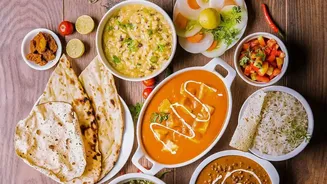




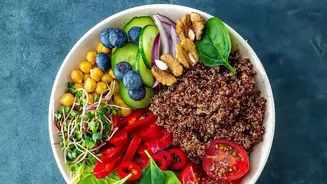
Embrace the Power of Dals and Legumes
The foundation of a high-protein Indian diet has always been our vast array of dals and legumes. A typical Indian meal is often carb-heavy, with protein playing a small role. The simple fix is to change the proportions. Instead of a small katori of watery
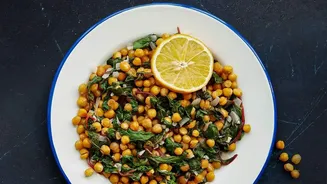
dal, make it a substantial part of your plate. A single cup of cooked dal can offer between 12 to 18 grams of protein. Varieties like moong, masoor, chana, urad, and rajma are excellent choices. For instance, 100 grams of uncooked urad dal contains about 25-26 grams of protein, while moong dal has around 24 grams. The key is to make dal thicker and more concentrated, using less water and more lentils to significantly boost its protein content per serving. Aim to include at least one to two cups of cooked dals or legumes like chana and rajma in your daily meals to build a strong protein base.
Make Dairy a Daily Anchor
Dairy products are another pillar of the Indian vegetarian diet. Paneer, or cottage cheese, is a protein powerhouse, with about 18 grams of protein per 100g serving. It’s incredibly versatile—you can add crumbled paneer bhurji to your breakfast, include cubes in your sabzi, or have grilled paneer as a main dish for dinner. Curd (dahi) is another accessible option. A 200g bowl of curd can add a significant amount of protein to your meal. To elevate this further, switch to hung curd or Greek-style yogurt, which can contain almost double the protein of regular curd. Even a simple glass of milk provides around 8 grams of protein. Using dairy as a consistent 'protein anchor' in your meals ensures you’re getting high-quality protein throughout the day.
Rediscover Indigenous Grains and Millets
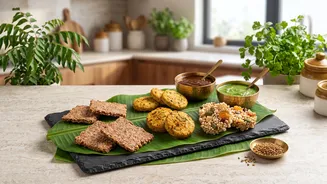
While rice and wheat are staples, India's indigenous grains and millets offer a fantastic protein boost. Millets like bajra (pearl millet), jowar (sorghum), and ragi (finger millet) are not only rich in protein but also packed with fibre and essential minerals. Bajra contains around 11-12g of protein per 100g and is an excellent winter grain. Amaranth (rajgira) and buckwheat (kuttu) are other high-protein options that have been part of our food culture for centuries. You can easily incorporate these by swapping regular rotis for bajra or jowar rotis, or by making upma and dosa with millet flour. Combining millets with pulses, such as in a ragi dosa served with sambar, creates a more complete amino acid profile, enhancing the overall protein quality of your meal.
Leverage Nuts, Seeds, and Soya
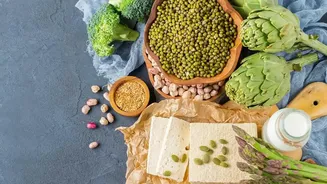
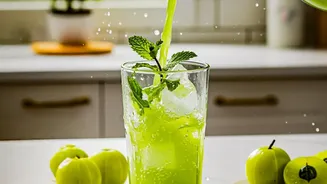
Often overlooked, nuts and seeds are a simple way to add a protein punch to any dish. Peanuts are particularly protein-dense, with about 26g per 100g. Sprinkling roasted peanuts on poha or adding a handful of almonds to your morning porridge can make a real difference. Another powerful and affordable ingredient is sattu, or roasted gram flour. Derived from chana, sattu is an excellent source of plant-based protein and can be used to make parathas, cooling drinks, or even added to kebabs. Soya chunks are one of the most concentrated sources of plant protein available, with around 52g of protein per 100g (dry). Adding them to pulao or making a soya keema sabzi can dramatically increase the protein content of a meal.
Structuring Your High-Protein Day
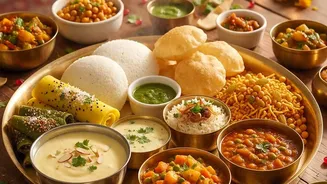
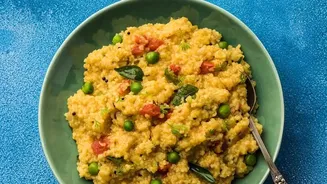
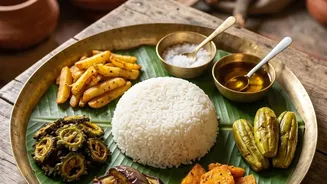
The secret to a successful high-protein diet is distribution. Instead of loading up on protein in one meal, aim for a steady intake throughout the day. A practical goal is to include a clear protein source in every meal. Breakfast: Ditch carb-only options. Instead, opt for moong dal chilla with a paneer filling, besan cheela, or sattu parathas. These options can provide 15-25 grams of protein to start your day right. Lunch: Build your thali around a large bowl of thick dal or rajma, a side of sabzi with added paneer or soya chunks, a serving of curd, and a smaller portion of roti or millet-based flatbread. Dinner: Keep it light yet protein-rich with options like palak paneer, dal with vegetables, or a mixed sprout salad. Even a simple khichdi can become a high-protein meal when made with more dal and less rice and served with a bowl of curd.