




The Urban Heat Sponge Effect
Throughout the day, the materials that build our cities—concrete, asphalt, and brick—are constantly absorbing solar radiation. Unlike natural landscapes with vegetation and soil that provide cooling through shade and moisture release, these dense, often
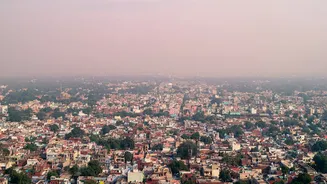
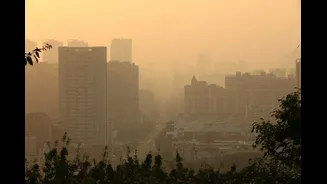
dark, man-made surfaces have a high thermal mass. This means they are incredibly efficient at soaking up and storing vast amounts of heat. Think of a sprawling city as a giant heat sponge, getting more saturated with every hour of sunshine. As a result, urban areas can become significantly warmer than their surrounding rural counterparts, a phenomenon known as the Urban Heat Island effect.
Why Nights Fail to Bring Relief
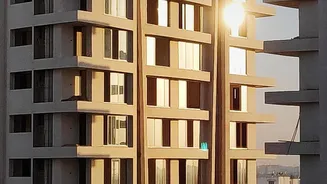
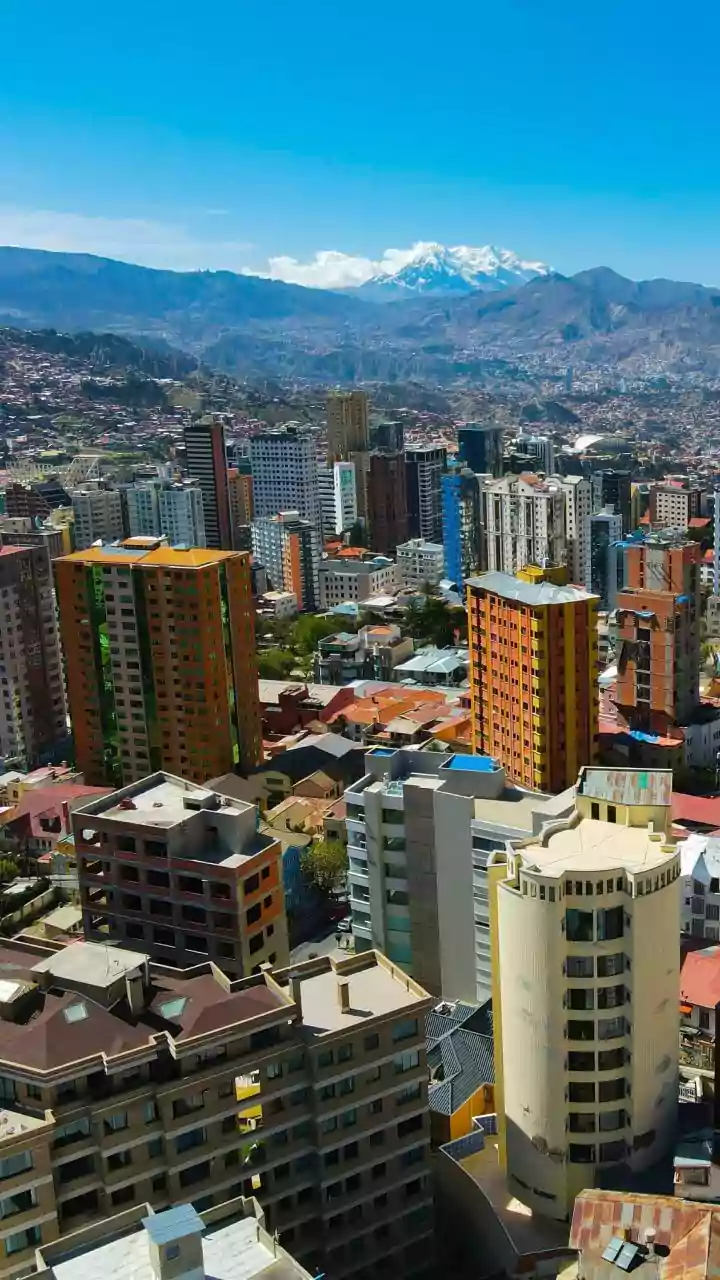
The real problem begins after the sun goes down. Instead of cooling off quickly, the heat-saturated concrete and asphalt begin to slowly release their stored thermal energy back into the environment. This process of radiating heat continues throughout the night, preventing the ambient temperature from dropping as it naturally would. In densely packed neighbourhoods with tall buildings close together, this effect is magnified. The structures block wind that would otherwise help dissipate the heat, trapping the warm air at street level and inside our homes. Recent studies in Indian cities show that indoor nighttime temperatures can remain stubbornly high, often between 31°C and 34°C, offering no respite from the day's heat.
The Toll on Healthy Sleep
Our bodies are hardwired to sleep better in cooler conditions. For natural, restorative sleep to begin, your core body temperature needs to drop by about one degree. When your bedroom is too warm, your body struggles to shed this heat. Your heart rate increases as it works overtime to pump blood to the skin's surface to cool down. This physiological stress leads to tossing and turning, frequent awakenings, and prevents you from entering the deeper, more restorative stages of sleep like REM sleep. The result is waking up feeling tired, foggy, and with potential morning headaches, which over time can contribute to long-term health issues like cardiovascular strain and weakened immune function.
A Growing Public Health Concern
This cycle of heat and sleeplessness is more than just an inconvenience; it's a growing public health crisis recognised by organisations like the World Health Organization. The issue is particularly acute for vulnerable populations, including the elderly, children, and those with pre-existing conditions such as asthma or heart disease. As Indian cities continue to expand rapidly, with projections showing a massive increase in urban infrastructure, the problem is set to worsen. Nights are reportedly warming faster than days in many parts of India, turning our homes into structural heat traps and putting millions at risk of sleep deprivation and heat-related illnesses.
Pathways to a Cooler Future
Tackling the urban heat island effect requires a multi-pronged approach. At a city planning level, solutions include increasing green cover by planting more trees and creating parks, which provide shade and cooling through evapotranspiration. Another effective strategy is the use of 'cool' materials, such as reflective paints for roofs and lighter-coloured pavements that absorb less sunlight. Some Indian cities are already pioneering Heat Action Plans that integrate these nature-based solutions. For individuals, strategies like ensuring good ventilation, using breathable bedding, and proper hydration can offer some relief. However, systemic change in how we design our cities is critical for a sustainable, long-term solution.