





Green is the New Gold Standard
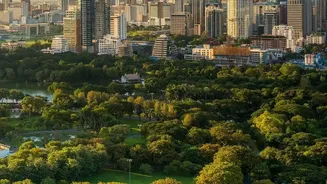
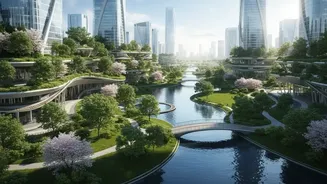
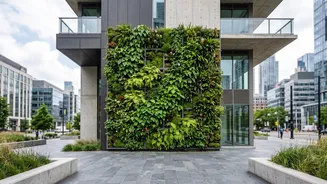
One of the most consistent findings in urban health research is the profound impact of green spaces. It turns out that access to parks, tree-lined streets, and even small community gardens can do wonders for our minds and bodies. Studies show that spending
time in nature can lower stress levels, reduce the risk of depression and anxiety, and even boost our immune function. A recent comprehensive review highlighted that green spaces are associated with reduced mortality and improved cardiovascular markers like heart rate and blood pressure. The benefits aren't just from active exercise; even passive exposure, like having a view of trees from a window, has been linked to better cognitive function and attention restoration. For city dwellers, this means that investing in green infrastructure is an investment in public health, offering a cost-effective way to combat the mental fatigue of urban life.
The Hidden Dangers in the Air
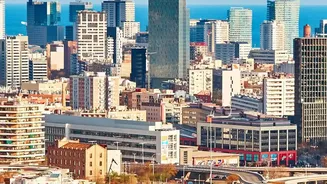
We've long known that urban air pollution is bad for our lungs, but emerging science reveals a more insidious threat to our brains. Researchers are drawing strong links between long-term exposure to fine particulate matter (like PM2.5 from vehicle exhaust and industrial emissions) and cognitive decline. A 2026 study found that people living in areas with higher air pollution scored worse on tests of memory and mental speed, even in places with relatively low pollution levels. Other recent meta-analyses have found that for every small increase in PM2.5 concentration, cognitive function decreases measurably. This has profound implications, with some experts now including air pollution as a modifiable risk factor for dementia. These findings suggest that policies aimed at cleaning our city air aren't just about preventing respiratory illness; they are crucial for protecting our collective brain health.
Designing Our Cities for Movement
The battle against sedentary lifestyles can be won or lost at the blueprint stage. Scientists and urban planners increasingly agree that the 'built environment' is a powerful tool for promoting physical health. Cities designed with walkability in mind—featuring mixed-use developments, interconnected streets, and safe, accessible footpaths—encourage residents to be more active in their daily routines. This isn't about needing a gym membership; it's about making walking or cycling to the shops, school, or a local cafe the easy and attractive choice. Research shows this 'active transport' directly combats chronic diseases like obesity, diabetes, and heart disease. It’s a simple but powerful equation: a more walkable city is a healthier city, reducing healthcare burdens and improving overall quality of life.
The Lifeline of Casual Connection
In the hustle and bustle of a large city, it’s easy to feel surrounded by people yet profoundly lonely. Scientists are now recognizing this 'loneliness epidemic' as a serious public health crisis, with research suggesting a lack of social connection can increase the risk of heart disease and dementia. The antidote, they find, isn't just about our close friends and family. It’s also about the 'micro-connections' we make in our communities. Urban design that fosters these casual interactions—think public squares, community centers, libraries, and lively local markets—is crucial for building social cohesion. These 'third places' create opportunities for spontaneous encounters that build a sense of belonging and trust among neighbors. Frequent use of these public spaces is strongly correlated with better mental health, proving that the infrastructure for social connection is just as vital as roads and bridges.