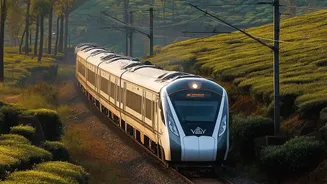

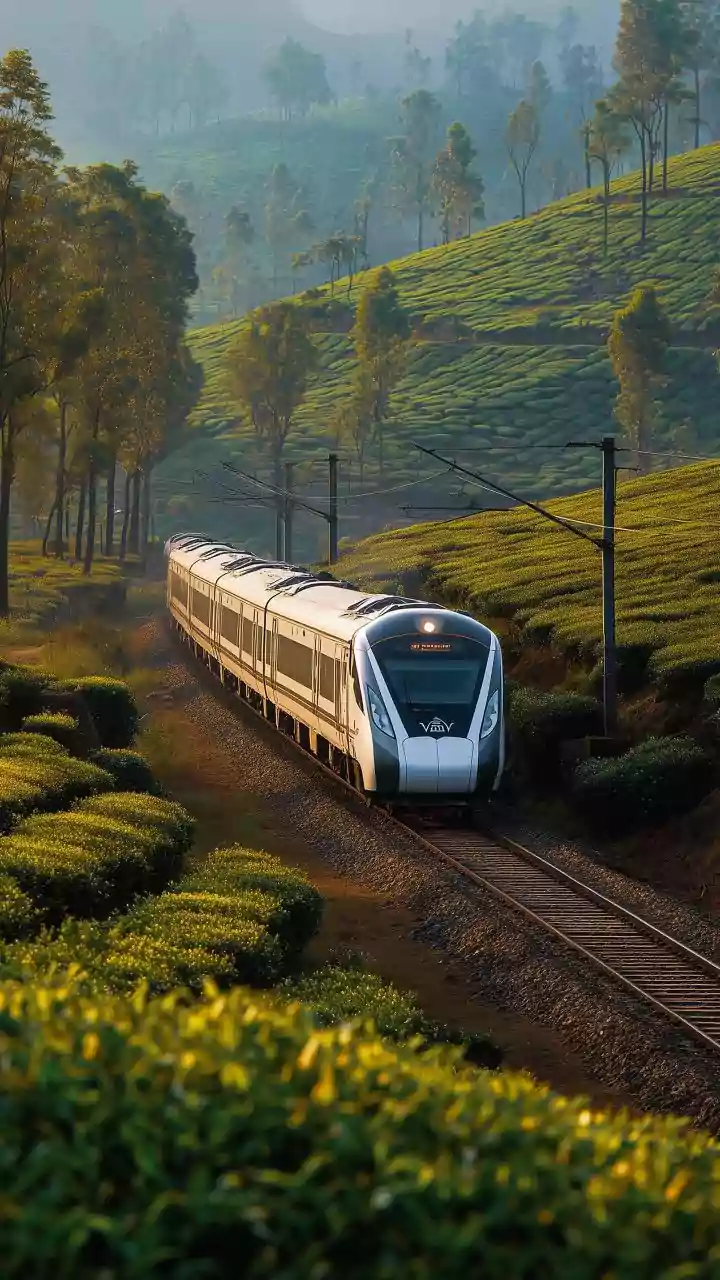

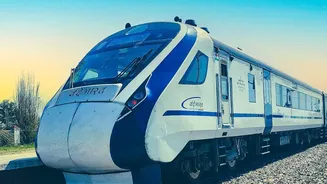
Indian Railways' premium Vande Bharat trains are known for speed and comfort, but passengers on three trial sleeper routes are now finding a shorter menu. This pilot project by IRCTC aims for quality over quantity, sparking a debate among travellers.
Less is More? The New 'Compact' Menu
Since November 1, 2026, passengers on three specific Vande Bharat sleeper routes have been part of a trial involving a significantly trimmed food menu. The affected routes are the New Delhi-Varanasi, Mumbai-Bengaluru, and Howrah-Kamakhya services. The Indian Railway Catering and Tourism Corporation (IRCTC) has initiated this 'compact menu' approach, which is similar to the meal service on airlines, to address persistent passenger complaints about food quality and hygiene. The pilot project essentially reduces the number of items on a meal tray from a spread of eight to ten dishes down to about four.
What's Off the Plate?
The changes affect breakfast, lunch, and dinner. For breakfast, items like soup, egg omelettes, sandwiches, buttermilk, and chocolates have been removed. Passengers are now offered a choice between three options, such as idli-vada, poha, or upma. For lunch and dinner, the core meal remains—chapati, rice, and dal—but many of the accompaniments are gone. Items like a dry vegetable dish, curd, salad, pickles, and sweets are no longer part of the standard meal tray. This has also led to a reduction in the total weight of a meal, dropping from about 700-750 grams to 450-500 grams. However, IRCTC officials state that the portion sizes of the remaining dishes have not been reduced.
The Official Reason: A Focus on Quality Control
The primary driver behind this decision is a push to improve food quality, freshness, and consistency. In recent years, railway authorities have noted an increase in passenger complaints regarding cold food, stale meals, and even insects found in dishes. Officials believe that managing a smaller, more focused menu makes it easier to monitor hygiene and ensure each dish is prepared to a higher standard. To achieve this, IRCTC has also shifted away from traditional vendors and partnered with large-scale cloud kitchens and established hospitality groups like TajSATS, Mayfair Group, and Sarovar Portico Group for catering on these routes. Early reports from IRCTC's Western Zone suggest a 10% drop in food-related complaints since the changes were implemented.
Passenger Perspectives and Future Plans
The reaction from travellers is still developing. For a premium service like Vande Bharat, where catering charges are often included in the ticket price, any reduction in service is bound to be noticed. Some passengers are concerned about receiving less variety for the price they pay, while the promise of better quality is a welcome trade-off for others. The current setup is a 'proof of concept', and IRCTC is closely monitoring passenger feedback before making a final decision. If the response is positive and quality metrics improve, this compact menu model could be extended to other long-distance and premium trains across the Indian Railways network. For now, the future of train catering hinges on whether passengers feel the new, smaller menu delivers a truly premium dining experience.