




Moving Beyond Lone Wolves
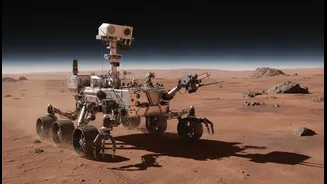
For decades, Mars exploration has been the domain of solitary rovers. From Sojourner to Spirit, Opportunity, Curiosity, and Perseverance, these lone robots have acted as our remote geologists, painstakingly following commands sent from Earth. While incredibly
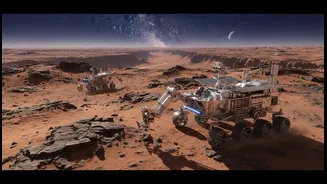
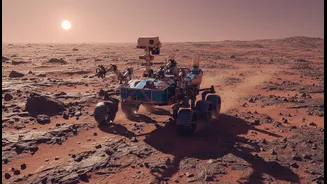
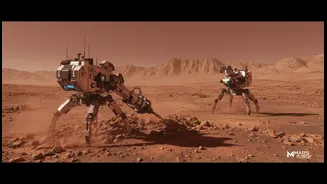
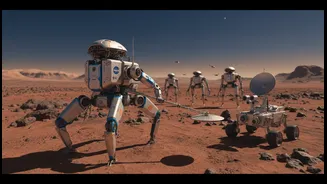
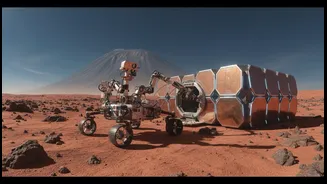
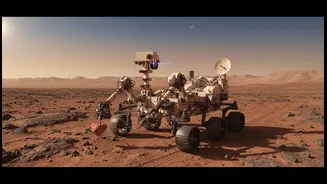
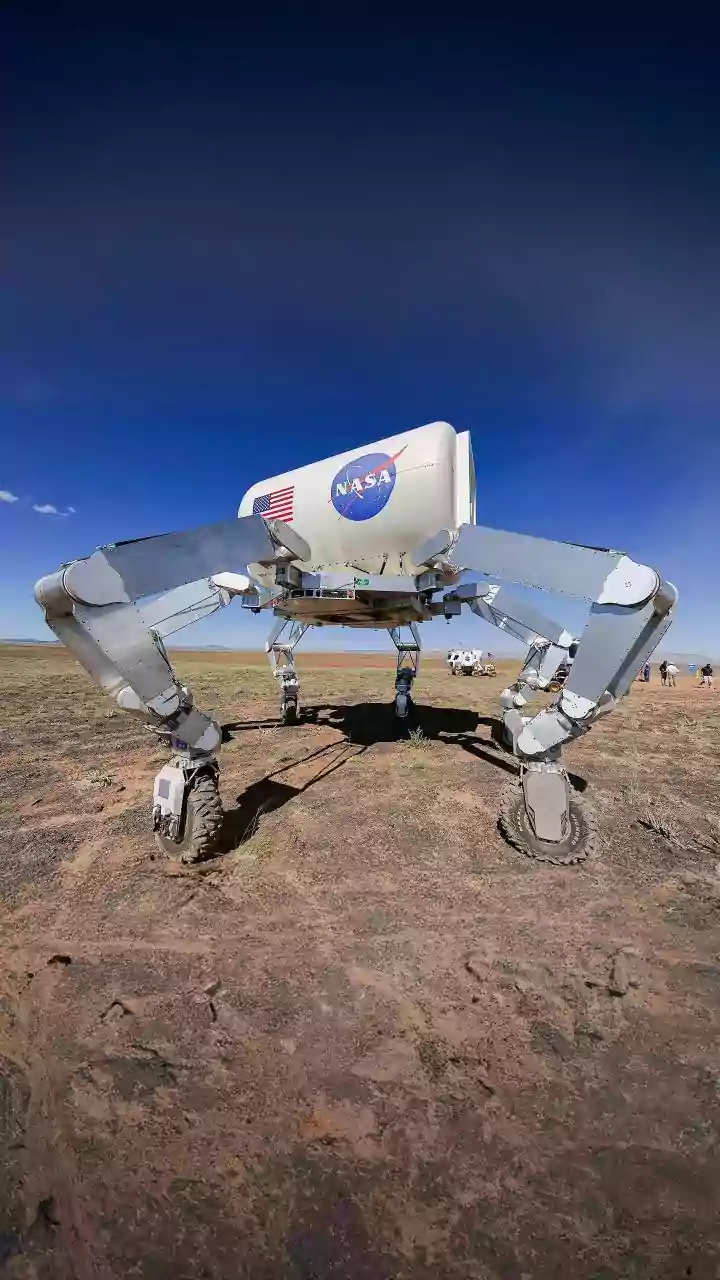
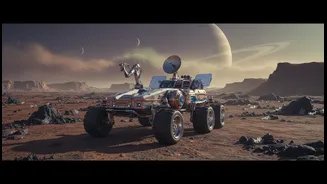
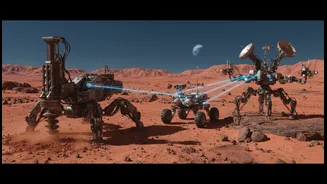
successful, this model is slow and limited. A communication delay of up to 22 minutes each way means every action requires immense patience and planning from human operators millions of miles away. To accelerate discovery and prepare for human arrival, NASA is shifting its strategy from single explorers to cooperative teams. The future lies not with one highly advanced robot, but with swarms of smaller, smarter ones that can work together.
The Power of Thinking for Themselves
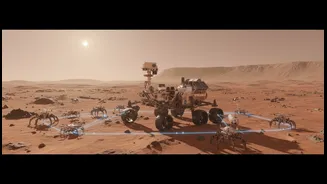
The single most important upgrade for these new robots is autonomy. True autonomy means a robot or a group of them can receive a high-level goal—like "explore this region for signs of water ice"—and figure out how to achieve it on their own. This is the central idea behind NASA's CADRE (Cooperative Autonomous Distributed Robotic Exploration) mission. Scheduled to land on the Moon in 2026, CADRE will deploy three shoebox-sized rovers that will navigate, elect a leader, assign tasks, and create a 3D map of the subsurface without step-by-step instructions from Earth. They will communicate with each other using a mesh network, sharing data to build a picture far more complex than a single rover could manage. This demonstration on the Moon is a crucial testbed for the technologies that will be deployed on Mars.
Setting the Table for Astronauts
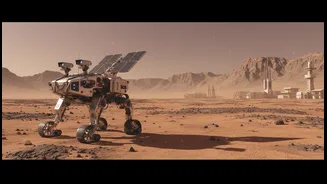
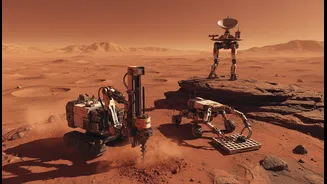
Before the first human crew ever sets foot on Mars, a tremendous amount of prep work needs to be done. We can't send people on a multi-year journey without knowing exactly where the safest landing sites are, where they can find vital resources like water, and what hazards they might face. This is where autonomous robot teams become indispensable. Future rovers and helicopters, building on the success of Ingenuity, will serve as robotic vanguards. They can spread out to map vast areas of terrain, use ground-penetrating radar to locate buried water ice, and analyze the soil for useful materials—a concept known as In-Situ Resource Utilization (ISRU). This work will reduce the risks for human explorers and lessen the amount of supplies they need to carry from Earth, a critical factor for long-duration missions.
A Dress Rehearsal for a Red Planet Return
The most ambitious robotic mission on the horizon is the Mars Sample Return (MSR) campaign, a joint effort between NASA and the European Space Agency (ESA). This complex interplanetary relay race is the ultimate test of multi-robot cooperation. It involves the Perseverance rover collecting and caching rock samples, a separate lander deploying a fetch rover to retrieve those samples, and a sophisticated robotic arm loading them into a small rocket—the Mars Ascent Vehicle—to be launched into orbit. From there, another spacecraft will capture the sample container and fly it back to Earth. Every step of this process requires unprecedented levels of robotic precision and autonomy. The lessons learned from MSR will directly inform how we design and operate the machines that will build and support the first human outpost on Mars.