


An Emerald Transformation
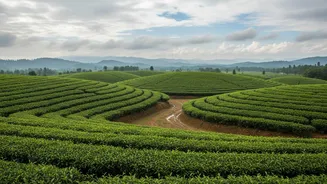
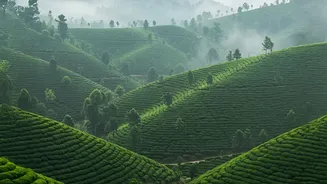
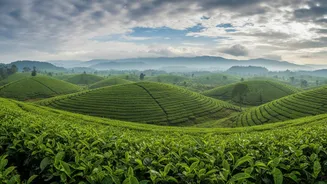
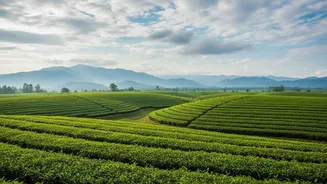
From June through September, the monsoon washes over Assam, breathing new life into the landscape. The dust of the dry season is replaced by a vibrant, almost impossibly lush green. The state’s famed tea gardens, sprawling across districts like Jorhat
and Dibrugarh, become a breathtaking patchwork of verdant fields, often shrouded in a delicate morning mist. This isn't just a visual change; it's a multi-sensory experience. The air feels cleaner, the sounds of nature seem amplified, and the world slows to the gentle, persistent pace of the rain. For photographers and nature lovers, this season offers a canvas of unparalleled beauty, with dramatic skies and intensely saturated colours.
The Brahmaputra's Mighty Display
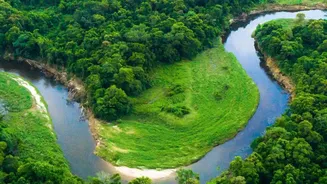
The lifeblood of Assam, the mighty Brahmaputra River, takes on a formidable and awe-inspiring character during the monsoon. Swollen with rain, it showcases its raw power. While this can lead to challenges, it’s also a spectacle of nature's force. In cities like Guwahati, a walk along the riverfront offers a dramatic view of the powerful currents under moody, overcast skies. A boat ride to Umananda Temple, perched on an island in the river, becomes a more mystical journey as you navigate the misty, rain-drenched waters. The season reveals a different, more powerful dimension of the river that commands respect and wonder.
National Parks: A Different Perspective
It’s important to note that major wildlife sanctuaries like Kaziranga National Park are largely closed to jeep and elephant safaris during the heavy monsoon months due to flooding and for the safety of both visitors and animals. However, this doesn't mean the wildlife experience ends. The surrounding regions become incredibly lush, and some parks like Dibru-Saikhowa, a biosphere reserve, remain accessible for boat safaris. This offers a unique chance to see a thriving wetland ecosystem, which becomes a haven for resident and migratory birds. It's a trade-off: you miss the traditional safari but gain a serene, water-based perspective on Assam’s rich biodiversity.
Majuli and the Hill Stations
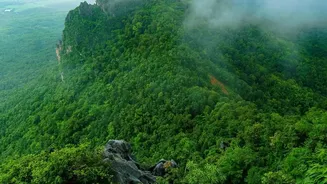
Majuli, the world's largest river island, undergoes a profound transformation. While the rains can make travel unpredictable, they also cover the island in a 'beautiful green cloak'. Life slows down, and experiencing the unique culture of the Vaishnavite Satras (monasteries) against the backdrop of constant rain is a deeply atmospheric experience. For those seeking elevation, Haflong, Assam's only true hill station, becomes a misty paradise. The hills are draped in clouds, waterfalls are in their full, gushing glory, and the entire region feels like a tranquil retreat from the world.
The Comforts of the Monsoon
The magic of an Assamese monsoon isn't just outdoors. It’s also found in the simple, cozy pleasures that the season encourages. It’s the joy of sitting on a veranda, watching the downpour while sipping a cup of robust, locally grown Assam tea. It’s indulging in hot, crispy pakoras from a local stall as the rain cools the air. The season is also tied to cultural events like the Ambubachi Mela at Guwahati's Kamakhya Temple, where faith and devotion persist powerfully amidst the downpours, adding another layer to the region’s spiritual energy. This blend of outdoor grandeur and indoor comfort makes the monsoon a truly holistic experience.