





The Shelf Life of a Fact
At its core, a record is a snapshot. It’s the highest, fastest, hottest, or biggest measurement of something at a specific moment. But moments pass, and the world changes. What was a record yesterday might be history today. This is why the date of measurement is arguably
as important as the measurement itself. Without it, we lose context. Is a claim about the “world’s most powerful supercomputer” from a 2020 article still true today? Almost certainly not. Information has a shelf life, and the date is its expiration stamp. In fields from finance to healthcare, accurate time-stamping is not just good practice; it's often a legal requirement to ensure a clear and truthful sequence of events. Believing outdated information can lead to poor decisions, whether you're a business relying on old market data or a citizen trying to understand current events.
Technology’s Relentless Pace
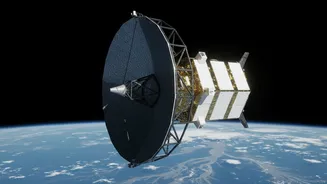
Nowhere is the pace of change more obvious than in technology. The title of “world’s fastest supercomputer” is a perfect example of a record designed to be broken. These machines, which can perform quintillions of calculations per second, are crucial for everything from medical research to climate modeling. For a long time, systems in the United States held the top spot. However, the rankings, which are updated twice a year, are in constant flux. In June 2026, a Chinese system named LineShine took the crown, displacing the previous American leader, El Capitan. LineShine achieved a performance of 2.198 exaflops, making it over 20% faster than its predecessor. Anyone citing the record from just a few months prior would be presenting outdated information, demonstrating how quickly the technological frontier advances.
Our Planet's Shifting Benchmarks
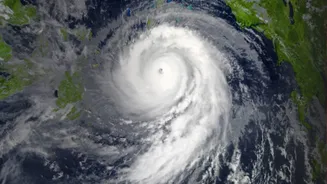
The importance of dating records takes on a more serious tone when we look at our planet. Climate scientists rely on precise, long-term data to track changes in the global environment. The phrase “hottest year on record” has become a recurring headline, with the record being broken repeatedly. According to NASA, 2023, 2024, and 2025 were the three warmest years in its 146-year record. The World Meteorological Organization confirmed that the last eleven years (2015-2025) have been the eleven warmest on record. Each new record builds upon the last, painting a picture of a long-term warming trend. Without the dates, these individual data points would be meaningless. Seeing the progression—from one record-hot year to the next—is what provides the urgent context and allows scientists and policymakers to understand the trajectory of climate change.
The Constant Push in Human Achievement
Sports provide a thrilling and easily understood arena for record-breaking. The men’s 100-metre dash, for example, is a showcase of humanity pushing its physical limits. For decades, athletes have been shaving fractions of a second off the world record. A time that was considered unbeatable in the 1980s would barely qualify for a final today. Each new record holder stands on the shoulders of those who came before, with advancements in training, nutrition, and technology all playing a part. When we see a record, knowing the date tells us where it fits in this long history of human endeavor. It separates contemporary achievements from historical benchmarks and allows for a richer appreciation of how far we have come.
How to Be a Smarter Information Consumer
In a world saturated with information, being a savvy reader is a critical skill. The first step is to actively look for dates. When you encounter a statistic, a record, or a major claim, ask yourself: when was this measured? If the date is missing, treat the information with a healthy dose of skepticism. This is especially true for content shared on social media, where context is often stripped away. A quick search can often yield the most current information. Look for phrases like “as of July 2026” or check the publication date of the article or report. Regularly updated sources like government agencies, scientific organizations, and official record-keepers like Guinness World Records are your best bet for timely data. By making this a habit, you can protect yourself from being misled by information that is simply past its prime.