


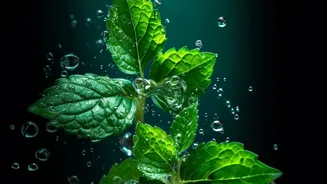

Choose Your Perfect Mint
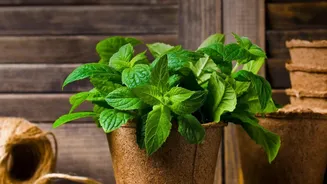
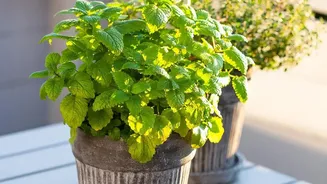
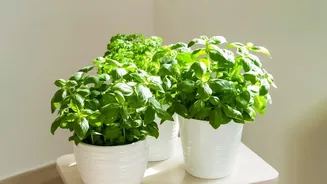
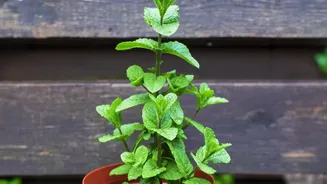
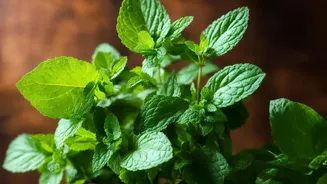
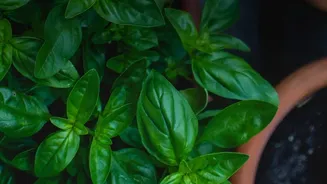
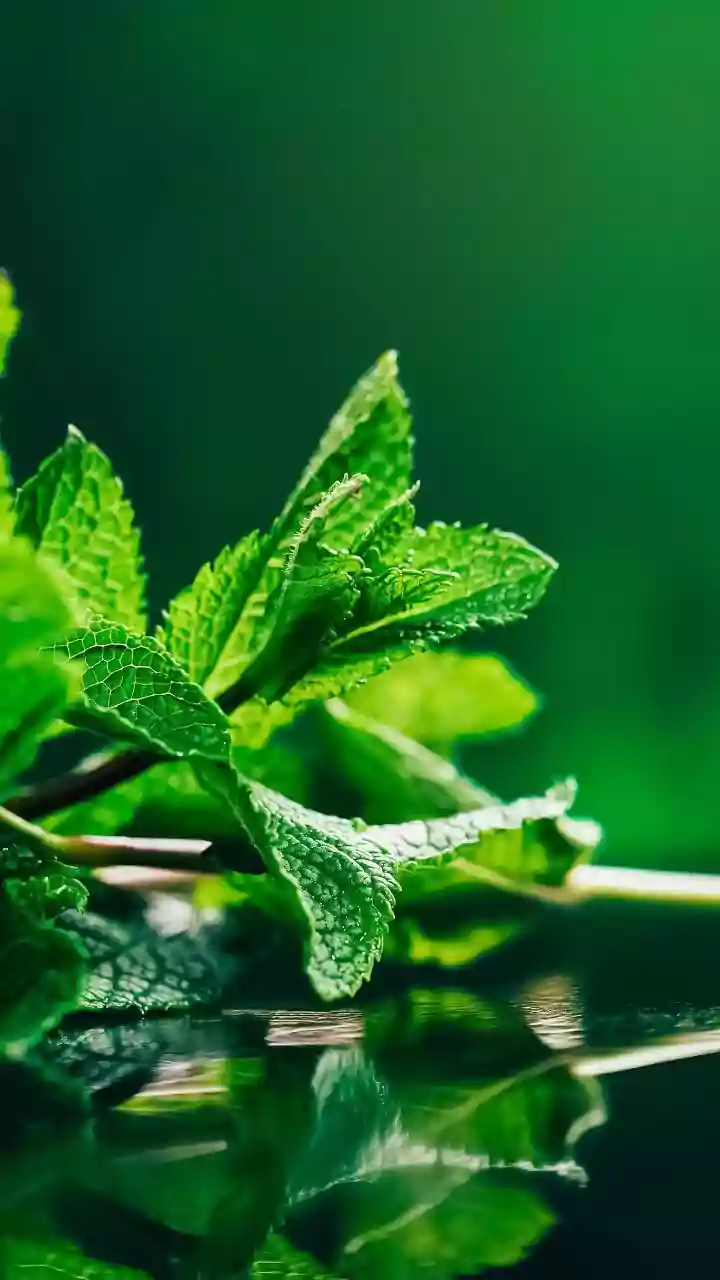
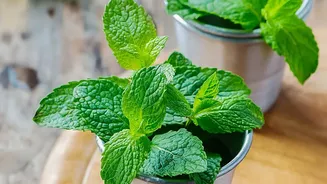
Not all mints are created equal. For indoor growing, consider varieties that pack a flavourful punch. Spearmint (Mentha spicata) is a classic choice, perfect for drinks and cooking with its bright, crisp flavour. Peppermint (Mentha piperita) offers a more
intense, menthol-heavy aroma, ideal for teas. For something more adventurous, try Chocolate Mint, which has subtle cocoa notes, or Pineapple Mint, known for its fruity scent and attractive variegated leaves. Starting with a small plant from a nursery or a cutting from a friend is often easier and faster than starting from seed.
The Right Pot And Soil
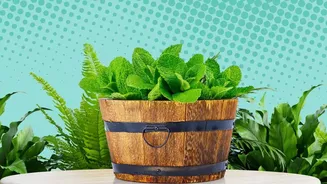
Mint has a vigorous root system that loves to spread. This makes container growing the perfect way to keep it contained. Choose a pot that is at least 8-10 inches wide to give the roots room to travel sideways. Excellent drainage is non-negotiable to prevent root rot, so ensure your pot has holes at the bottom. As for soil, a high-quality, well-draining potting mix is your best bet. You can improve drainage further by adding perlite or coarse sand to the mix. Avoid using dense garden soil, which compacts easily in pots and can introduce pests.
Light and Location
Mint thrives on bright, indirect light. An east-facing windowsill that receives gentle morning sun is ideal. While it can tolerate less light than other herbs, it still needs about four to six hours of good light per day to flourish. If your plant starts to look pale and 'leggy'—with long, weak stems and sparse leaves—it is likely starving for light. In that case, move it to a brighter spot or supplement with a simple LED grow light. Rotate the pot every few days to ensure all sides get an even amount of light, encouraging balanced growth.
Watering Wisely
The golden rule for watering indoor mint is to aim for consistently moist soil, not soggy soil. Overwatering is one of the quickest ways to harm the plant, leading to root rot. A good practice is to water thoroughly whenever the top inch of soil feels dry to the touch. Let the excess water drain completely from the bottom of the pot, and be sure to empty any water that collects in the saucer. In a warm, sunny window, you may find yourself watering every few days.
Harvesting for Bushy Growth
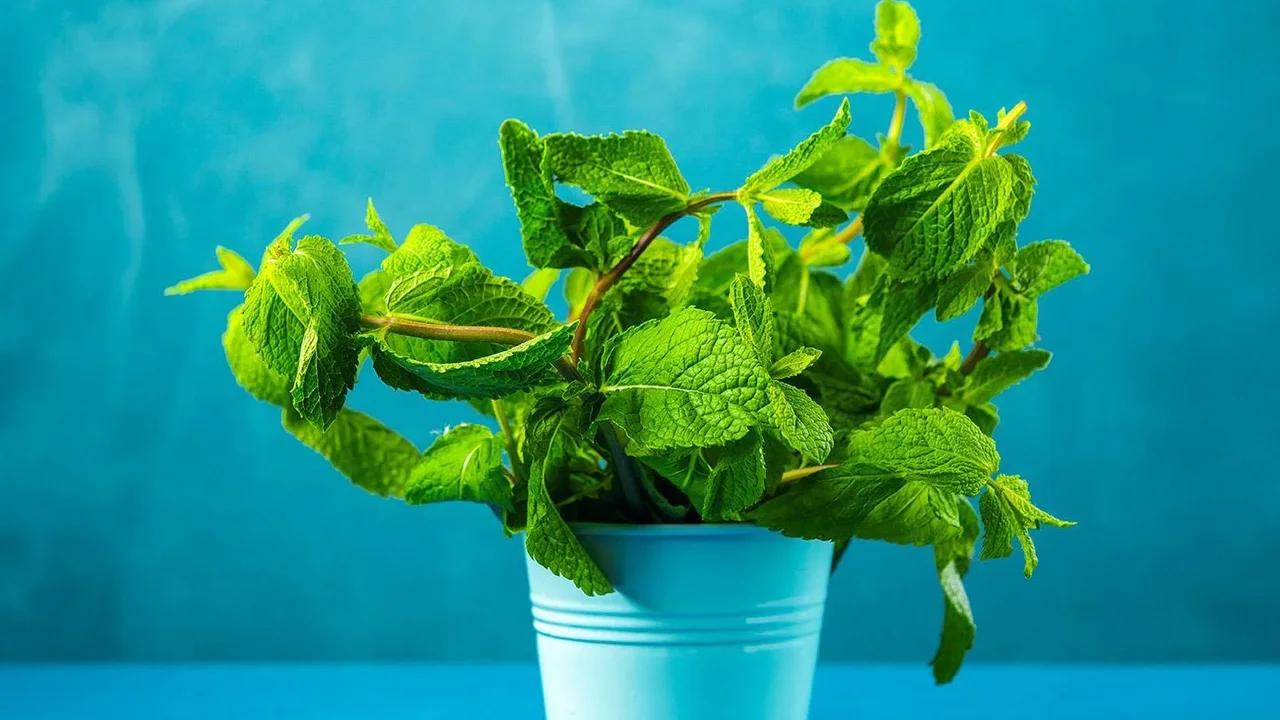
Regular harvesting is the secret to a full, bushy mint plant. Don't just pluck individual leaves. Instead, use clean scissors to snip off the top third of a stem, cutting just above a set of leaves. This encourages the plant to send out new side shoots from that point, making it grow denser. The best time to harvest is in the morning, when the essential oils in the leaves are most concentrated, giving you the best flavour. Frequent trimming prevents the plant from getting woody and putting its energy into flowering, which can reduce the quality of the leaves.
Troubleshooting Common Problems
Even this hardy herb can face issues. Small, orange, rust-coloured spots on the undersides of leaves signal mint rust, a fungal disease. Remove affected stems immediately and increase air circulation. Fine webbing on the plant is a sign of spider mites, which thrive in dry indoor air. Wiping the leaves with a damp cloth can help manage them. If your plant suddenly wilts, check the soil. It could be a sign of either severe underwatering or, paradoxically, root rot from overwatering. Adjust your watering schedule accordingly to revive it.