





Why High Humidity Can Be a Problem
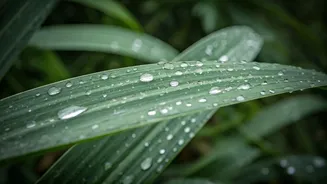
Especially during the monsoon season in India, the air becomes thick with moisture. While this feels like a tropical paradise for some plants, for many others, it’s a recipe for disaster. When humidity is excessively high, particularly in homes with poor
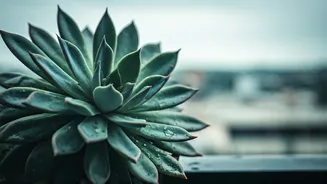
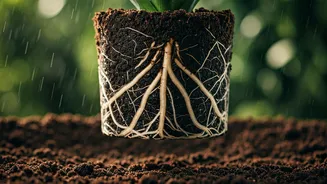
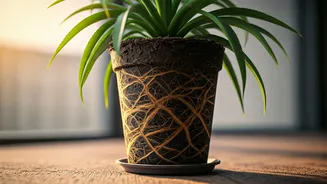
air circulation, it creates a stagnant, damp environment. This condition prevents leaves from transpiring effectively and keeps the soil from drying out, which can lead to root rot. [3, 9] More importantly, the constant moisture on leaf surfaces creates the perfect breeding ground for fungal and bacterial diseases that can quickly harm or even kill your beloved plants. [2, 8]
Decoding the Dangers of Yellow Leaves
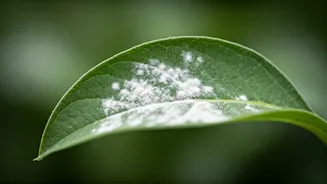
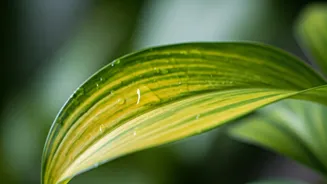
A yellow leaf isn't just a yellow leaf; it’s a symptom. While occasional yellowing of older, lower leaves is a natural part of a plant's life cycle, widespread or sudden yellowing during humid months is a major red flag. [22, 25] Look closely: are the leaves just yellow, or do they have other signs? Soft, mushy spots, white powdery dust, or dark, circular lesions are tell-tale signs of disease. [8, 13] Common humidity-related diseases include powdery mildew, which looks like a white dusting; downy mildew, which causes yellow spots on top of leaves and fuzzy growth underneath; and various fungal leaf spot diseases. [2] If ignored, these pathogens can spread rapidly. [3]
A Step-by-Step Guide to Pruning
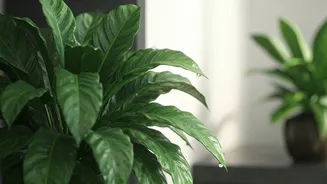
Pruning is a simple but critical act of plant hygiene. Removing diseased leaves not only improves the plant's appearance but also stops the pathogen in its tracks and redirects the plant's energy toward new, healthy growth. [23, 24] First, sterilise your tools. [25] Wiping the blades of your scissors or pruning shears with rubbing alcohol is a quick and effective method. [14, 20] Identify the affected leaves—those that are mostly yellow, spotted, or mushy. Cut the leaf stem as close to the main plant stem as possible without damaging it. [23] For leaves with only brown tips, you can trim just the damaged part for aesthetic reasons. [25] Crucially, do not compost the diseased leaves; dispose of them in the bin to prevent the spores from spreading. [16]
Proactive Care to Prevent Future Disease
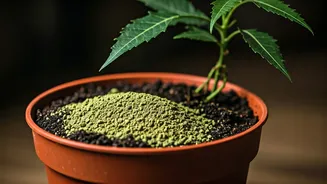
Once you've pruned the damage, the goal is prevention. The best defence against fungal disease is to disrupt the humid, stagnant conditions it loves. Improve air circulation by spacing your plants out or using a small fan to create a gentle breeze. [9, 10] Adjust your watering schedule; with high humidity, soil stays wet longer. Always check the top inch or two of soil before watering again. [9] When you do water, aim for the soil, not the foliage, as wet leaves are an open invitation for fungi. [2] For particularly susceptible plants, using a well-draining potting mix can make a world of difference by preventing waterlogged roots. [9]
Common Mistakes to Avoid
Even with the best intentions, it's easy to make mistakes. The biggest one is ignoring the problem, hoping the yellow leaves will fix themselves. They won't, especially if disease is involved. [24] Another common error is using dirty tools, which can transfer pathogens from one plant to another. [18, 20] Also, avoid the temptation to over-fertilise a stressed plant. A sick plant can't properly absorb nutrients, and excess fertiliser can further damage the roots. Finally, remember that pruning is a targeted solution for damaged leaves. Don't prune healthy green leaves unnecessarily, as they are the plant's source of energy. Let observation be your guide and act decisively when you see the early signs of trouble.