


A Vision of 111 Waterways
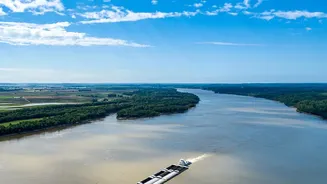
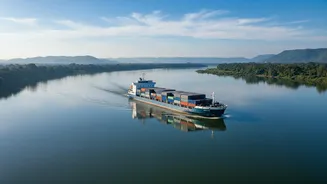
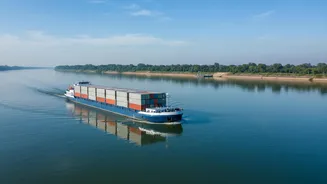
India's strategy revolves around the National Waterways Act of 2016, which designated 111 rivers and canals across the country as National Waterways (NWs). This ambitious plan aims to develop a vast, underutilised network for transporting goods and passengers,
shifting cargo from congested roads and railways. The primary goals are to slash logistics costs, which are notoriously high in India, reduce fuel consumption, and lower carbon emissions. The government envisions this network as a cost-effective and environmentally friendly alternative, particularly for bulk commodities like coal, cement, and food grains. As of early 2026, 32 of these waterways were operational, with plans to activate 20 more in the coming years, signalling a significant push to unlock this untapped potential.
The Challenge of Predictability
Despite the grand vision, inland water transport has long been plagued by inefficiency and unreliability. A key hurdle is the lack of guaranteed navigability throughout the year. Issues like seasonal variations in water levels, siltation that reduces river depth, and the absence of 24/7 navigation facilities have made it difficult for businesses to depend on waterways. For a logistics manager, an unpredictable Estimated Time of Arrival (ETA) is a dealbreaker. Without fixed schedules, integrating water transport into modern, just-in-time supply chains is nearly impossible. This uncertainty has led to low private sector participation and challenges in securing return cargo, leaving some newly built terminals underutilised. Simply put, a waterway is only as valuable as its predictability.
Digital Tools for Dependable Transit
To tackle the reliability issue head-on, the Inland Waterways Authority of India (IWAI) is turning to technology. A suite of digital platforms has been launched to bring transparency and predictability to river transport. These include River Information Systems (RIS) for real-time vessel monitoring and traffic management, and portals that provide information on the Least Available Depth (LADIS) of channels, allowing operators to plan voyages safely. Digital tools like the PANI portal help in streamlining approvals and data sharing. By using satellite tracking and sensor data, authorities can now monitor vessel movement, predict delays, and provide more accurate scheduling information to cargo owners, moving the system from an informal one to a modern, data-driven logistics network.
What Fixed Schedules Mean for India Inc.
The shift towards reliable schedules is a game-changer for Indian businesses. Predictable transit times allow companies to reduce buffer stocks and lower inventory carrying costs. For industries in India's hinterland, functional waterways provide a cheaper route to coastal ports, making their goods more competitive in global markets. The Jal Marg Vikas Project on NW-1 (Ganga), for instance, aims to provide year-round navigation, directly benefiting the resource-rich regions of Uttar Pradesh and Bihar by connecting them to the Haldia port complex. By making water transport as dependable as trucks and trains, the plan encourages a modal shift that could significantly bring down overall supply chain costs, which are estimated to be a high percentage of India's GDP.
More Than Just Cargo
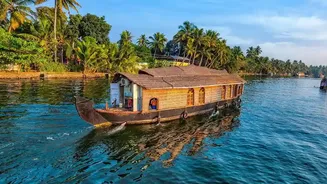
The benefits of a well-regulated waterway system extend beyond business logistics. A single 2,000-tonne barge can replace over 100 trucks, drastically reducing road congestion and air pollution in densely populated corridors. The government is also promoting green initiatives, such as deploying hybrid electric vessels and aiming for a 100% green fleet by 2047. Furthermore, the development includes community jetties that help local farmers and artisans access markets, boosting regional economies. Passenger and cruise tourism are also getting a push, with new services being launched on rivers like the Yamuna and Brahmaputra, creating new avenues for mobility and leisure. While challenges in dredging and attracting private investment remain, the focus on reliability is paving the way for a more sustainable and integrated transport future.