



A Tale of Two Icons
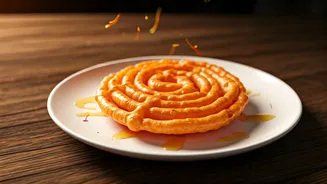
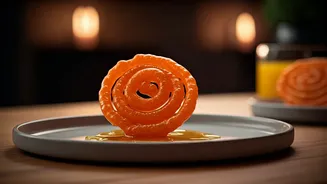
On one hand, we have the jalebi. Those intricate, chaotic spirals of fermented batter, deep-fried to a crisp and then plunged into a saffron-scented sugar syrup. It’s the sound of celebration, the taste of festivals, and the go-to sweet for a rainy day.
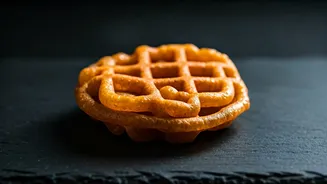
Jalebi isn't just a dessert; it's a piece of our collective memory, served hot in a paper cone or a steel plate, connecting generations with its unmistakable sticky sweetness. It's rustic, unapologetically Indian, and beloved from Kashmir to Kanyakumari. On the other hand stands the waffle. With its neat grid-like pockets designed to capture pools of maple syrup, melted butter, or scoops of ice cream, the waffle is a global symbol of breakfast indulgence and dessert creativity. Originating from Europe, it has become a universal canvas for culinary artists. It’s structured, versatile, and has found a comfortable home in the trendy cafes and brunch spots of urban India, often topped with everything from Nutella to fresh berries.
The Delicious Collision
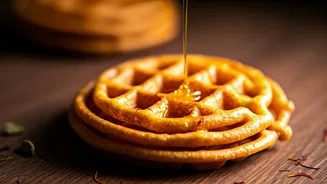
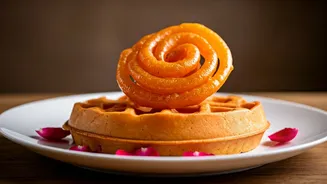
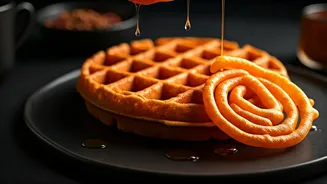
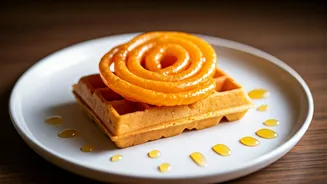
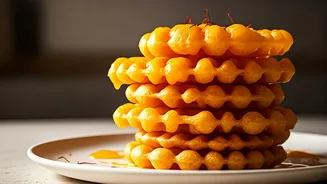
So, what happens when these two titans of the dessert world collide? Magic. The 'jalebi waffle' isn't a single, uniform dish but rather a creative concept that chefs and home cooks are interpreting in delightful ways. The most common iteration involves a freshly baked, warm waffle serving as a base for crushed, crispy jalebi pieces, often drizzled with rabri (a sweetened, condensed milk dish) instead of maple syrup. The result is a spectacular play of textures and temperatures: the warm, soft waffle, the crunchy, sugary jalebi, and the cool, creamy rabri. Each bite is a journey from familiar comfort to exciting novelty. Other variations get even more creative. Some chefs infuse the waffle batter itself with cardamom and saffron, giving the entire dish a jalebi-like aroma. Others create a 'jalebi waffle sandwich', with a dollop of rabri ice cream pressed between two waffle halves and topped with jalebi fragments and pistachios. It’s a bold, inventive, and incredibly photogenic creation that honours both its parent dishes while creating something entirely new.
Why This, Why Now?
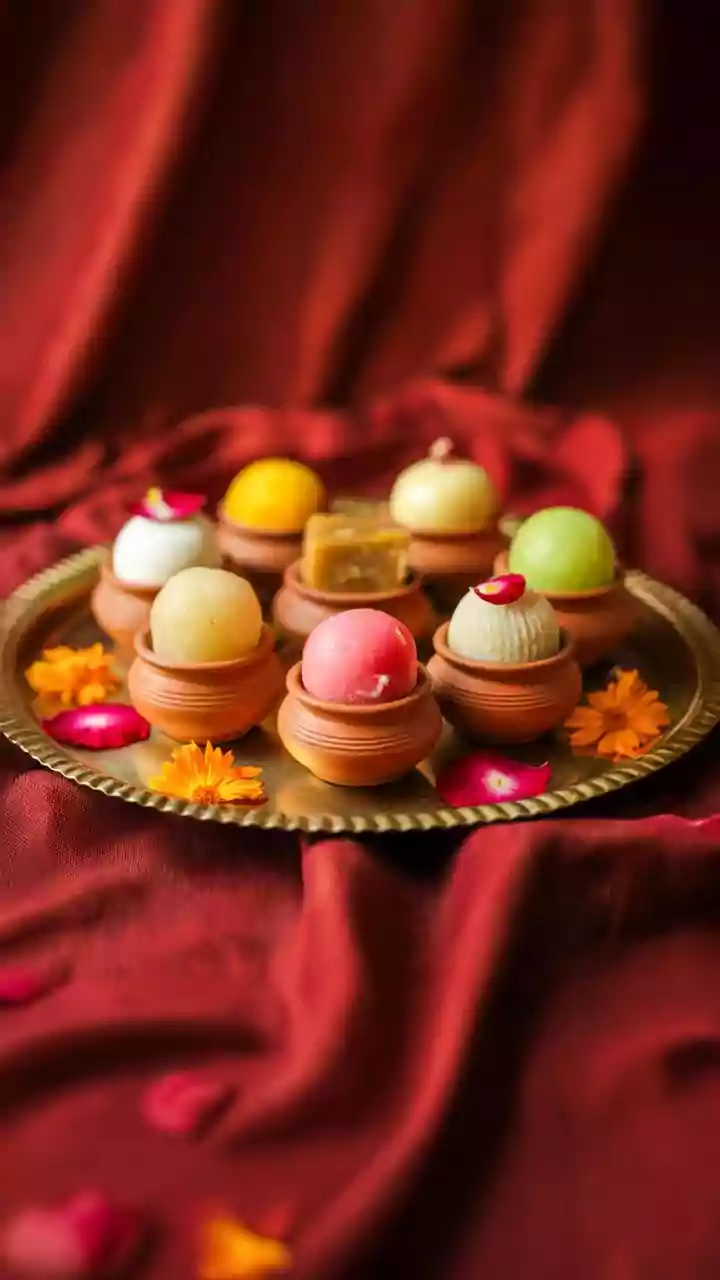
The rise of the jalebi waffle isn't just a random food trend; it's a reflection of a larger cultural shift in India. For years, 'fusion' often meant adding a dash of Indian spice to a Western dish. Today, it's a more confident and playful two-way street. Young Indian chefs, armed with classical training and a deep love for local flavours, are no longer afraid to deconstruct and reinvent their own heritage. They are looking at mithai not as something static or old-fashioned, but as a vibrant palette of flavours to experiment with. This culinary confidence is amplified by social media. A dish like the jalebi waffle is pure Instagram gold—visually stunning and intriguing. When a cafe in Mumbai or Delhi posts a picture of this golden-orange-on-golden-brown masterpiece, it instantly creates a buzz, driving foot traffic and inspiring other eateries to create their own versions. It’s a delicious cycle of innovation fueled by digital word-of-mouth.
Part of a Bigger Trend
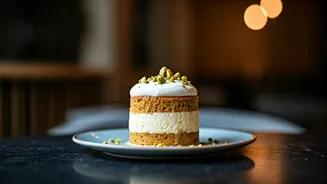
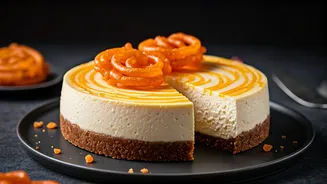
The jalebi waffle is not an isolated phenomenon. It’s the poster child for a new wave of Indian dessert fusions sweeping the country. We’re seeing Gulab Jamun Cheesecakes, where the soft, syrupy berry is baked into a creamy cheesecake. There's Motichoor Ladoo Trifle, layering the beloved sweet with cream and cake. Cafes are serving Rasmalai Tiramisu and Gajar Halwa Spring Rolls. What these creations share is a sense of joy and reverence. They aren’t making fun of the original; they are celebrating it by introducing it to a new context and a new audience. It’s a sign that Indian cuisine is dynamic and evolving, capable of absorbing global influences without losing its soul.