





What the Numbers Are Saying
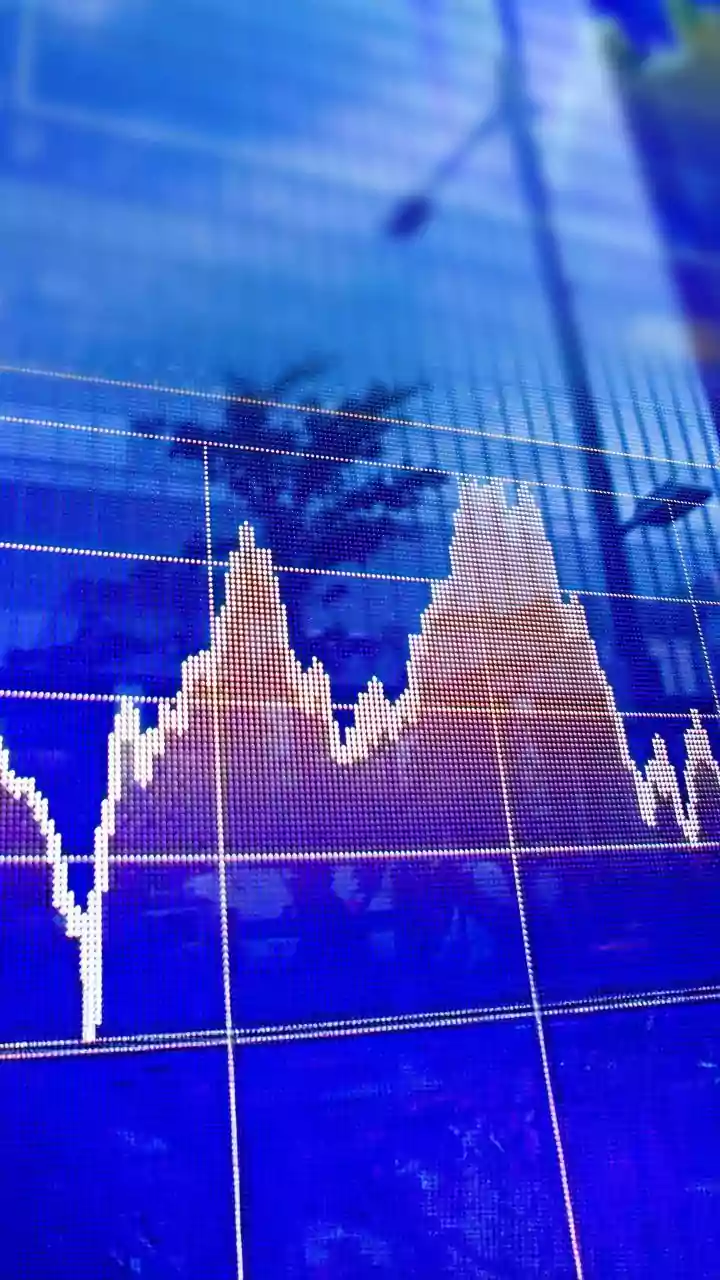
Recent data from the Reserve Bank of India (RBI) confirms that the credit engine is firing on all cylinders. According to reports, overall bank credit growth remained robust at around 18.6% year-on-year in June 2026. This isn't just a flash in the pan;
data from previous months shows a consistent trend of strong, double-digit growth. For instance, non-food bank credit grew by 17.4% as of the fortnight ended May 31, 2026. This broad-based expansion is being driven by lending to both industry and individuals, suggesting widespread economic optimism. Industrial credit saw a robust annual growth of 17.5% in May, a significant jump from previous years. Similarly, the retail or personal loan segment has also recorded impressive growth, with strong demand for everything from vehicle loans to consumer durables.
The Dawn of a Faster Credit Cycle
This sustained period of high credit growth signals that India has firmly entered a faster credit cycle. A credit cycle describes the expansion and contraction of access to credit over time. We are currently in a strong expansionary phase. Companies are borrowing to fund capital expenditure and expansion, a positive indicator known as the 'capex story'. For households, increased borrowing reflects confidence in future income and a willingness to make big-ticket purchases. This creates a self-reinforcing loop: borrowing fuels spending and investment, which in turn boosts economic activity and creates more demand for credit. The current cycle is particularly notable because credit growth is significantly outpacing deposit growth, putting pressure on banks to actively manage their funding.
Industry and Households: A Tale of Two Borrowers
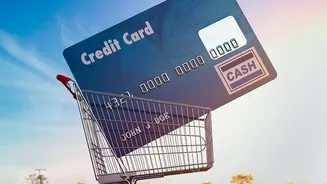
The credit boom is not monolithic; it has distinct characteristics for its two main drivers. On the industry side, lending has seen a significant revival. After years of cleaning up their balance sheets, large corporations are once again turning to banks for funding. Much of this is driven by sectors like infrastructure and manufacturing. For households, the story is one of continued and diversifying appetite for loans. While housing loans remain a staple, the RBI has noted the rapid growth of unsecured personal loans and credit card spending. The Financial Stability Report from June 2026 highlighted that consumption-related loans now constitute a significant portion of household debt, which has risen as a percentage of GDP.
The Crucial Question of Repayment Capacity
Herein lies the crux of the matter. Rapid credit growth is healthy only if the borrowers—be it a large corporation or a family buying a new car—can comfortably repay the debt. This is what economists refer to as 'repayment capacity'. While current data on non-performing assets (NPAs) is at a multi-decade low, these are backward-looking indicators. The RBI and market analysts are now keenly focused on the future. The central bank has cautioned banks to remain watchful of the evolving situation. The key concern is whether income growth, for both businesses and individuals, can keep pace with rising debt obligations, especially in an environment where interest rates could change. With unsecured loans growing, which depend heavily on future income rather than collateral, this question becomes even more critical.
Balancing Ambition with Prudence
The current credit boom is a testament to India's economic resilience. It reflects a banking system that has moved past the troubles of the last decade and is now funding the next wave of growth. However, this optimism is tempered with a healthy dose of caution. The RBI, while maintaining a growth-supportive stance, is actively monitoring risks, particularly in the fast-growing unsecured retail and NBFC segments. The Financial Stability Report has pointed to potential stress in loans to micro-enterprises and the rapid expansion of gold loans as areas to watch. For the Indian economy to continue on its high-growth trajectory, it's essential that this credit expansion is sustainable. The focus for banks, regulators, and borrowers alike will be to ensure that today's boom does not become tomorrow's burden.