

What Exactly Is Palm Jaggery?
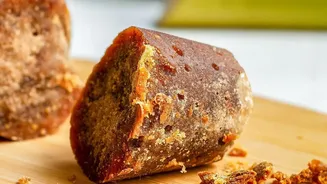
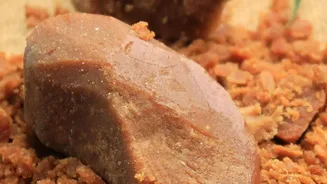
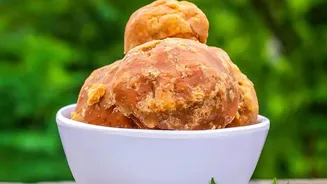
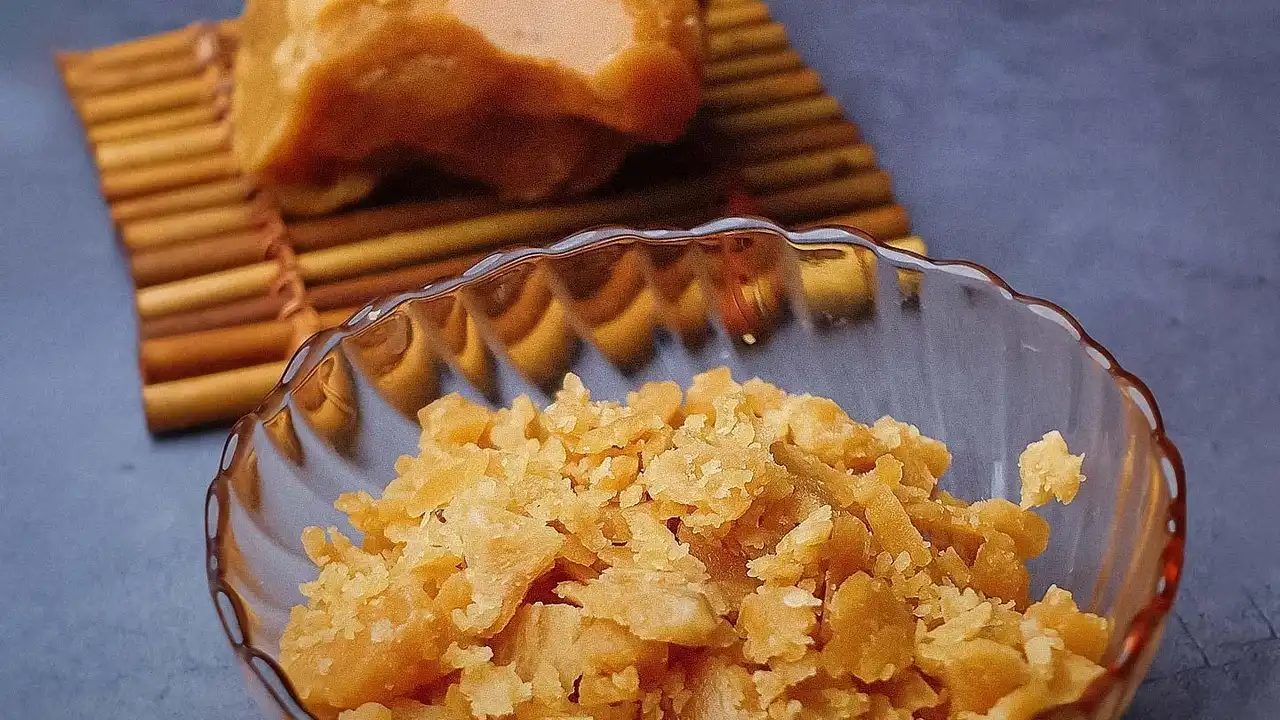
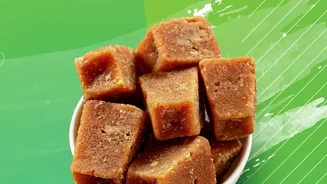
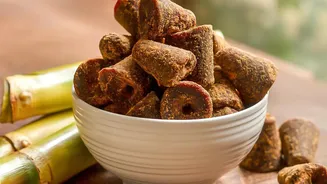
Palm jaggery, known in many parts of India as ‘karupatti’, is an unrefined natural sweetener made from the sap of palm trees like palmyra, date, or coconut palms. Unlike refined white sugar, which is pure sucrose stripped of all nutrients, palm jaggery is made by
simply boiling the collected sap until it thickens and solidifies. This minimal processing means it retains many of the minerals and vitamins found in the original plant source, making it a more wholesome choice. It's a staple in many parts of Asia and Africa, often referred to as a “medicinal sugar” in Ayurvedic traditions.
The Health Halo: Why Bakers Are Switching
The primary driver behind this swap is health. White sugar offers what experts call “empty calories,” while palm jaggery comes packed with micronutrients. It's a good source of minerals like iron, potassium, and magnesium. For health-conscious families, the switch is a simple way to add a bit of nourishment back into treats.
The biggest draw for many is its lower glycemic index (GI). Palm jaggery has a GI of around 35-43, whereas white sugar sits much higher at about 65. This means it releases sugar into the bloodstream more slowly, avoiding the sharp spikes and crashes associated with refined sugar, making it a better option for those managing their blood sugar levels.
A Flavour Upgrade for Your Bakes
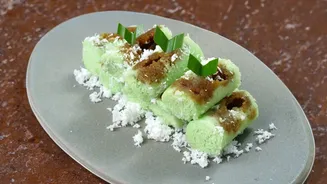
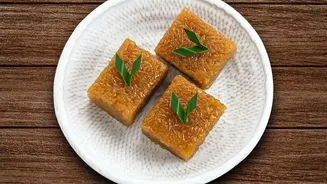
This trend isn't just about what you cut out; it's about what you add. While white sugar provides a straightforward, one-dimensional sweetness, palm jaggery introduces a complex, rich flavour profile. It has deep caramel, toffee, and slightly smoky notes that can elevate the taste of cakes, cookies, and other desserts. This molasses-like depth adds a gourmet touch, turning a simple butter cookie into a sophisticated treat. In many baked goods, its natural moisture also results in a chewier, softer texture that white sugar can't replicate.
A Practical Guide to Baking With Jaggery
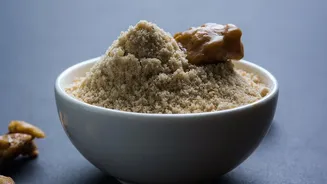
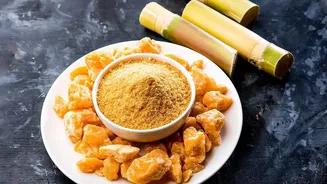
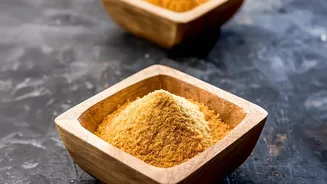
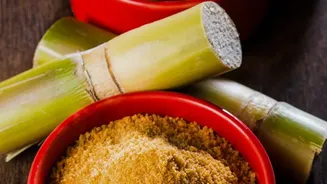
Making the switch is straightforward, but it's not always a simple one-to-one replacement. Since palm jaggery is less intensely sweet than refined sugar, you may need to adjust the quantity. A good rule of thumb is to use about 1.25 cups of powdered or grated jaggery for every 1 cup of white sugar called for in a recipe. For baking, powdered jaggery is often the easiest to work with as it integrates smoothly with other dry ingredients. If you have a block, be sure to grate it finely to avoid a grainy texture in your final product. Also, remember that jaggery's darker colour will give your bakes a beautiful, rustic golden-brown hue.
Choosing and Storing Your Jaggery
As palm jaggery gains popularity, the market is expanding. When shopping, look for organic options to ensure they are free from chemical additives. Good quality jaggery should have a dark, rich colour and a firm texture. Be wary of brands that seem overly processed or contain contaminants. Store your jaggery in an airtight container in a cool, dry place. This prevents it from absorbing moisture and keeps it fresh. The rise of packaged jaggery, particularly in convenient powdered form, has made it more accessible than ever, with market reports showing significant growth driven by health-conscious urban consumers.