





The New Office is an Eco-Village
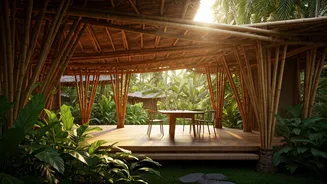
Forget the sterile aesthetic of modern co-working chains. In places like Ubud and Canggu, a new type of workspace is emerging, blending the functions of an office, a community centre, and an eco-conscious retreat. These aren't just desks for rent; they
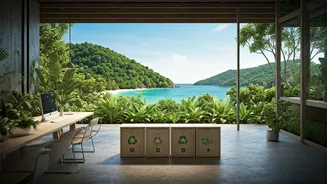
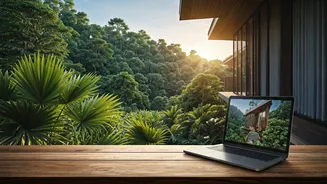
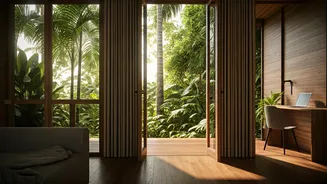
are integrated environments often built from bamboo and reclaimed wood, surrounded by lush permaculture gardens. Hubs like Mana Earthly Paradise or the community-focused vision of the now-legendary Hubud (which helped pioneer the movement) were designed around a central philosophy: work should not be separate from life, and neither should be separate from nature. Here, your morning stand-up meeting might happen near a composting station, and your lunch break could involve harvesting vegetables for the communal kitchen.
What 'Zero Waste' Actually Means
The term 'zero waste' is more of a guiding principle than a literal, absolute state. For these Balinese hubs, it's a commitment to consciously reducing environmental impact. This manifests in tangible ways every day. Single-use plastics are strictly forbidden; members are expected to bring their own reusable bottles and containers. Water stations provide filtered rainwater, not plastic bottles. On-site cafes serve locally sourced, organic food with a focus on plant-based menus to lower their carbon footprint. Waste is meticulously sorted into compost, recyclables, and residual trash, with a constant effort to shrink that final category. It’s a culture of mindfulness, where the responsibility for one’s consumption is a shared, visible part of the daily routine, creating a powerful sense of collective purpose that a typical corporate recycling bin simply can’t match.
The Irresistible Pull of Bali
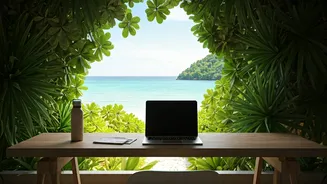
Bali has long been a magnet for spiritual seekers and travellers, but its appeal for digital nomads is a potent mix of practical and profound. The island offers a relatively low cost of living compared to Western capitals, enabling entrepreneurs and freelancers to bootstrap their ventures. A reliable and fast-growing internet infrastructure means Zoom calls against a backdrop of rice paddies are not just possible, but common. But the real draw is the community. Bali has one of the highest concentrations of remote workers in the world, creating a vibrant ecosystem of skill-sharing, collaboration, and social connection. It’s a place where you can discuss a marketing strategy in the morning, join a breathwork session in the afternoon, and attend a talk on sustainable business in the evening.
It’s Not All Smoothie Bowls
The Instagram feed of a Bali-based digital nomad can be misleading. While the lifestyle offers immense freedom, it comes with its own set of challenges. Navigating Indonesia’s visa regulations has long been a complex dance, though the recent introduction of a 'digital nomad' visa aims to simplify this. There's also the growing awareness of the darker side of this influx. The popularity of places like Canggu has led to soaring rental prices, placing a strain on local communities and infrastructure. The very act of flying across the world to live a 'sustainable' lifestyle presents a carbon paradox that many nomads grapple with. Furthermore, the pressure to be productive while surrounded by paradise can lead to a unique form of burnout, where the lines between work and leisure blur into a constant, low-grade state of being 'on'.
A Glimpse into the Future of Work?
While not everyone is ready to pack their bags for Bali, the rise of these zero waste hubs points to a significant shift in our collective values. The pandemic shattered the myth that productive work can only happen in a designated corporate building. Now, professionals are asking for more—not just flexibility in location, but also alignment in purpose. They want their work life to reflect their personal ethics, whether that’s a commitment to sustainability, a desire for deeper community, or a need for a healthier work-life integration. These hubs are a living experiment in what happens when you design a workspace around human and environmental well-being, rather than just shareholder value. They prove that a different way of working isn't just possible, but for many, it's preferable.