

The Regal Splendour of the North
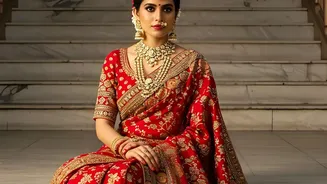
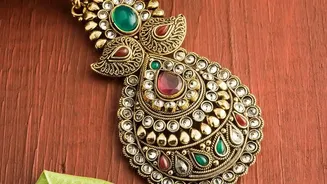
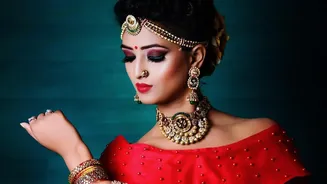
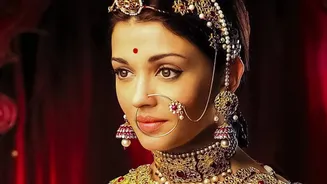
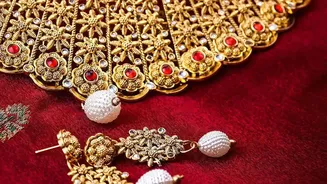
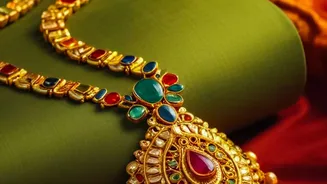
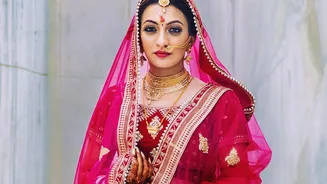
Hailing from the royal courts of Rajasthan and the Mughal era, Kundan and Polki jewellery remain a top choice for brides seeking a majestic look. Polki consists of uncut, unpolished diamonds in their natural form, giving them a raw and brilliant sparkle.
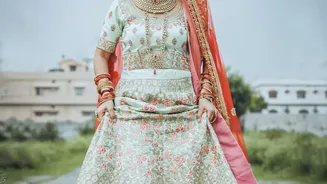
Kundan is a highly refined form of pure gold used to set gemstones and glass. This style is synonymous with grandeur, featuring elaborate chokers, multi-layered necklaces, and statement maang tikkas. Brides in 2026 are seen pairing these heritage pieces with pastel-hued lehengas, creating a look that is both classic and contemporary.
The Divine Craftsmanship of the South
South Indian bridal jewellery is deeply rooted in devotion, famously represented by Temple Jewellery. Originally crafted to adorn deities in temples, these pieces are now cherished by brides. Made of gold, they feature intricate motifs of gods, goddesses like Lakshmi, lotuses, and peacocks. Key pieces include the 'Haaram' (long necklace), 'Vanki' (armlet), and the coin necklace known as 'Kasu Malai'. These ornaments are not just accessories but symbols of divine blessing and prosperity, making them a quintessential part of a South Indian bride's trousseau.
The Artistic Heritage of the East
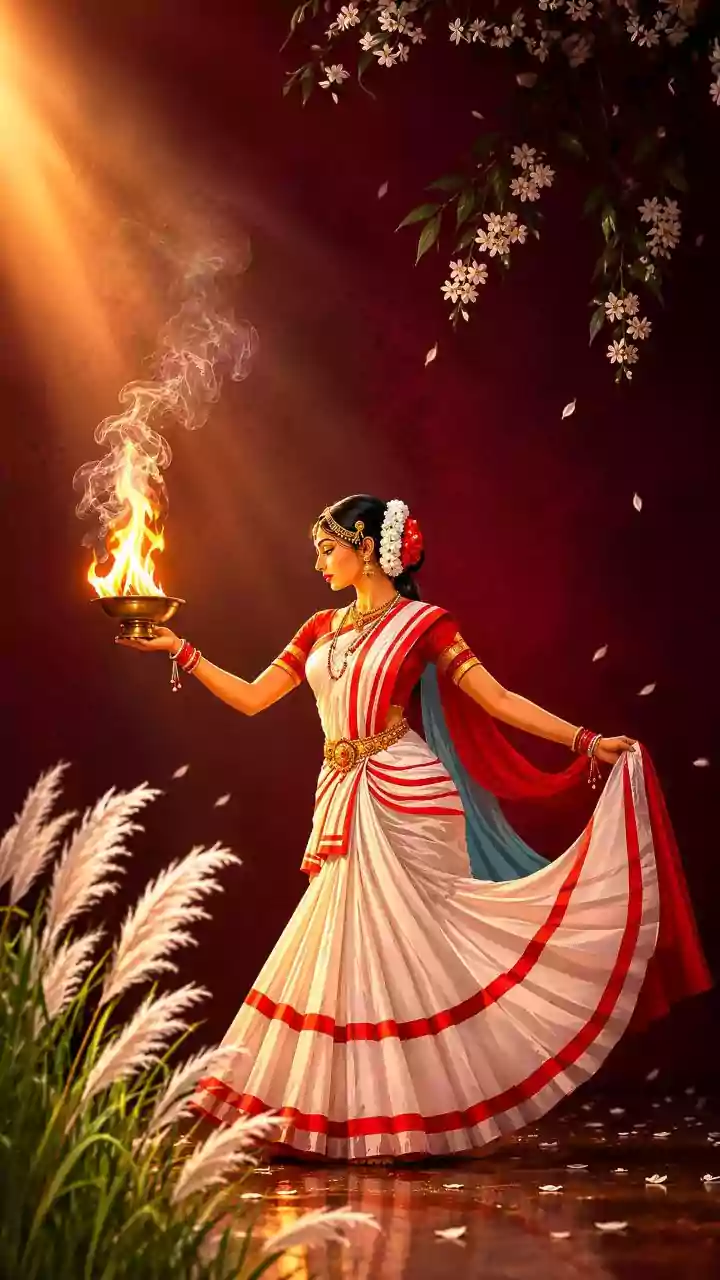
The Bengali bride's jewellery box is a treasure trove of intricate gold craftsmanship. A quintessential part of her look is the 'Shakha Pola', a set of red coral and white conch-shell bangles signifying her marital status. The forehead is adorned with a delicate 'Tikli', similar to a maang tikka. Elaborate necklaces like the 'Sita Haar', a long, layered chain, add to the grandeur. Another iconic piece is the 'Kaan Bala', an ear ornament that beautifully fuses the popular jhumka and chaandbali designs. These pieces reflect a rich artistic heritage passed down through generations.
The Pearl Elegance of the West
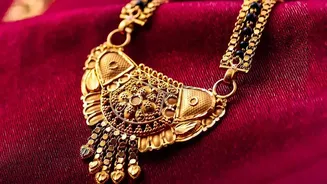
Maharashtrian bridal jewellery is known for its unique and graceful designs, often incorporating pearls. The most distinctive piece is the 'Nath', a large, cashew-shaped nose ring adorned with pearls and coloured stones. Another staple is the 'Thushi', a choker-style necklace made of tiny gold beads woven closely together. The 'Kolhapuri Saaj' is another traditional necklace, often considered as significant as the mangalsutra. Layered pearl necklaces and green glass bangles complete the look, creating an aesthetic of understated elegance and cultural pride that is quintessentially Marathi.
Modern Heirlooms for the 2026 Bride
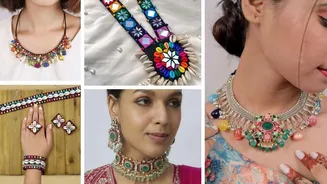
While rooted in tradition, bridal jewellery in 2026 is also about personal expression. Today's brides are creatively blending different regional styles and opting for versatile pieces that can be worn long after the wedding day. There is a growing trend towards lightweight jewellery and statement pieces like oversized kadas or chandbalis. Layering necklaces of varying lengths is another popular way to create a customised, rich look. Whether it's a timeless Polki set or a divine Temple necklace, brides are using these heirlooms to tell their own unique story.