




The Science of Spoilage
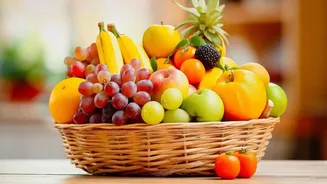
The culprit behind your quickly spoiling fruit bowl is often a colourless, odourless gas called ethylene. Many popular fruits and some vegetables release ethylene as they ripen, and this gas acts as a hormone, signalling to nearby produce to ripen faster,
too. An apple releasing ethylene can cause a nearby bunch of unripe bananas to turn yellow and then brown in record time. Understanding this natural process is the first step to mastering your kitchen inventory. By strategically managing which items you store together, you can either accelerate or slow down the ripening process, ensuring you have fresh produce available all week long instead of a feast followed by a famine.
Your Shopping Strategy: The 'Ready Now, Ready Later' Plan
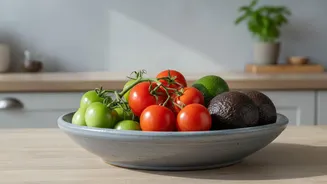
Instead of buying a full bunch of ripe bananas or a bag of perfectly soft avocados, think in terms of your week's needs. This is the core of the 'ripe and firm' strategy. For example, buy one or two ripe avocados for the next couple of days, and three or four firm, green ones that will ripen later in the week. Apply this to other produce as well: buy a few ripe, juicy tomatoes for your immediate meals, and a few that are still firm and slightly orange to ripen on your countertop. This approach turns your grocery purchase into a staggered supply chain, ensuring something is always at its peak freshness when you need it, which drastically reduces the chances of produce going bad before you get to it.
Ethylene Producers vs. Ethylene-Sensitive
To properly manage your produce, you need to know which items are the main ethylene producers and which are most sensitive to it. Keeping them separate is key to extending freshness. High Ethylene Producers: Apples, apricots, avocados, ripe bananas, figs, mangoes, peaches, pears, plums, and tomatoes are all significant sources of ethylene gas. Think of them as the ripeners of the fruit world. Highly Ethylene-Sensitive: Asparagus, unripe bananas, broccoli, carrots, cauliflower, cucumbers, leafy greens, lettuce, and strawberries are very susceptible to the effects of ethylene. Storing these next to an ethylene producer will cause them to yellow, wilt, or spoil much faster. Carrots, for instance, can develop a bitter taste when exposed to ethylene.
Smart Storage Solutions
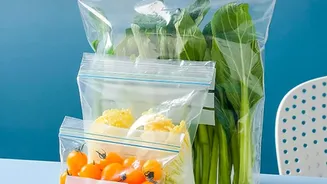
Once you get your groceries home, storage becomes crucial. The golden rule is to separate your ethylene producers from your sensitive items. This might mean dedicating one crisper drawer in your refrigerator for fruits like apples and pears, and the other for leafy greens and vegetables. If your fridge has humidity controls on the drawers, a good rule of thumb is to use the low-humidity setting (vent open) for ethylene-producing fruits to allow the gas to escape. Use the high-humidity setting (vent closed) for leafy greens and other vegetables that are prone to wilting. For items you want to ripen faster, like a hard avocado, place it in a paper bag with an apple or a ripe banana for a day or two; the trapped ethylene will speed things up considerably.
Why This Small Change Matters
Reducing food waste at home has a significant impact. In India, households are a major source of food waste, contributing millions of tonnes annually. Much of this is fresh produce that is over-bought or improperly stored. Adopting the 'ripe and firm' shopping strategy not only saves you money by ensuring you eat what you buy, but it also lessens your environmental footprint. When food ends up in a landfill, it decomposes and releases methane, a potent greenhouse gas. By making small, conscious choices in the grocery aisle and in our kitchens, we can collectively reduce this waste, conserve the resources used to grow our food, and ensure more food gets eaten rather than discarded.