





Understanding the Coastal Damp Challenge
Homes in coastal regions face a unique environmental challenge. The air is naturally laden with moisture and salt from the sea. This high humidity, especially during the monsoon season, means the air inside your flat can become saturated with water vapour.
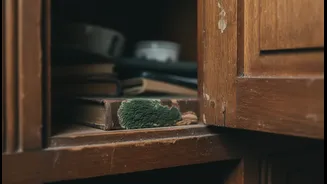
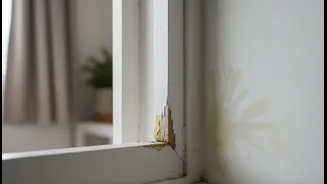
Without adequate airflow, this moisture settles on cooler surfaces like walls and floors, leading to damp patches, bubbling paint, and the tell-tale musty smell of mould and mildew growth. Unlike in drier climates, this isn't a problem caused by a specific leak; it's a persistent condition driven by the atmosphere itself. Traditional building methods often trap this moisture, creating a cycle of dampness that can feel impossible to break.
The Power of a Cross-Ventilation Layout
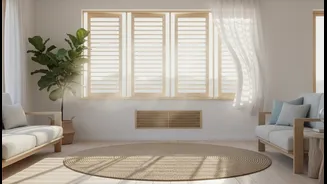
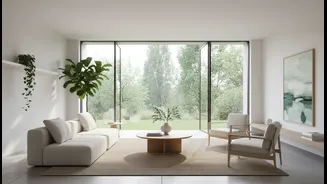
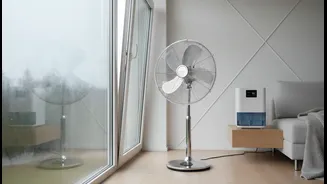
The single most effective layout modification you can make is to promote cross-ventilation. This is the architectural principle of capturing moving air and directing it through your home. The goal is to have entry and exit points for air on opposite sides of a room or the entire flat. When windows, vents, or doors are aligned, a natural pressure differential pulls fresh air in and pushes stale, humid air out. This constant air exchange prevents moisture from settling and accumulating. Even in a flat, you can enhance cross-ventilation by keeping interior doors open to create a clear pathway for air to travel from a sea-facing window to a balcony door or another window on the opposite side.
Rethinking Your Floor Plan for Better Airflow
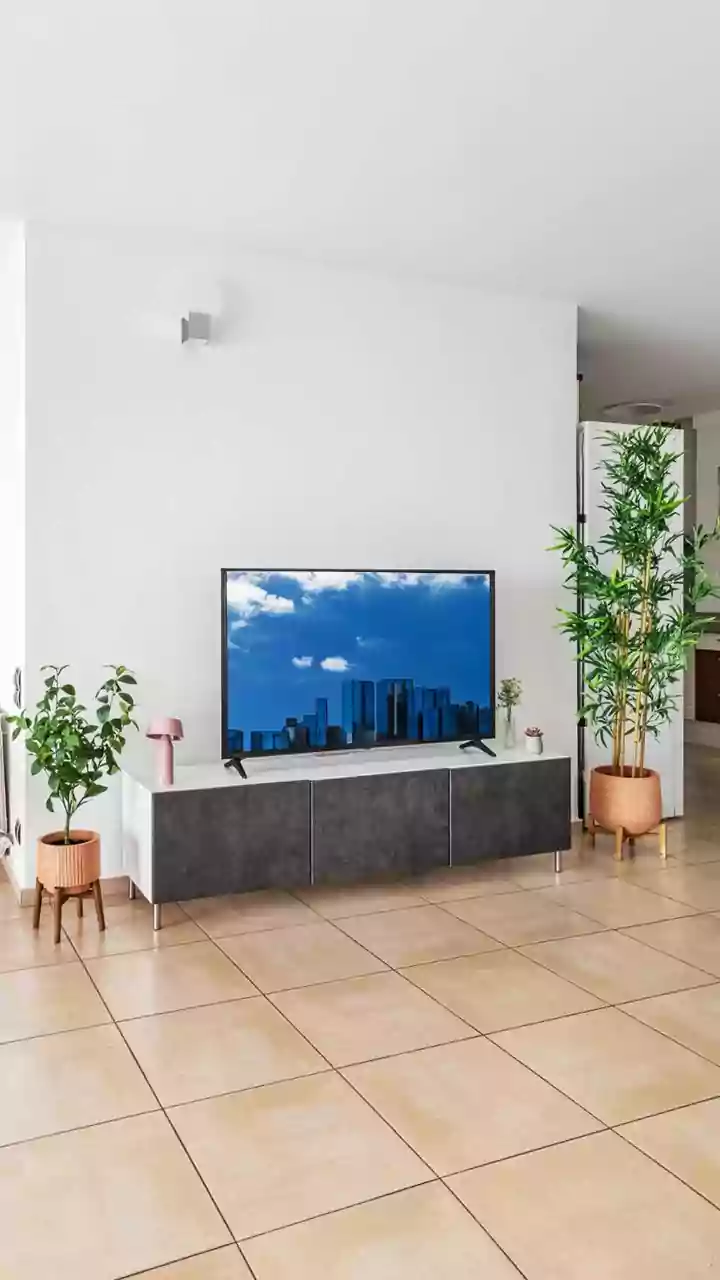
You don't need to knock down walls to create a more breathable layout. Simple changes to your floor plan can have a significant impact. Start by assessing your furniture placement. Large, solid pieces like wardrobes and entertainment units pushed directly against walls can trap air and create damp spots behind them. Pulling them a few inches away from the wall allows air to circulate. Consider replacing solid doors with louvered ones or using decorative partitions and screens instead of solid bookshelves to divide spaces. These elements maintain a sense of separation while allowing air to move freely, disrupting the stagnant pockets where humidity builds up.
Choose Building Materials That Breathe
The materials used in your home play a crucial role in managing moisture. Non-breathable materials, like vinyl wallpapers, oil-based paints, and certain plastic-based plasters, act like a plastic wrap on your walls, trapping moisture inside. Instead, opt for breathable, or 'vapor-permeable', finishes. Lime-based plasters and paints are excellent choices as they allow moisture to pass through and evaporate. Natural materials like wood, bamboo, and terracotta tiles for flooring are also preferable to synthetic carpets that absorb and hold dampness. When painting, look for high-quality waterproof or moisture-resistant paints, particularly for kitchens and bathrooms, as they are designed to handle high humidity without peeling or blistering.
Strategic Use of Windows, Balconies and Vents
If you are in a position to renovate, pay close attention to openings. Large, operable windows are your best friends in a coastal climate. Installing exhaust fans in high-humidity zones like the kitchen and bathrooms is essential to expel moist air directly outside before it can circulate through your home. Don't underestimate the power of traditional Indian architectural elements like 'jaalis' (perforated screens). These can be incorporated into walls or balconies to provide continuous, secure ventilation while adding an aesthetic touch. Similarly, having a properly ventilated attic or roof space can prevent heat and humidity from getting trapped at the top of the building, which keeps the entire home cooler and drier.
Banishing Lingering Musty Odours
That musty smell is a direct result of mould and mildew feeding on trapped moisture. While improving ventilation is the long-term cure, you can tackle existing odours with natural absorbers. Place bowls of activated charcoal, baking soda, or even coffee grounds in closets and corners to soak up smells. Allowing natural sunlight into rooms whenever possible is also a powerful, free solution; UV rays naturally kill mould spores. For persistent mould on walls, a simple spray made from boiling neem leaves in water can act as a natural antifungal treatment. Ultimately, by eliminating the dampness, you eliminate the source of the odour for good.