





The Battle for Convenience
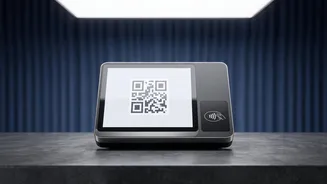
When it comes to sheer ease and speed, UPI has fundamentally changed how India pays. Its biggest advantage is simplicity; a quick scan of a QR code is often all that is needed to complete a transaction. This system is incredibly accessible, available
to almost anyone with a bank account and a smartphone. UPI's reach extends from neighbourhood vegetable vendors to large supermarkets, making it the default choice for small, frequent purchases. Credit cards, while also convenient, involve a few more steps like swiping, tapping, or entering card details and a PIN. Their strength lies in established retail and online environments. The key difference is the source of funds: UPI payments are instant debits from your bank account, while credit cards offer a 'pay later' facility, drawing from a pre-approved credit line.
A Tale of Two Cost Structures
For consumers, the cost difference is stark. UPI payments are generally free for the user. Person-to-person transfers carry no charge, and merchant payments under ₹2,000 also remain free for the customer. Effective October 15, 2026, a Merchant Discount Rate (MDR) of 0.4% applies to some merchant transactions over ₹2,000, but this cost is borne by the merchant, not the consumer. Credit cards, on the other hand, operate on a different model. They often come with annual fees, which can range from a few hundred to several thousand rupees depending on the card's benefits. The most significant cost is the high interest charged on any outstanding balance not paid by the due date, with annual rates ranging from 18% to over 42%. Additional fees can apply for cash withdrawals, foreign transactions, and late payments.
The Rewards and Perks Showdown
This is where credit cards traditionally shine. They offer structured reward programs that include cashback, air miles, loyalty points, and exclusive access to perks like airport lounges and dining discounts. These benefits are designed to incentivize usage, particularly for larger purchases in categories like travel and online shopping. UPI-based rewards are typically more limited. While some payment apps run promotional cashback offers, these are often sporadic and smaller in value compared to the consistent reward ecosystem of credit cards. However, the landscape is evolving with the introduction of RuPay credit cards linked to UPI, which allow users to make QR code payments while earning card rewards. Still, even with these cards, reward rates on UPI transactions can sometimes be lower than for traditional card swipes.
Acceptance and Financial Discipline
UPI's biggest triumph is its universal acceptance across India, especially with small and micro-merchants who may not have card payment terminals. For daily errands, UPI is unmatched. Credit card acceptance is widespread in urban centres, organised retail, and e-commerce, but can be limited in more remote or informal settings. The two payment methods also encourage different financial behaviours. Since UPI deducts money directly from your bank account, it provides a clear, real-time view of your spending against your balance, which can aid in budgeting. Credit cards separate the act of purchasing from the pain of payment, with all spends consolidated into a monthly bill. While this offers flexibility, it requires discipline to avoid accumulating debt. Furthermore, responsible credit card use is a key factor in building a positive credit history, which UPI transactions do not influence.