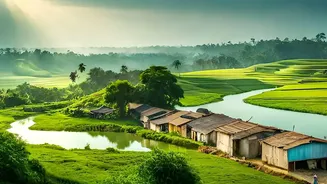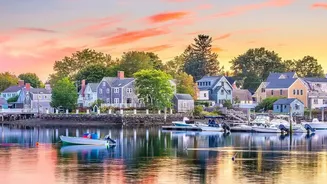




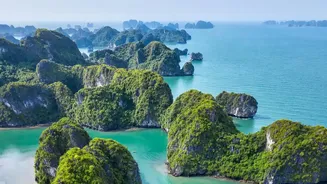
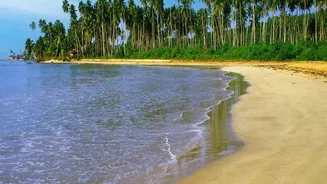

Ever feel like you need a vacation to recover from your vacation? That feeling often comes from choosing destinations packed with stimulation instead of restoration. The antidote might just be the quiet charm of a small coastal town.
The Paradox of the Packed Itinerary
Busy tourist hubs
operate on a principle of more: more sights, more restaurants, more activities, more people. While variety seems appealing, it often leads to cognitive overload and decision fatigue. Planning a trip can become an exhausting research project, and the vacation itself can feel like a race against a checklist. This pressure to 'see it all' keeps our brains in a state of high alert, constantly processing information and making choices. Instead of unwinding, we end up in a state of 'allostatic load', the cumulative wear and tear from a stress response that never fully switches off. The result is a trip that feels more like an extension of our fast-paced daily lives than a genuine escape from them.
Finding Calm in Cognitive Quiet
Smaller coastal towns offer the opposite: a limited, curated experience. With fewer restaurants, shops, and must-see landmarks, the pressure to choose diminishes. This reduction in sensory input—less traffic, less noise, fewer crowds—allows our minds to switch off from a state of constant, effortful focus. Psychologists refer to this as Attention Restoration Theory. Our daily lives deplete our 'directed attention', the kind we use for work and navigating complex environments. Natural settings, like a quiet coastline, engage 'soft fascination', a gentle, effortless form of attention held by things like rustling leaves or moving water. This allows our depleted mental resources to recover, leading to a profound sense of rest.
The Restorative Power of 'Blue Space'
The very environment of a coastal town is inherently therapeutic. Researchers use the term 'blue spaces' to describe environments featuring oceans, lakes, and rivers. Proximity to water has been consistently linked to better mental health, including reduced stress and improved mood. Staring at the ocean can shift our brain waves into a mild meditative state, while the sound of waves can be deeply calming. Studies have shown that visits to coastal environments provide greater emotional restoration than many other natural settings. This connection to nature helps lower levels of the stress hormone cortisol and triggers the release of mood-boosting neurochemicals like dopamine and serotonin.
A Return to the Human Scale
In a bustling tourist city, you are one of thousands, an anonymous face in a sea of visitors. This can be liberating for some, but for many, it fosters a sense of disconnection. Smaller towns, in contrast, operate on a more human scale. The interactions feel more genuine, whether it's with a local shop owner or other visitors. This fosters a sense of community and belonging, which are crucial components of emotional wellbeing. This environment encourages 'slow travel', a mindset focused on connection over checklists. Instead of rushing between photo ops, you can immerse yourself in the local rhythm, creating deeper and more meaningful memories.
Authenticity Over Attraction
Many travellers are increasingly seeking authentic experiences that are representative of the local culture, a trend sometimes called 'life-seeing' instead of sightseeing. Large tourist hubs often present a curated, commercialized version of their culture. In smaller towns, the culture is something you live alongside, not something performed for you. The charm comes from its authenticity—the local fishing boats, the weekly market, the unique architecture. This allows for a more profound connection to the place itself. It provides an opportunity to disconnect from digital distractions and reconnect with the present moment, fostering mindfulness and a greater sense of calm.