


The Undeniable Benefits of Labeling
A well-organized freezer starts with a simple label. The primary benefit is a significant reduction in food waste. When you know exactly what you have and when it was frozen, you are more likely to use it before it loses quality. This translates directly
into money saved, as you'll buy fewer groceries to replace items you forgot you had. Beyond finances, there's food safety. While freezing keeps food safe indefinitely from a pathogen perspective, its quality—taste and texture—degrades over time. A date on the label ensures you eat everything at its best. Finally, it makes meal planning a breeze. A quick glance at your neatly labeled stash tells you what's available for dinner, eliminating the guesswork and the temptation to order takeaway.
Anatomy of the Perfect Freezer Label
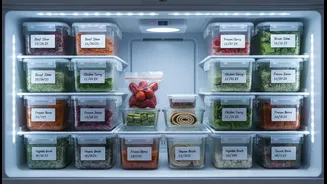
A truly useful label is clear, concise, and contains all the necessary information. There are three non-negotiable elements. First is the name of the dish. Be specific—'Chicken Korma' is much better than just 'Curry'. Second is the date it was frozen. This is crucial for rotating your stock and using older items first. Third, consider adding the quantity or number of portions. This helps you grab exactly what you need, whether it's a single serving for lunch or a family-sized meal. For bonus points, you can add reheating instructions ('Thaw in fridge, then heat on stove') or a 'use by' date, which is typically a few months after the freeze date depending on the food type.
Choosing Your Tools of the Trade
The right tools make any job easier, and freezer labeling is no exception. You need labels and markers that can withstand cold, moist environments. A simple roll of masking tape and a permanent marker is a classic, budget-friendly option. However, the adhesive can become brittle and fail in very low temperatures. For a more reliable solution, invest in freezer-specific labels. These are designed with an adhesive that stays put at zero degrees. You can find removable labels that peel off without leaving a sticky residue, or even dissolvable labels that wash away cleanly in the sink, which are perfect for reusable containers. When it comes to writing, an oil-based permanent marker is superior to standard water-based ones, as the ink is less likely to smudge or fade.
From Labeling to a Full-Fledged System
Labels are most powerful when part of a broader organizational system. Adopt the 'First-In, First-Out' (FIFO) principle, the same one used in professional kitchens. When you add new items, place them at the back of the freezer and move older items to the front. This ensures you're always rotating your stock. Create zones within your freezer for different categories of food: one shelf for meats, a drawer for vegetables, and a section for pre-made meals like dals and soups. Using clear bins to group similar items can prevent bags of frozen peas and corn from creating an avalanche every time you open the door. This zoning strategy, combined with clear labels, turns a chaotic ice box into a highly efficient home pantry.
Pro-Tips for Freezer Mastery
Ready to take your freezer game to the next level? Try 'flat freezing' soups, dals, and ground meat. Pour them into freezer bags, remove the air, and lay them flat on a baking sheet to freeze. Once solid, you can store them vertically like files in a cabinet, saving an immense amount of space. For batch-cooked items you use frequently, freeze them in usable portions. Instead of one large container of ginger-garlic paste, freeze it in an ice cube tray first, then transfer the cubes to a labeled bag. This way, you can grab one or two cubes as needed without thawing the whole batch. This method works wonderfully for chutneys and stock as well.