




The Soul of a Simple Grain
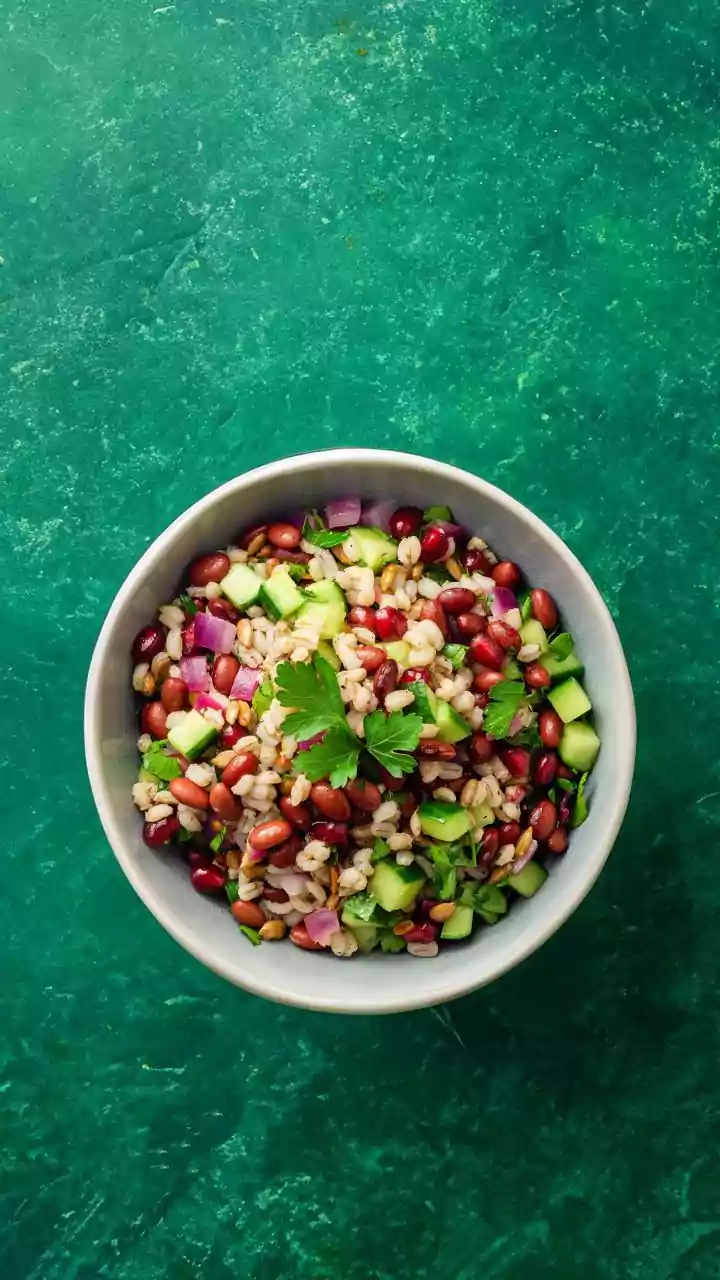
At its heart, polenta is a humble dish with a rich history. Originating in Northern Italy, it was a staple for peasant families, providing a filling and affordable meal through long winters. While ancient versions were made with other grains like farro
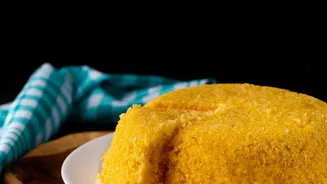
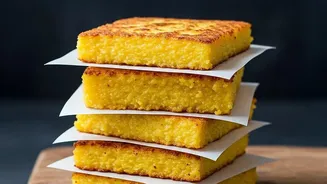
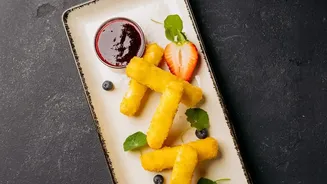
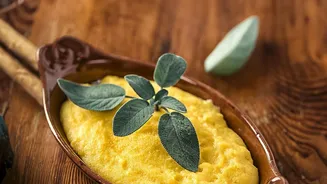
or millet, the polenta we know today is made from ground cornmeal. Often called 'Italian grits', it's a porridge cooked with water, stock, or milk until it becomes a creamy, satisfying base for countless toppings. Don't confuse the ingredient—cornmeal—with the finished dish. Polenta is the warm, comforting preparation that has moved from a rustic necessity to a celebrated feature of modern cuisine.
Choosing Your Fungi
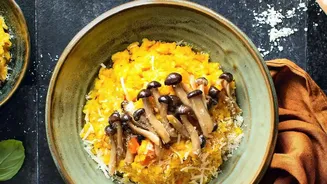
The marriage of earthy mushrooms and creamy polenta is a culinary classic for a reason. The deep, umami flavour of cooked mushrooms provides a perfect counterpoint to the mild, sweet corn taste of the polenta. While you can use almost any mushroom you enjoy, some varieties work especially well. Cremini (also known as baby bella) and shiitake mushrooms are readily available and offer a robust flavour. For a more intense, woodsy aroma, look for wild mushrooms like chanterelles, porcini, or maitake when they are in season. Even simple button mushrooms, when browned properly, will bring a wonderful depth to the dish. The key is to cook them until their moisture has evaporated and they begin to caramelise, concentrating their flavour.
The Art of Creamy Polenta
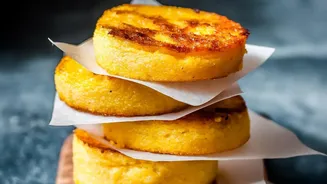
The secret to perfect polenta lies in technique and patience. The most common pitfall is lumps, which can be avoided by pouring the cornmeal into the simmering liquid in a slow, steady stream while whisking constantly. The standard ratio is about four to five parts liquid to one part polenta. Using a mix of water and milk, or a flavourful vegetable or chicken stock, will create a much richer result than water alone. Once the cornmeal is incorporated and begins to thicken, reduce the heat to low and switch from a whisk to a wooden spoon. Cook for at least 30-40 minutes, stirring frequently to prevent it from sticking to the bottom of the pot. You'll know it's ready when the texture is smooth and creamy, and the individual grains are tender, not gritty.
Building a Flavour Foundation
While the polenta cooks, you can prepare the mushroom topping. Start by heating olive oil or butter in a skillet over medium-high heat. Add aromatics like sliced shallots and minced garlic and cook for a minute until fragrant. Add your sliced mushrooms and cook, stirring occasionally, until they release their liquid and start to brown. This step is crucial for developing a deep, savoury flavour. Once the mushrooms are golden, you can deglaze the pan with a splash of dry white wine or sherry, scraping up any browned bits from the bottom. Finish with fresh herbs like chopped parsley, thyme, or sage, which complement the earthiness of the mushrooms perfectly. Season generously with salt and pepper.
Bringing It All Together
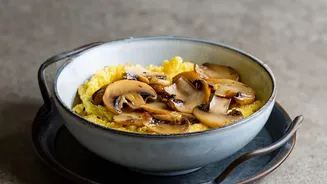
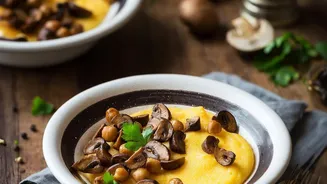
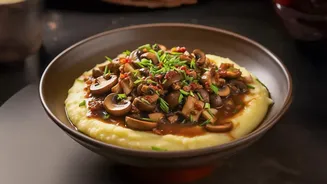
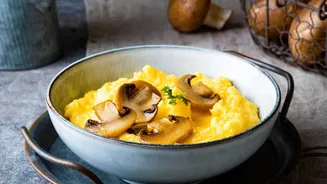
Just before serving, elevate your polenta by stirring in a knob of butter and a generous handful of grated Parmesan cheese. This final touch adds a silky richness and salty tang that completes the dish. Taste the polenta and adjust the seasoning with salt and pepper. If it has become too thick while standing, you can whisk in a splash of warm milk or water until it reaches your desired consistency. To serve, spoon the warm, creamy polenta into shallow bowls. Create a well in the centre and pile the sautéed mushrooms and their juices on top. For an extra touch of elegance, garnish with fresh parsley and an additional sprinkle of Parmesan cheese before bringing it to the table.