




The Golden Rules: Time and Temperature
The most critical concept in food safety is the 'temperature danger zone'. This is the temperature range between 5°C and 60°C where bacteria can grow most rapidly. Perishable foods—like cooked meats, dairy products, and rice dishes—should not be left
in this zone for more than two hours. If the ambient temperature is high, this window shrinks even further. For long journeys, this means your first meal should be the most perishable items. Anything that needs to be kept cold should be stored in a cooler with ice packs to maintain a temperature below 5°C. Similarly, hot foods should be kept above 60°C in an insulated container, though this is harder to maintain for many hours. Understanding this time and temperature rule is the first step to preventing foodborne illnesses. When in doubt about how long something has been sitting at room temperature, the safest motto is: when in doubt, throw it out.
Start Clean, Stay Clean
Impeccable hygiene is non-negotiable. Before you even think about packing, ensure your hands, utensils, and containers are thoroughly cleaned. Wash your hands with soap and water for at least 20 seconds before and after handling food. Use clean, sanitized containers with tight-fitting lids to prevent leaks and cross-contamination. It's wise to use separate cutting boards and utensils for raw and cooked foods during preparation. Pack clean cutlery and serving spoons to avoid touching food with your hands. Carrying a hand sanitizer with at least 60% alcohol is a great idea for when soap and water aren't readily available. Remember, even perfectly cooked food can become contaminated if handled improperly, so maintaining cleanliness from start to finish is paramount.
Pack Like a Pro: Smart Strategies
Strategic packing can make all the difference. Use insulated coolers or bags for perishable items. A full cooler stays colder longer than a partially filled one, so pack any empty space with extra ice packs or frozen water bottles, which can be drunk as they thaw. Consider packing drinks in a separate cooler, as it will likely be opened more frequently. Place raw meat, poultry, or fish at the bottom of the cooler, securely wrapped, to prevent any juices from leaking onto other foods. Store cooked and ready-to-eat items in separate, sealed containers. Packing in reverse order of consumption can be helpful; items you'll eat last should go at the bottom, and the first meal should be on top for easy access.
Your Travel-Friendly Menu
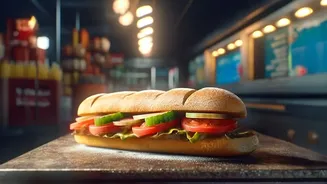
Choosing the right foods is just as important as how you pack them. For the first few hours of your journey, you can enjoy items like sandwiches or parathas. However, for longer hauls, focus on non-perishable or low-risk foods. Excellent options include hard cheeses, whole fruits you can peel yourself (like bananas and oranges), and vegetables like cucumbers. Dry snacks such as nuts, seeds, trail mix, roasted chickpeas, granola bars, and crackers are perfect as they don't require refrigeration and provide sustained energy. Dehydrated foods, including jerky or fruit leather, are also fantastic, lightweight choices. Avoid packing high-risk foods like creamy salads, unpasteurised dairy products, and raw or undercooked seafood.
On-the-Go Vigilance
Your job isn't done once the food is packed. Throughout your journey, remain vigilant. Before eating anything, give it a quick inspection. Does it smell off? Does it look unusual? Food that has spoiled may not always show obvious signs, but if you have any suspicions, it is best not to consume it. For train journeys, while you can bring your own food, remember that railway staff are prohibited from heating or storing personal food items for you due to health regulations. This reinforces the need for self-sufficiency. Keep your eating area clean, and if you are using shared surfaces, wipe them down first. Dispose of waste properly in designated bins to keep your space and public transport clean. By staying mindful during your trip, you ensure the final leg of the food safety journey is a success.