
The Power of Cruciferous Vegetables
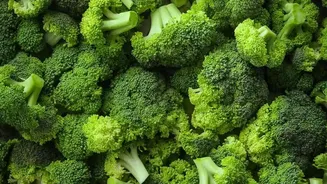
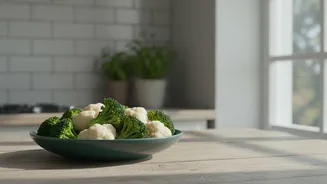
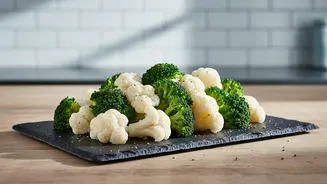
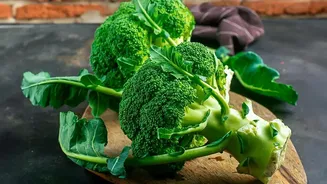
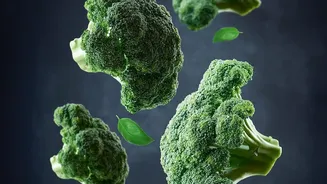
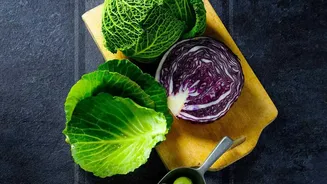
Cabbage, cauliflower, broccoli, kale, and Brussels sprouts are all part of a vegetable family known as cruciferous vegetables. They are nutritional powerhouses, celebrated for being rich in vitamins, fibre, and particularly, unique antioxidant compounds
called glucosinolates. These compounds are what give these vegetables their distinct sharp flavour and are linked to significant health benefits, including anti-inflammatory and cancer-fighting properties. When we chop or chew these vegetables, an enzyme called myrosinase gets to work, converting glucosinolates into highly beneficial compounds like sulforaphane. However, this delicate process is highly sensitive to heat, meaning your cooking method can either enhance or diminish the health benefits you receive.
Steam: The Nutrient-Sparing Champion
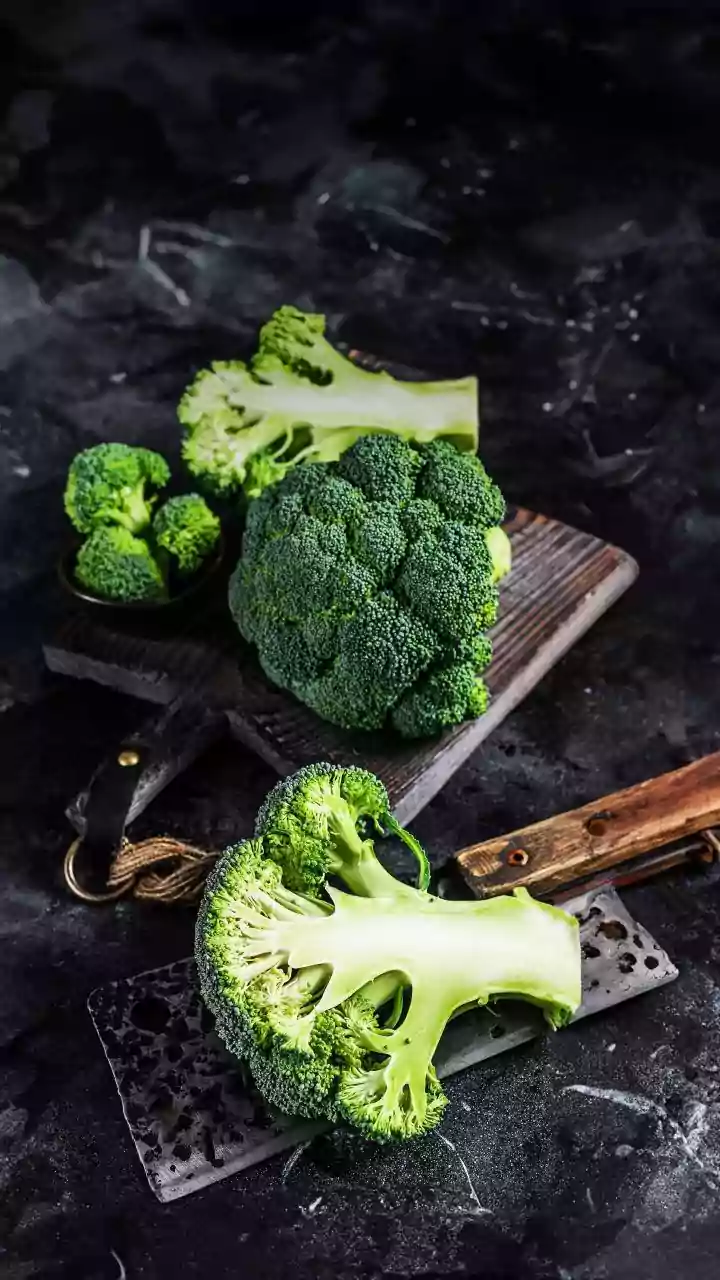
When it comes to cooking cruciferous vegetables, steaming is widely considered the gold standard for nutrient preservation. Research shows that steaming is one of the best methods for retaining water-soluble nutrients like vitamin C and B vitamins, which are sensitive to heat and can easily leach into cooking water. Studies on broccoli, for instance, have shown that steaming causes no significant loss of vitamin C, whereas other methods like boiling or stir-frying can reduce it dramatically. More importantly, steaming is exceptionally good at preserving glucosinolates. One study found that steaming broccoli for up to five minutes was the best way to retain myrosinase, the crucial enzyme needed to form sulforaphane. In some cases, steaming can even make these compounds more available than when the vegetable is raw.
The Problem with High Heat and Hot Oil
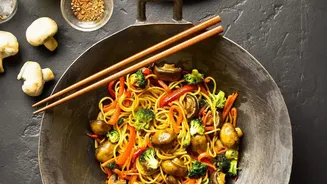
While stir-frying in a little oil can be a healthy cooking method for some foods, it poses a problem for cruciferous vegetables when the heat gets too high. Frying involves cooking at a high temperature, which can destroy the heat-sensitive myrosinase enzyme within minutes, halting the production of beneficial sulforaphane. One study that compared cooking methods for broccoli found that frying destroyed 84% of its glucosinolates. Boiling is also detrimental, as a large portion of these water-soluble compounds simply leaches out into the water, which is often discarded. Frying not only degrades these antioxidants but also adds unnecessary fats and calories, and the combination of high heat and oil can be more destructive to nutrients than the gentle, moist environment of steam.
How to Steam for Maximum Benefit
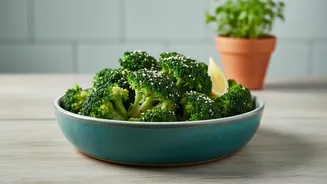
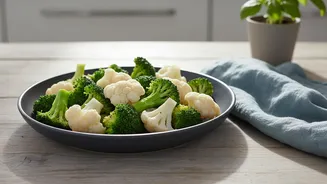
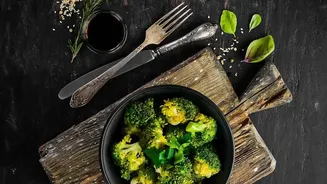
The key to effective steaming is to be gentle and quick. The goal is not to cook the vegetables until they are mushy, but to make them tender-crisp. Overcooking will destroy the very nutrients you are trying to preserve. For broccoli, steaming for three to five minutes is often cited as the ideal duration to retain its beneficial compounds. You don't need special equipment; a simple metal basket or colander placed in a pot with a small amount of simmering water will work perfectly. Ensure the vegetables sit above the water, not in it, and that the pot is covered to trap the steam. The bright green colour of steamed broccoli is a good visual cue that you’ve retained many of its nutrients. Once cooked, you can toss the vegetables with a little healthy oil, salt, and spices to enhance their flavour without sacrificing their nutritional integrity.