



The Great Comeback Story
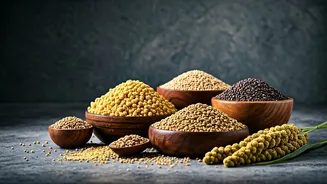
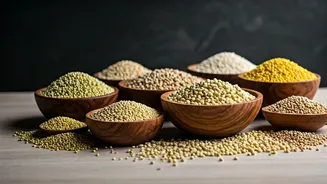
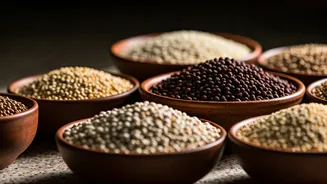
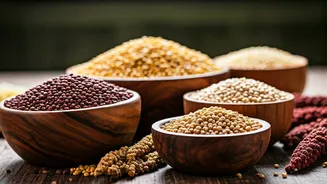
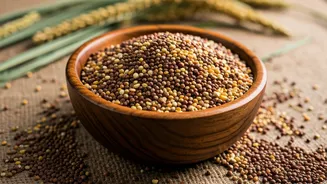
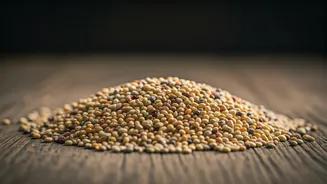
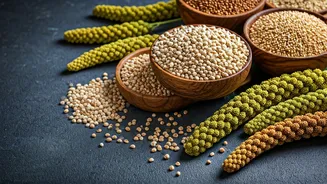
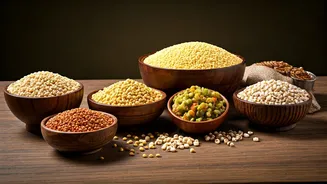
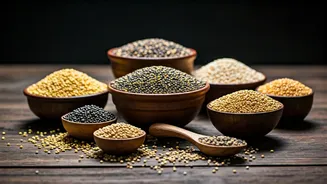
For centuries, millets like jowar, bajra, and ragi were staples in Indian homes before the Green Revolution prioritized wheat and rice. Now, the tide is turning. This resurgence isn't just a kitchen trend; it's a global movement. Spearheaded by India,
the United Nations declared 2023 the International Year of Millets, casting a spotlight on these humble grains. The Indian government has also passionately championed their cause, rebranding them as 'Shree Anna' or 'esteemed grain' and working to reintroduce them into the national diet, from public distribution systems to school mid-day meals. This renewed focus is driven by a simple truth: millets are exceptionally good for both us and the planet.
A Nutritional Powerhouse
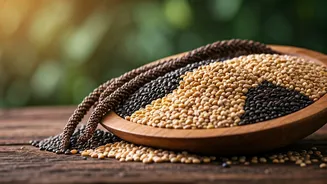
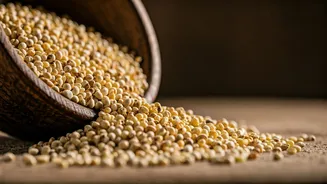
Forget imported superfoods; millets offer a powerhouse of nutrition right in our backyard. They are naturally gluten-free, making them a blessing for those with celiac disease or gluten sensitivity. Packed with dietary fibre, they aid digestion, promote gut health, and keep you feeling full longer, which can help with weight management. Millets also boast a low glycemic index, meaning they release sugar into the bloodstream slowly, making them an excellent choice for managing blood sugar levels. Furthermore, they are rich in essential minerals. Ragi (finger millet) is a fantastic source of calcium, while bajra (pearl millet) and jowar (sorghum) are loaded with iron, magnesium, and antioxidants.
Good for You, Good for the Planet
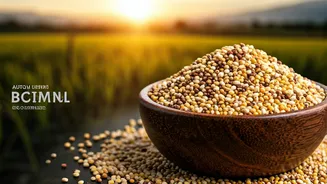
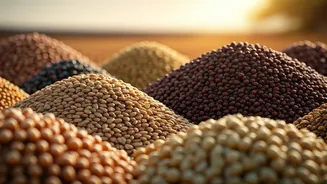
The case for millets becomes even stronger when you consider their environmental benefits. In an era of climate change and dwindling water resources, millets are a farmer's best friend and a climate-smart choice. These hardy crops are drought-tolerant, requiring significantly less water than rice and wheat—some estimates suggest as little as one-tenth the water needed for rice. They can thrive in poor, arid soils with minimal need for chemical fertilizers and pesticides, which reduces environmental pollution and improves soil health. Their deep root systems help prevent soil erosion and enhance biodiversity, making millet cultivation a cornerstone of sustainable agriculture.
Beyond Bhakri and Porridge
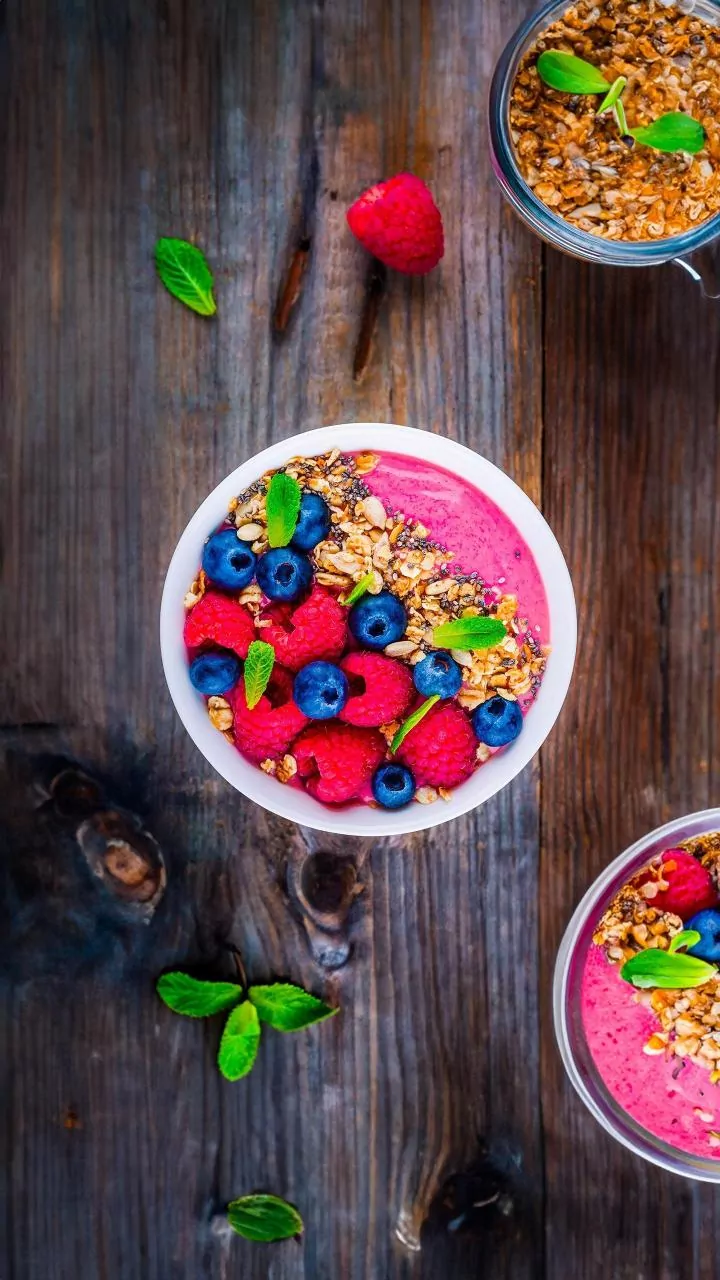
Perhaps the most exciting part of the millet revival is the rediscovery of its culinary versatility—its incredible 'range'. While traditional preparations like bhakri, roti, and porridge remain beloved, chefs and home cooks are now exploring new and innovative ways to use these grains. You can find millet flour baked into delicious cakes, cookies, and breads. Whole millets are being used to create creamy risottos, fluffy pulaos, and refreshing salads. They are also finding their way into breakfast favourites like dosas, idlis, and pancakes, offering a nutritious start to the day. From millet noodles to even millet-based beer, the possibilities are proving to be endless, showcasing that these ancient grains fit perfectly into the modern kitchen.