

A Cultural Shift in How India Eats
For generations, snacking in India was synonymous with taste and tradition. Today, a new factor is taking center stage: purpose. Indian consumers are becoming increasingly conscious of the link between their diet and long-term wellbeing. This shift is driven
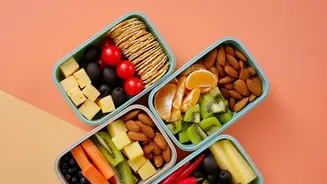
by a rising awareness of lifestyle-related health issues and a growing desire for preventive nutrition. More than half of Indian consumers now actively manage their diet to improve their health. The conversation is moving beyond calories to consider how food contributes to energy, immunity, and overall quality of life. As a result, what was once an impulsive treat is now an intentional choice, with a significant number of people actively trying to cut back on ultra-processed foods in favor of whole, minimally processed alternatives.
The Protein Revolution Goes Mainstream
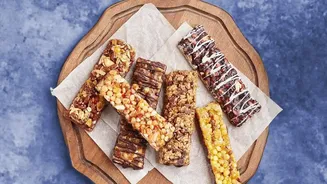
Protein is no longer a niche interest for gym-goers and athletes; it has officially entered the mainstream Indian kitchen. A 2026 survey found that 86% of respondents considered protein important when choosing a snack. This demand is fueling a boom in the protein-based products market, which is projected to grow from around INR 44,048 Crores in 2025 to over INR 1,60,767 Crores by 2034. This trend is visible everywhere, from the surge in sales of protein bars and high-protein yogurts to the launch of protein-fortified versions of everyday foods. Quick commerce platforms have reported a 150% surge in protein-related orders over the last two years, indicating a fundamental change in consumer buying habits.
Nuts and Seeds: From Festive Treat to Daily Staple
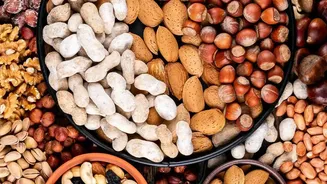
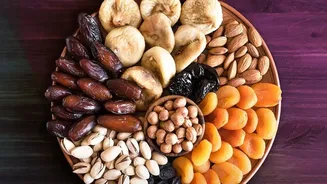
Once reserved for festive occasions and gifting, nuts and seeds are now a cornerstone of the healthy snacking movement. India’s packaged nuts and seeds market is experiencing explosive growth, with some estimates projecting a compound annual growth rate of over 10% between 2026 and 2033. This is driven by their reputation as nutrient-dense, convenient sources of energy, protein, and fibre. Consumers are swapping out traditional fried snacks for roasted makhana (fox nuts), flavoured almonds, and assorted seed mixes. The rise of quick commerce has made these options more accessible than ever, allowing consumers in both urban and semi-urban areas to get single-serve packs delivered in minutes.
The Urban Hustle Demands Convenience
Changing lifestyles, particularly in urban centers, are another major catalyst. Hectic work schedules and longer commutes mean that structured, traditional mealtimes are giving way to more frequent, smaller eating occasions throughout the day. This 'snackification' of meal patterns creates a powerful demand for options that are both convenient and nutritious. Consumers need food that can be eaten on the go without compromising their health goals. Nuts, seeds, and protein bars fit perfectly into this new rhythm, offering a portable, mess-free, and functional way to refuel during a busy day. The era where consumers had to choose between health and convenience is rapidly ending.
A New Generation of Snack Brands
This consumer-led shift has been met with a wave of innovation from a new generation of direct-to-consumer (D2C) brands. Companies like The Whole Truth, Farmley, Heka Bites, and Eat Better are disrupting the market by offering products that promise clean labels, transparent ingredients, and healthier preparation methods like roasting instead of frying. These brands are leveraging digital platforms and quick commerce to reach health-conscious consumers directly, bypassing traditional retail channels. Even legacy companies are diversifying their portfolios to include healthier options, recognizing that the demand for 'better-for-you' products is no longer a niche trend but the new expectation.