





The Danger Zone and the Two-Hour Rule
The most critical concept in food safety is the 'danger zone', a temperature range between 5°C and 60°C where bacteria can multiply rapidly. Food safety authorities worldwide, including the FSSAI, emphasize that perishable foods should not be left in this
temperature range for more than two hours. In fact, bacteria can double in number in as little as 20 minutes within this zone. This two-hour window includes all time the food spends at room temperature, from the grocery store to your kitchen counter. If the ambient temperature is high, such as above 32°C (around 90°F), this safe window shrinks to just one hour. Perishable items include meat, poultry, seafood, dairy, cooked leftovers, and even cut fruits and vegetables.
Trust Your Senses, But with Caution
A preliminary check using your senses is a good first step. Obvious signs of spoilage include unpleasant or sour odours, changes in colour like meat turning grey, and altered textures such as sliminess on vegetables or meat, or milk becoming lumpy. Visible mould is a clear indicator that food should be discarded. For canned goods, any bulging, leaking, or rusted cans are red flags. However, it's vital to remember that the most dangerous foodborne bacteria often don't change the look, smell, or taste of food. Therefore, you cannot rely on a 'sniff test' alone to determine if food left out too long is safe. Never taste food to check if it has spoiled.
Decoding 'Use By' and 'Best Before'
Understanding date labels is key to avoiding both waste and illness. A 'Use By' date is about safety. It is found on highly perishable foods like fresh meat and dairy products. Food should not be eaten after its use-by date, even if it looks and smells fine, as it could pose a serious health risk. In contrast, a 'Best Before' date relates to quality, not safety. This date is common on frozen, tinned, and dried goods. After this date, the food is generally safe to eat, but its flavour, texture, or colour might have deteriorated. For these items, you can often use your senses to judge if they are still acceptable.
Proper Storage Is Your Best Defence
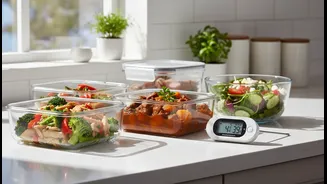
Proper storage begins the moment you finish shopping. Perishables should be refrigerated or frozen immediately. Your refrigerator should be kept at or below 5°C, and your freezer at -18°C or below. To prevent cross-contamination, always store raw meat, poultry, and seafood in sealed containers on the bottom shelf of the fridge, away from cooked and ready-to-eat foods. Cooked leftovers should be stored in clean, covered containers and ideally used within three to four days. When storing items, avoid packing the refrigerator so tightly that air cannot circulate, which is essential for maintaining a consistent, cool temperature.
When in Doubt, Throw It Out
This is the single most important rule in food safety. The risks associated with eating spoiled food, which can range from mild stomach upset to severe food poisoning, are not worth taking. Some bacteria can produce heat-resistant toxins that cannot be destroyed by reheating or cooking. So, if you're unsure how long a perishable item has been sitting on the counter or if it shows any questionable signs, it is always safest to discard it. Wasting a small amount of food is far better than facing a serious foodborne illness.