




Meet Your Gut Microbiome
Imagine a bustling city inside your digestive tract. This is your gut microbiome, home to trillions of microorganisms, including bacteria, viruses, and fungi. [3, 17] This community isn't just a passive resident; it's a vital partner in your overall health.
These microbes help digest food, produce essential nutrients, regulate your immune system, and even communicate with your brain. [6, 13, 15] An imbalance in this delicate ecosystem, sometimes called dysbiosis, has been linked to various health issues. [6, 17] Keeping this internal city thriving is key, and the most important fuel for its beneficial residents is dietary fibre. [13, 15]
Fibre: The Unsung Hero
Fibre is a type of carbohydrate found in plants that your body can't digest. [11] Instead of being broken down, it travels to your large intestine, where it becomes food for your gut bacteria. [11, 21] This process of fermentation produces short-chain fatty acids (SCFAs), which have powerful anti-inflammatory benefits and support gut health. [21, 23] There are two main types of fibre, and you need both. Soluble fibre dissolves in water to form a gel, which can help lower cholesterol and stabilise blood sugar. [2, 4, 20] Insoluble fibre adds bulk to stool, promoting regularity and preventing constipation. [2, 10, 20] Most plant foods contain a mix of both. [5]
Fads Fail, Fibre Prevails
The wellness world is full of expensive fads promising a quick fix for your gut. From detox teas and restrictive cleanses to unverified food intolerance tests, these trends often lack scientific backing and can sometimes be harmful. [22, 31] Many 'cleanses' are based on laxatives that don't detoxify the body and can disrupt your gut's natural balance. [22] Similarly, long-term restrictive diets can reduce the diversity of your gut microbiome by starving beneficial bacteria of the different types of fibre they need to thrive. [28] Unlike these fleeting fads, a consistent diet rich in varied, fibre-filled whole foods provides a sustainable, evidence-backed path to long-term gut health.
Your Indian Fibre-Rich Food Guide
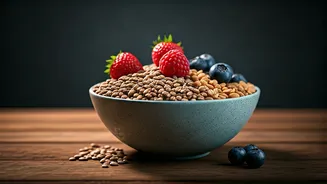
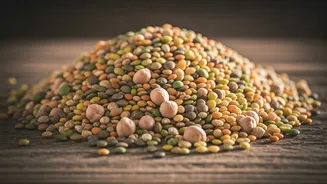
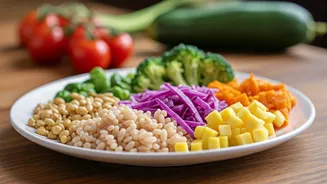
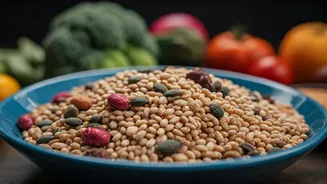
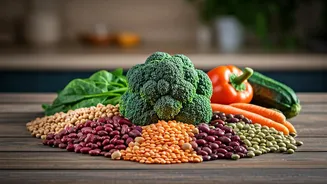
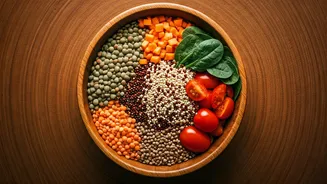
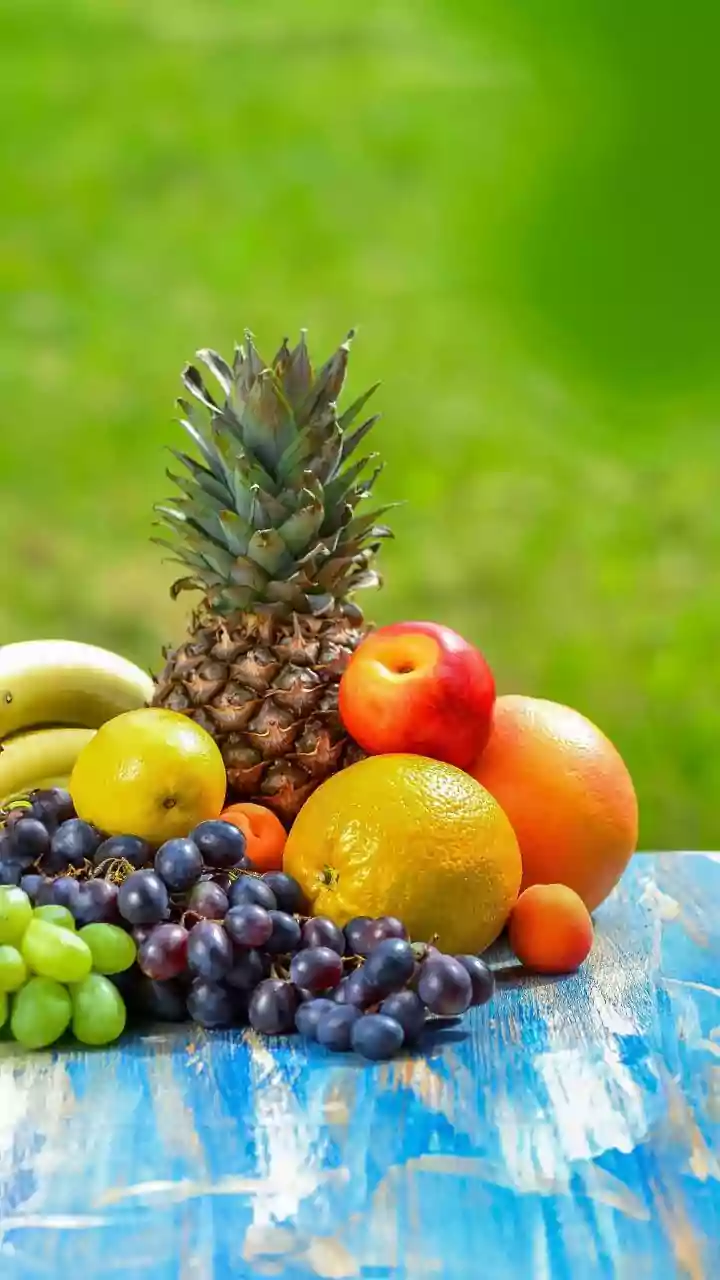
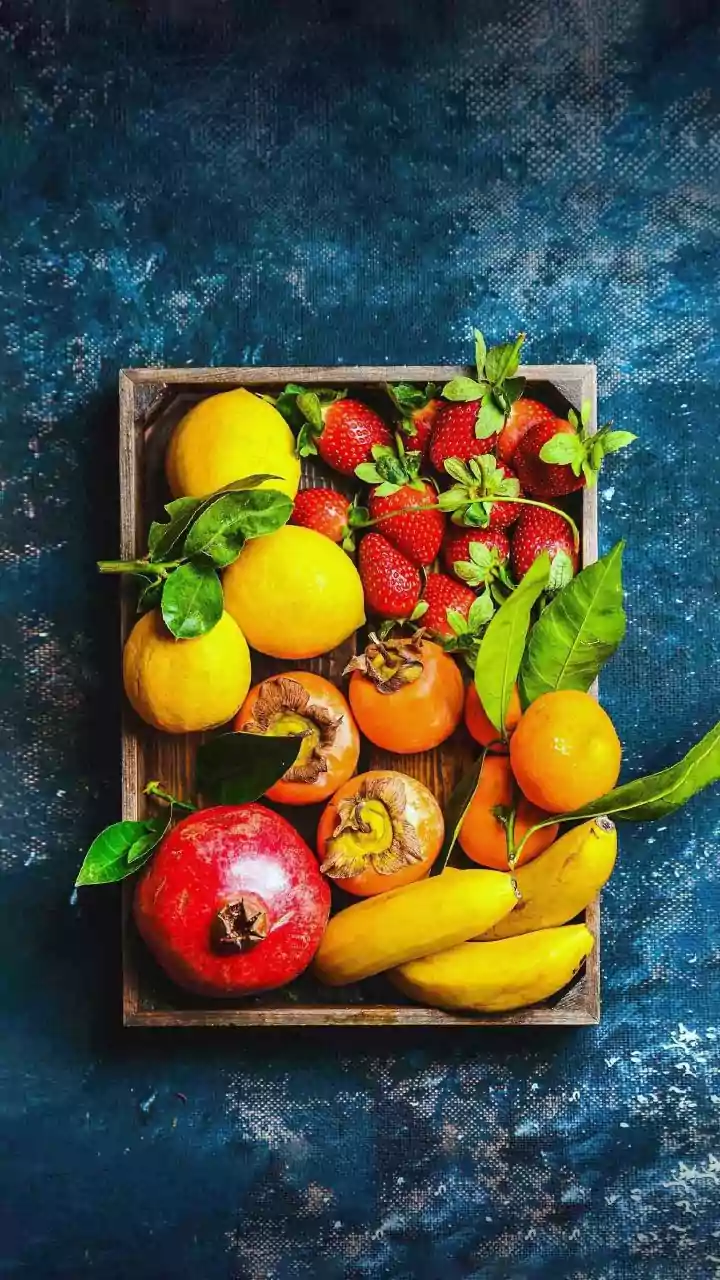
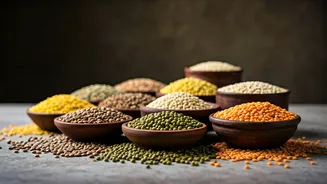
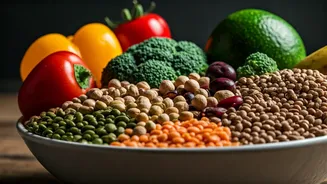
Fortunately, a traditional Indian diet is naturally rich in high-fibre foods. The Indian Council of Medical Research (ICMR) recommends about 25-40 grams of fibre daily, but many urban Indians consume only about half that amount. [8, 25] Closing this gap is easier than you think. Focus on incorporating whole grains like jowar, bajra, ragi, and whole wheat atta. [9, 12] Pulses and legumes such as dal, chana, and rajma are powerhouses of both fibre and protein. [16, 19] For vegetables, don't forget staples like okra (bhindi), spinach (palak), bottle gourd (lauki), and carrots. [9, 19] And for fruits, guava, apples (with the skin), bananas, and papayas are excellent choices. [12, 16]
Simple Swaps for a Fibre Boost
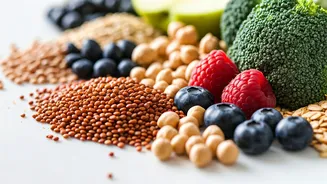
Increasing your fibre intake doesn't require a complete dietary overhaul. Small, consistent changes can make a big difference. Swap white rice for brown rice or millets. [8] Choose whole wheat or multigrain atta for your rotis. [9] Add a handful of nuts like almonds and walnuts or seeds like flax and chia to your breakfast. [16, 18] Try to eat at least one meal a day that features dal, beans, or legumes. [27] Snack on a whole fruit instead of reaching for processed biscuits. By making these simple swaps, you'll be well on your way to meeting your daily fibre goals and feeding your gut the right way.