

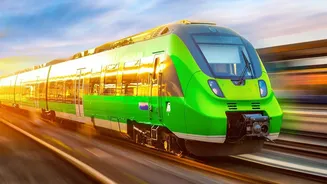

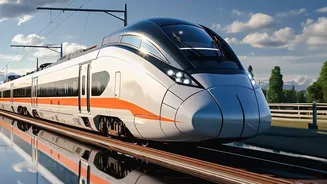
What Exactly is a Hydrogen Train?
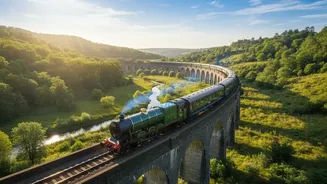
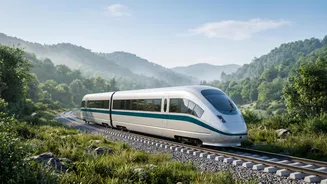
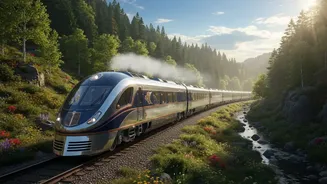
Imagine a train that glides through scenic mountains with zero carbon emissions, producing only water vapour as a byproduct. That's the promise of hydrogen fuel cell technology. Unlike conventional trains that burn diesel or draw power from overhead electric
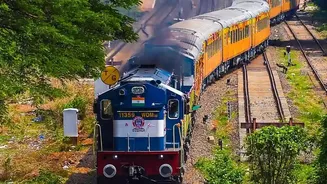
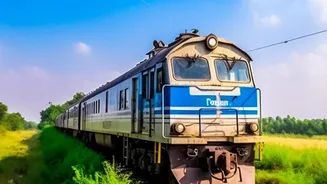
lines, a hydrogen train is essentially an electric vehicle with its own onboard power plant. It uses a fuel cell to generate electricity through a chemical reaction between stored hydrogen and oxygen from the air. This process, known as cold combustion, creates no smoke and is significantly quieter than a diesel engine. By retrofitting existing Diesel Electric Multiple Unit (DEMU) trains, Indian Railways is converting them into these clean energy marvels, a key step towards its ambitious goal of becoming a Net Zero carbon emitter by 2030.
Pioneering Trials and Future Routes
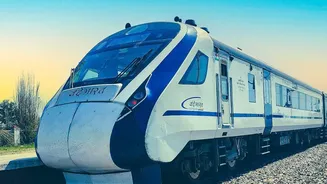
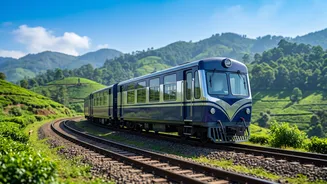
The journey began with a successful pilot project on the 89-kilometre Jind-Sonipat section in Haryana, where India's first hydrogen train was flagged off in July 2026. This initial phase was crucial for testing the technology's performance, safety, and operational viability under Indian conditions. It involved creating an entire ecosystem, including a hydrogen production and refueling station at Jind. Now, building on the experience from this pilot, Indian Railways is advancing its 'Hydrogen for Heritage' scheme. The plan is to introduce 35 hydrogen trains across eight historic, narrow-gauge routes that are difficult to electrify. These include world-renowned lines like the Kalka-Shimla Railway, the Darjeeling Himalayan Railway, and the Nilgiri Mountain Railway.
Blending Heritage with a Green Future
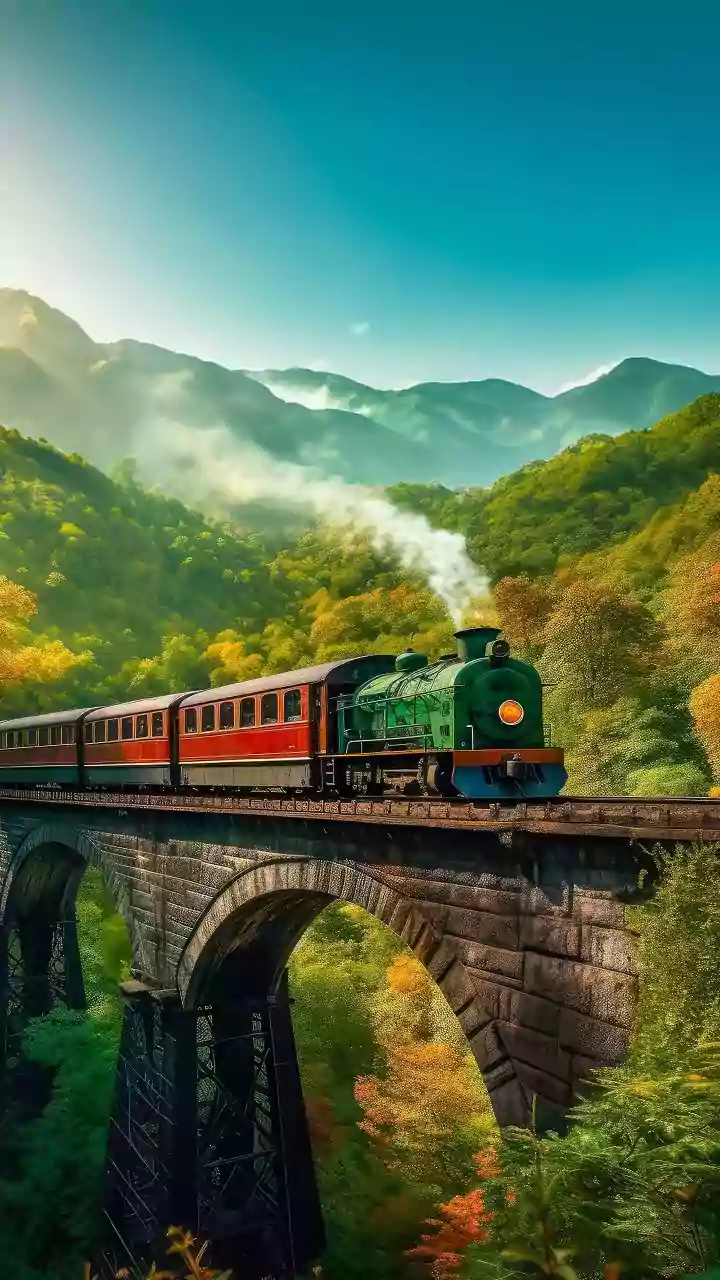
The decision to focus on heritage routes is strategic and symbolic. These scenic lines, such as the Kalka-Shimla, are UNESCO World Heritage sites, and electrifying them with overhead cables would compromise their natural beauty and historical character. By introducing hydrogen-powered trains, Indian Railways can preserve the nostalgic charm and aesthetics of these routes while eliminating the pollution from diesel locomotives. This initiative perfectly marries the preservation of India's rich railway past with its vision for a sustainable, technologically advanced future. It positions India among a select group of nations, including Germany and China, that are pioneering hydrogen rail technology.
The Technology Powering the Change
The development of India's first hydrogen train is a testament to indigenous capability. Hyderabad-based firm Medha Servo Drives was contracted to retrofit the existing diesel units, integrating fuel cell technology from partner Ballard Power Systems. The first prototype, which ran on the Jind-Sonipat line, is a 10-coach train capable of carrying around 2,600 passengers. Its successful trials, reaching speeds of 120 kmph, have paved the way for efforts to operate these trains at up to 110 kmph. The project is a cornerstone of the National Green Hydrogen Mission, which aims to make India a global hub for the production and use of green hydrogen, reducing reliance on fossil fuels and driving energy independence.
Challenges and the Road Ahead
While the vision is clear, the path has its challenges. The initial cost of hydrogen trains and the supporting ground infrastructure is high. A single train is estimated to cost around ₹80 crore, with an additional ₹70 crore for infrastructure per route. However, it is expected that these costs will decrease as the technology matures and more trains are brought into service. Establishing a reliable supply chain for green hydrogen across mountainous and remote heritage routes is another logistical hurdle to overcome. The success on the Jind-Sonipat section provides a crucial blueprint, but scaling this for multiple, geographically diverse heritage lines will require significant investment and planning. Despite these challenges, the commitment to this green transition remains firm as Indian Railways steams ahead, not with coal, but with clean hydrogen.