




The Weight of Our Waste
It’s a sight familiar to every urban Indian: overflowing public bins and mountains of refuse at landfill sites on the city's edge. India generates over 62 million tonnes of waste annually, a figure projected to rise dramatically. A staggering 50-60% of this
is wet, organic waste from our kitchens—vegetable peels, leftover food, and fruit scraps. When this organic matter gets mixed with dry waste like plastic and paper, it rots in landfills, releasing methane, a potent greenhouse gas, and creating a toxic leachate that pollutes soil and groundwater. Our current system of centralised waste management is buckling under this pressure, making it clear that a new approach is not just desirable, but essential.
From Kitchen Scrap to Garden Gold
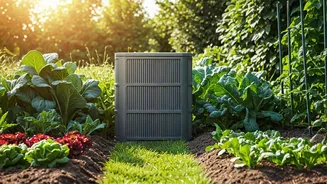
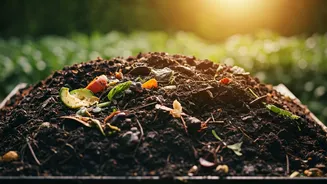
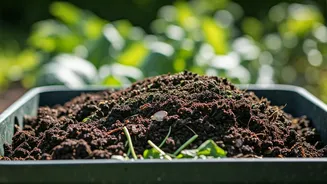
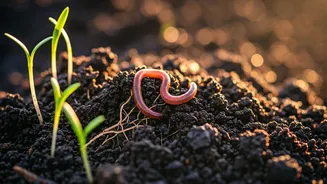
This is where the composting movement comes in. Instead of viewing organic waste as ‘garbage’, a growing number of individuals, families, and residential communities are treating it as a resource. Composting is nature’s own recycling process. It’s the controlled decomposition of organic materials by microorganisms into a dark, crumbly, nutrient-rich substance. This final product, often called ‘black gold’, is a phenomenal soil conditioner, perfect for enriching garden beds, potted plants, and community green spaces. By composting at home, citizens are effectively diverting a huge chunk of waste from ever reaching the landfill, tackling the problem right at its source.
Your Simple Composting Starter Guide
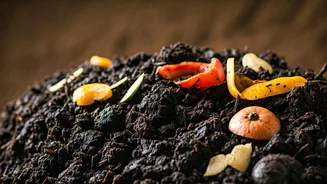
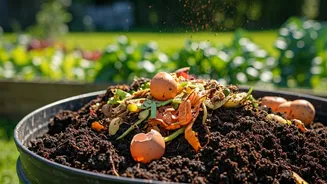
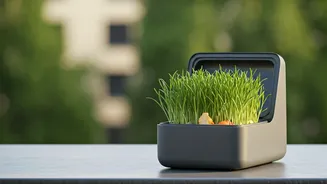
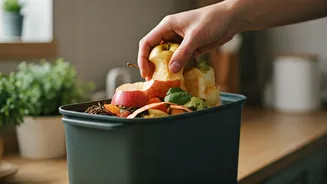
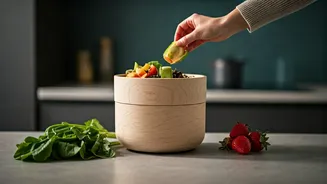
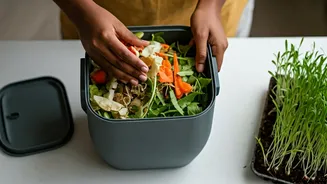
The thought of starting a compost pile can seem intimidating, but the process is surprisingly simple and forgiving. You don't need a large garden or expensive equipment. Many urban dwellers successfully compost in apartments using compact bins. All you need are four key ingredients: 1. Greens (Nitrogen-rich): This includes all your raw kitchen scraps like vegetable peels, fruit waste, coffee grounds, tea leaves, and crushed eggshells. 2. Browns (Carbon-rich): These are the dry materials that provide structure and prevent odours. Think dried leaves, shredded newspaper, cardboard, sawdust, and coconut coir dust (cocopeat). 3. Water: The compost pile needs to be moist like a wrung-out sponge, not soaking wet. 4. Air: Microbes need oxygen to work their magic. This means turning or aerating your pile regularly.
How to Begin in Three Easy Steps
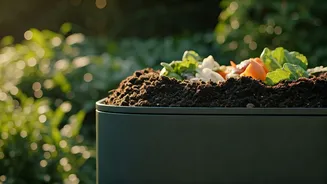
Ready to start? Here’s a basic method for bin composting, perfect for a balcony or utility area. First, get a container. This can be a dedicated composter from the market or a simple bucket or clay pot (like a khamba) with holes drilled for aeration. Begin by adding a thick layer of ‘browns’ at the bottom. Second, start layering. Every time you add your kitchen ‘greens’, cover them with an equal or slightly larger amount of ‘browns’. This balance is key to preventing smells and pests. Keep the lid on the container. Third, maintain your pile. Once a week, use a small rake or stick to turn the contents, mixing the layers to introduce air. If it seems too dry, sprinkle a little water. If it’s too wet or smelly, add more ‘browns’. In a few months, the material at the bottom will transform into dark, earthy-smelling compost, ready to be harvested and used.
Overcoming Common Worries
Many people hesitate to compost because they worry about smells or attracting pests. However, these issues are almost always preventable with proper management. A smelly compost pile is a cry for help—it usually means there are too many ‘greens’ (nitrogen) and not enough ‘browns’ (carbon). The simple fix is to add more dried leaves, sawdust, or shredded cardboard. To keep pests away, ensure your bin has a secure lid and always bury your fresh food scraps under a layer of browns. Avoid adding cooked food, meat, oil, or dairy, as these are more likely to attract rodents and cause odours.