


Understanding September’s Dual Personality
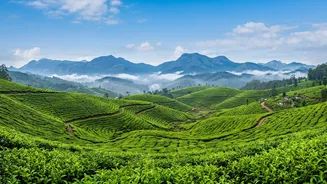
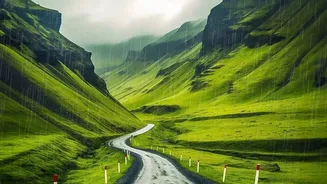
September is a month of transition in the Indian Himalayas. It marks the end of the heavy monsoon season and the beginning of autumn. This means you can experience the best of both worlds: the vibrant, rain-washed greenery of the monsoon and the clear,
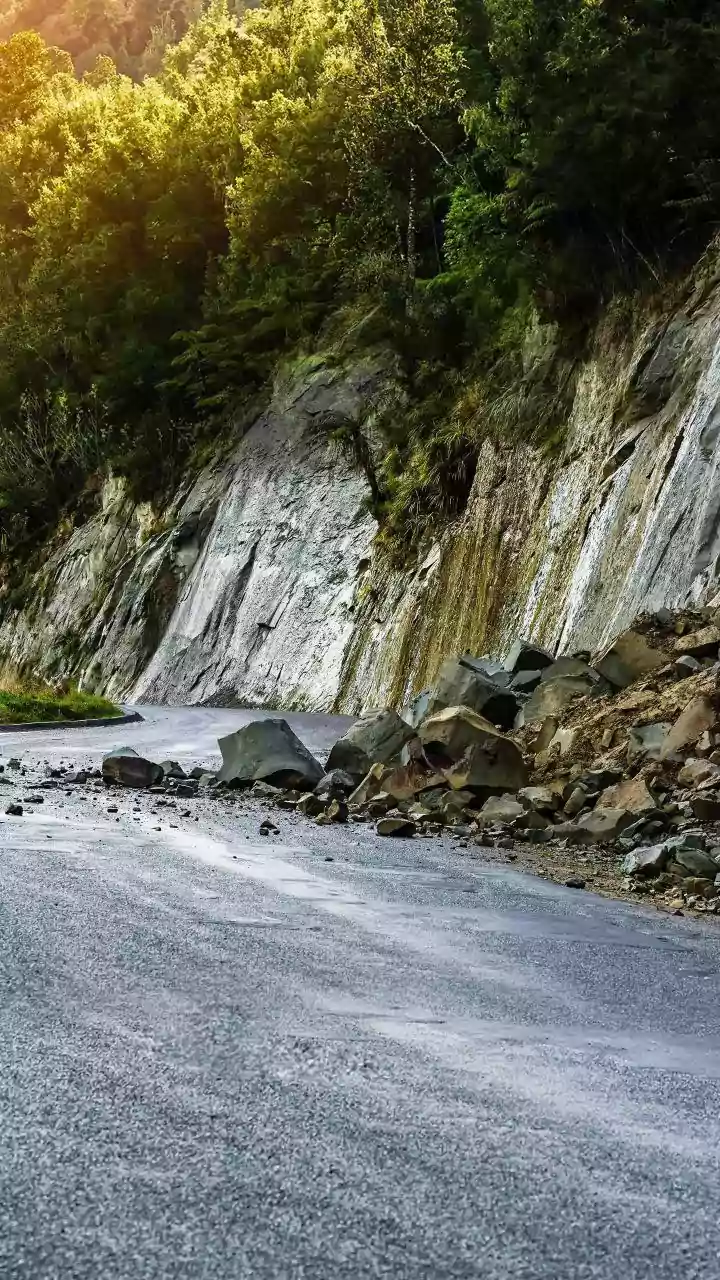
panoramic vistas of autumn. However, it also means the weather is notoriously fickle. While many days can be sunny and pleasant, the tail end of the monsoon can bring unexpected downpours. The risk of landslides and blocked roads remains a reality, especially in the early part of the month in regions like Uttarakhand and Himachal Pradesh. Therefore, planning a trip requires flexibility and a healthy respect for the weather forecast.
Choosing Your Destination Wisely
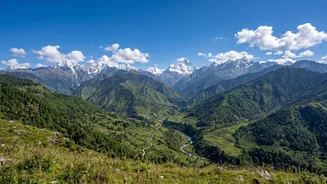
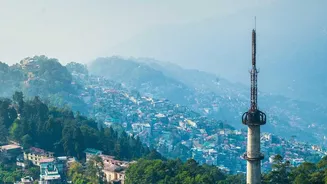
Not all mountain destinations are equal in September. Some areas are safer and more accessible than others. The rain-shadow regions, like Spiti Valley and Ladakh, are excellent choices as they receive minimal rainfall and the post-summer conditions are ideal for road trips. September is often considered one of the best months to visit Spiti, as the roads are generally clear and the landscape is starkly beautiful. In states like Himachal Pradesh and Uttarakhand, popular spots like Shimla and Manali can be beautiful with pleasant weather, but it's crucial to check local conditions before and during your travel. Treks at lower to medium altitudes, such as the Goecha La Trek in Sikkim or the Valley of Flowers, can be rewarding as the environment is lush and trails are less crowded.
Packing for Every Possibility
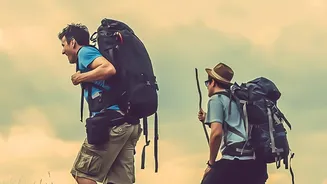
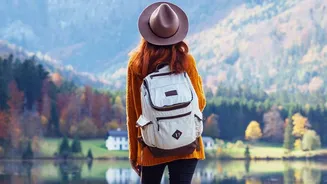
The key to packing for a September mountain trip is layering and waterproofing. Your clothing should be versatile enough to handle warm sun, chilly evenings, and sudden rain. Start with a base layer of moisture-wicking fabric to keep you dry. Add a warm mid-layer, like a fleece jacket, for insulation. The most crucial item is a reliable waterproof and windproof outer jacket. Quick-dry trousers are a better choice than jeans, which become heavy and cold when wet. A sturdy pair of waterproof trekking shoes with good grip is non-negotiable, as trails can be slippery and muddy. Also, pack a few pairs of wool socks, a warm hat, gloves, and a scarf for colder nights. An umbrella and a waterproof cover for your backpack are small additions that can make a big difference.
On the Road: Safety and Flexibility
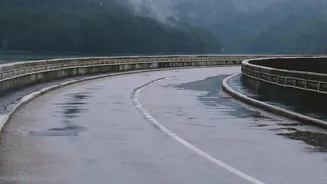
Driving in the mountains during this transitional season demands caution. Saturated slopes from the monsoon can lead to landslides, which can cause road blockages and significant delays. It is vital to build buffer days into your itinerary. Don't plan a tight schedule that can be derailed by a single road closure. Before you travel and each morning of your journey, check with local authorities, taxi unions, or online forums for the latest road status updates. Avoid travelling at night when visibility is poor and the risk of encountering hazards is higher. If you hire a driver, ensure they are experienced with navigating mountain roads in post-monsoon conditions. Their local knowledge can be invaluable for choosing safer routes.
Embracing a Flexible Mindset
A successful September mountain holiday is as much about mindset as it is about preparation. Be ready to adapt your plans. If a planned trek becomes unsafe due to heavy rain, have a backup plan, like exploring a local village or spending a cozy day in a cafe. The unpredictable weather is part of the experience. The reward for this flexibility is witnessing the mountains in a state of stunning transformation. You'll enjoy fewer crowds than in the peak seasons of summer and autumn, often at lower prices. The atmosphere is serene, the air is clean, and the landscapes are at their most vibrant, offering incredible opportunities for photography and peaceful contemplation.