

What Are Microgreens, Exactly?
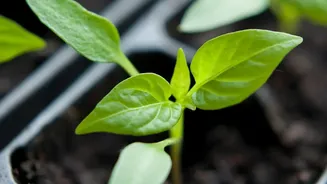
Microgreens are not to be confused with sprouts. They are young vegetable greens harvested just after the first true leaves have developed, typically within one to three weeks of germination. Unlike sprouts, which are germinated seeds, microgreens are grown
in soil or a growing medium and are harvested by snipping them above the soil line. This process results in tiny, flavourful greens that are essentially the baby versions of familiar vegetables like radish, broccoli, mustard, and fenugreek.
The Rise of the Urban Windowsill Farm
The popularity of microgreens in urban Indian households is booming. Several factors are driving this trend. Health-conscious consumers are increasingly seeking out nutrient-dense, chemical-free food options. The convenience is another major draw; growing your own greens ensures a fresh supply without a trip to the store, a significant plus given rising food costs and the perishability of fresh produce. For apartment owners, the minimal space requirement is key—a sunny windowsill is all the real estate you need. This accessibility makes it a sustainable and educational hobby, allowing city residents to reconnect with their food source.
A Nutritional Powerhouse on Your Plate
Don't let their small size fool you; microgreens pack a serious nutritional punch. Research has shown that they can contain anywhere from four to 40 times more vitamins and minerals than their mature counterparts. They are rich sources of vitamins C, E, and K, as well as minerals like iron, zinc, and potassium. Red cabbage microgreens, for instance, have significantly more vitamin C and E than mature cabbage. These tiny greens are also loaded with antioxidants and compounds that can support the immune system, improve digestion, and promote overall wellness.
Your Simple Windowsill Starter Kit
Getting started with microgreens is surprisingly simple and affordable. You don't need fancy equipment, and many necessary items can be found around your home. Here’s a basic list: a shallow tray (a recycled plastic container with drainage holes will work perfectly), a small bag of potting soil or a growing mat, quality seeds, and a spray bottle for watering. A spot that receives at least four hours of sunlight per day, like a south-facing windowsill, is ideal. To begin, simply fill your tray with a few inches of damp soil, spread your seeds densely across the surface, and lightly cover them with a bit more soil.
Easy Greens for First-Time Growers
For beginners, it’s best to start with seeds that germinate quickly and are easy to manage. Radish, mustard, fenugreek (methi), coriander, and broccoli are excellent choices that resonate well with Indian cuisine. These varieties tend to sprout within a few days and are ready to harvest in about two weeks. You can buy specific microgreen seed mixes or simply use quality seeds of herbs and vegetables you already enjoy. Starting with these forgiving plants builds confidence and provides a quick, rewarding harvest.
From Harvest to Table in Seconds
Once your microgreens are about two inches tall and have developed their first set of true leaves, they are ready to eat. Harvesting is as easy as taking a pair of scissors and snipping the greens just above the soil level. For the best flavour and nutritional value, it's recommended to use them immediately after washing. Their uses are incredibly versatile. Add a fresh, peppery crunch to salads and sandwiches, garnish dals, curries, and soups, or blend them into smoothies for a nutrient boost.