


The Rain Shadow Deception
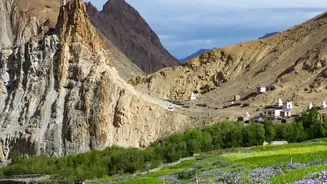
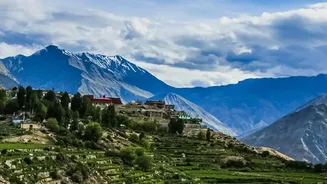
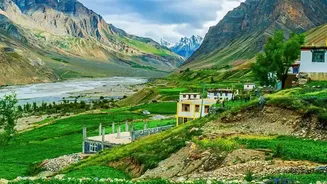
Spiti Valley is technically a cold desert in a rain-shadow area, which means the valley itself receives very little rainfall compared to the rest of Himachal Pradesh. This fact can be misleading. While Kaza and nearby villages might be dry and sunny,
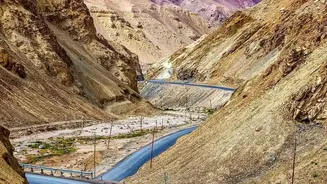
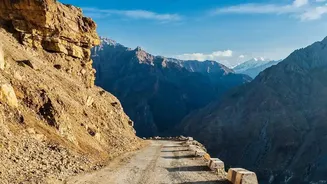
the approach roads that cut through the lower Himalayas are not immune. The routes from both Shimla (via Kinnaur) and Manali are highly susceptible to the full force of the monsoon, experiencing heavy downpours that the main valley is spared. This creates a dangerous disconnect: the weather at your destination gives no indication of the safety of the road to get there.
Landslides: The Primary Monsoon Threat
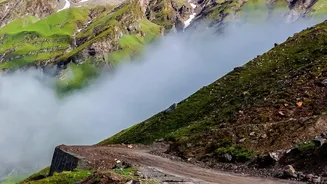
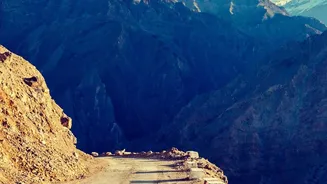
The primary danger during a monsoon trip to Spiti isn't getting rained on; it's getting caught by a landslide. Intense rainfall saturates the soil on the steep, fragile slopes lining the highways. This can trigger sudden and massive landslides, blocking roads for hours or even days. Key stretches, particularly on the Shimla-Kaza highway through Kinnaur, are notorious for this activity. Areas like Malling Nallah and the stretch between Wangtu and Sumdo are perennial trouble spots. Recent advisories for August 2026 highlight the active monsoon and the possibility of localized landslides and mudslides in vulnerable areas. The Border Roads Organisation (BRO) works tirelessly to clear these blockages, but the terrain's instability means new slides can occur without warning.
Flash Floods and Swollen Crossings
Another significant risk is flash floods. Short, intense bursts of rain in the higher catchment areas can send a sudden torrent of water, mud, and boulders down the narrow gorges and streams (nalas) that intersect the roads. These water crossings, which might be a mere trickle in the dry season, can become impassable, raging rivers within minutes. Incidents in previous years have seen bridges washed away and vehicles stranded. Advisories often warn that these crossings are most dangerous in the afternoon as snowmelt combines with rainwater, urging drivers to start their journeys early to cross them while water levels are lower. As of early August 2026, light snowfall has already been reported at high passes like Chandratal, which can exacerbate these conditions.
How to Track Bulletins and Stay Safe
This is why authorities insist travellers monitor daily updates. Your trip's viability can change overnight. Official sources are your best bet. The India Meteorological Department (IMD) issues district-level warnings for heavy rainfall, thunderstorms, and high winds. For road status, follow updates from the Lahaul & Spiti District Police and the Himachal Pradesh State Disaster Management Authority, often shared on social media platforms. Local travel groups and forums can provide real-time, on-ground updates from other travellers, but always verify this information with official sources. Tracking these bulletins allows you to be flexible, which is the golden rule of monsoon travel in Spiti. This means being prepared to change your route, delay your travel by a day, or even turn back.
The Non-Negotiable Travel Plan
If you must travel to Spiti during the monsoon, a rigid itinerary is your enemy. The most crucial safety measure is to build buffer days into your schedule—at least two to three extra days are recommended. This accounts for potential road closures without causing panic or forcing you to take unnecessary risks. The Shimla-Kaza route is generally considered the safer bet for entry during monsoon as the altitude gain is more gradual, aiding acclimatisation, though it is not without landslide risk. The Manali-Kaza route, via Kunzum Pass, is rougher and should only be attempted if confirmed to be safe on the day of travel. Always travel during the day, carry extra fuel and essential supplies, and ensure your vehicle has good ground clearance.