




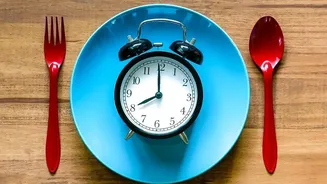


Your Body’s Internal Clock
Every person operates on a 24-hour internal cycle known as the circadian rhythm. This master clock, located in the brain, is primarily influenced by light and dark. It tells your body when to wake up, feel alert, get tired, and go to sleep. But it’s not
just about sleep; this rhythm also governs crucial bodily functions like hormone release, body temperature, and, importantly, digestion and metabolism. Organs like your stomach and liver have their own internal clocks that are designed to be active during the day and rest at night. This ensures your digestive system is primed to efficiently process food when you are most likely to eat.
How Shift Work Creates Internal Chaos
Shift work forces your body into a state of conflict. When you work through the night, you are awake, active, and eating when your body's clock is winding down for rest and repair. Exposing your eyes to light at night suppresses melatonin, the hormone that signals darkness and sleep, further confusing your internal systems. This creates a mismatch, known as circadian misalignment, between your brain's master clock and the clocks in your other organs. Even long-term shift workers rarely fully adapt to this disruption, leading to a state of enduring stress on the body. This internal chaos is a primary reason why shift work is linked to significant health challenges.
The Health Toll of a Disrupted Clock
The consequences of this misalignment are felt physically. Shift workers frequently report more gastrointestinal issues like bloating, gas, abdominal pain, constipation, and heartburn compared to day workers. This happens because eating at night forces your digestive system to work when it's supposed to be resting, leading to inefficient digestion. Beyond discomfort, the metabolic impact is serious. Studies show that eating at night impairs the body's ability to process sugar, leading to higher blood glucose levels. This chronic disruption increases the risk of developing metabolic syndrome—a cluster of conditions including high blood pressure, excess body fat, and abnormal cholesterol levels—as well as type 2 diabetes and heart disease.
The Solution: Aligning Meals with Your Rhythm
The good news is that strategic meal timing can counteract some of these negative effects. Research increasingly shows that restricting eating to daylight hours, even when working at night, can protect your metabolic health. A key study found that simulated night shift workers who ate only during the day did not experience the spike in blood glucose levels that affected those who ate at night. This suggests that when you eat is a powerful tool to help realign your body's various clocks. By eating when your digestive system is most efficient, you support better blood sugar control and reduce the metabolic stress on your body.
Practical Meal Timing Tips for Shift Workers
Implementing this strategy requires planning, but it's achievable. Aim to eat your main, most substantial meal before your shift begins, while it's still daytime. This 'anchor meal' should be balanced with complex carbs, lean protein, and vegetables to provide sustained energy. During your night shift, especially between the hours of midnight and 6 a.m., try to minimize or avoid eating altogether. Your digestive system is at its lowest point during these hours. If you must eat, opt for small, light, protein-focused snacks to maintain energy without overburdening your system. Stay hydrated with water, as caffeine can lead to dehydration and disrupt sleep later. Finally, have a small, easily digestible meal or snack after your shift and before you go to bed to prevent waking up from hunger.