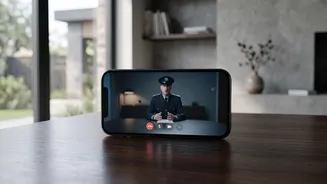








A threatening call from someone claiming to be a police or CBI officer can cause instant panic. This is the core of the 'digital arrest' scam, a growing cyber fraud in India designed to extort money through fear. Here’s what really happens.
What is a 'Digital Arrest'?
A 'digital
arrest' is not a real legal procedure; it is a sophisticated cyber scam. Fraudsters impersonate officials from law enforcement agencies like the police, CBI, or TRAI, and accuse you of a crime. They create a high-pressure situation, often over a video call on platforms like Skype or WhatsApp, to intimidate you. The goal is to scare you into believing you are under investigation and confined to your home, unable to speak to anyone, all while being monitored by them online. This psychological manipulation is designed to make you comply with their ultimate demand: immediate payment.
The Anatomy of the Scam
The scam typically begins with an unsolicited call. The fraudster might claim a parcel in your name contains illegal items, or that a SIM card registered with your Aadhaar number has been used in criminal activities. To make the threat seem real, they often use sophisticated props, such as wearing uniforms, showing fake ID cards, and displaying forged arrest warrants or official documents. They may even create a background that looks like a police station. The scammers insist on keeping you on a continuous video call, isolating you from family and friends to prevent you from verifying their claims or seeking help. This extended period of digital confinement and intimidation is designed to break your resolve.
The Demand for Immediate Payment
After creating intense fear and panic, the impersonators present their demand. They will claim you can resolve the fictitious legal issue by transferring money. The reasons they give vary widely: it could be for 'case settlement', a 'verification fee' for your bank accounts, or to secure 'bail' to avoid physical arrest. They pressure you for an immediate transfer, often to multiple 'mule' bank accounts to make the funds difficult to trace. They might instruct you to break fixed deposits or even take out instant loans online to arrange the money quickly. The promise is always that the money will be returned once you are cleared, but once the transfer is made, the scammers disappear.
Red Flags: How to Spot the Fraud
Recognising the warning signs is crucial to protecting yourself. Be extremely cautious of any unsolicited call from someone claiming to be from a law enforcement agency. Real government bodies like the police, CBI, or TRAI do not conduct official business, make arrests, or demand money over phone or video calls. Any request to stay on a call for hours, to not speak with anyone, or to keep the matter secret is a major red flag. Most importantly, legitimate authorities will never ask you to transfer money to a 'safe' account for verification or to settle a case. Any demand for payment via UPI, bank transfer, or gift cards is a definitive sign of a scam.
What to Do If You Are Targeted
If you receive such a call, the first and most important step is to stay calm and disconnect immediately. Do not engage in an argument or provide any personal or financial information. After ending the call, block the number. Inform a trusted family member or friend about the incident. Do not use any contact information provided by the caller to verify their claims. Instead, if you are concerned, you can visit your nearest police station for clarification. Most importantly, report the incident immediately to the National Cyber Crime Reporting Portal at cybercrime.gov.in or by calling the national helpline number 1930. If you have already transferred money, notifying the helpline and your bank at once offers the best chance of freezing the transaction.