





The Bean-To-Bar Difference
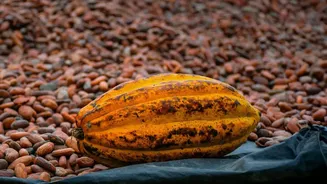
For decades, chocolate in India was synonymous with sweet, milky, and industrially produced bars. The concept of 'bean-to-bar' changes this narrative entirely. Unlike large manufacturers who often buy pre-processed cocoa mass, bean-to-bar artisans manage
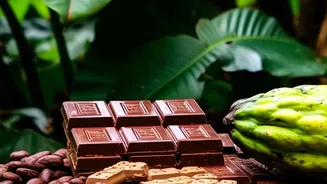
the entire process themselves. This includes sourcing the cacao beans directly from farmers, followed by meticulous steps of fermenting, drying, roasting, grinding, conching, and tempering. This hands-on approach allows them to control every variable, preserving the unique, delicate flavours of the bean that are often lost in industrial production. It’s a movement that prioritises quality, traceability, and the true expression of the cacao itself.
South India's Cacao Belt
The hot, humid climes of South India provide an ideal environment for growing fine-flavour cacao. The rolling hills of Idukki in Kerala, the fertile plains near the Godavari river in Andhra Pradesh, and pockets of Tamil Nadu and Karnataka form a burgeoning cacao belt. Cacao has been cultivated here for decades, but it's only recently that its potential for high-end chocolate has been realised. Grown in agroforestry systems alongside spices like cardamom and pepper, or fruits like coconut and banana, the cacao beans absorb the characteristics of their unique terroir. This results in complex flavour profiles that are distinctly Indian, with notes ranging from fruity and spicy to earthy and nutty.
Pioneers of Indian Craft Chocolate
Several pioneering brands have been instrumental in this craft chocolate renaissance. Auroville-based Mason & Co, founded in 2014, is known for its organic, vegan, and ethically sourced bars made by an all-female workforce. They work directly with organic farmers in South India, championing fair trade principles. Then there is Soklet, from Tamil Nadu, which prides itself on being one of India's first 'tree-to-bar' makers, managing everything from their own cacao plantations to the finished product. In Kerala, Paul and Mike have gained international acclaim for their innovative bars, sourcing fine-flavour cocoa from their own farms and other progressive farmers, while infusing their chocolates with local fruits and spices.
A Taste of Terroir
What makes these chocolates truly special is their ability to convey a sense of place. An Indian single-origin dark chocolate is a world away from its counterparts in Africa or South America. The cacao from Idukki, for instance, is known for its chocolaty aroma and flavour notes of spices, raisins, and tobacco. Artisans are not just stopping at single-origin dark chocolates; they are creating inclusion bars that celebrate local flavours. Imagine chocolate infused with filter coffee, jamun, sitaphal, or even a hint of masala chai. These are not mere novelties but thoughtful pairings that elevate both the chocolate and the indigenous ingredient, creating a uniquely Indian gourmet experience.
An Ethical and Exquisite Choice
This movement is about more than just taste; it represents a conscious consumer choice. By working directly with farmers and cooperatives, these chocolatiers ensure better, more stable prices for cacao growers, fostering sustainable agricultural practices. The emphasis on traceability means consumers know exactly where their food comes from. This surge in quality has also redefined chocolate as a premium gift. Beautifully packaged and telling a story of craft and origin, these bean-to-bar creations are fast becoming the go-to option for discerning gifters during festivals and special occasions, anchoring the gift hamper rather than just being an accessory within it.