





A New Age of the Road Warrior
Across India, a cultural shift is taking place on four wheels. The classic long weekend getaway is no longer a meticulously planned annual event but a frequent, almost casual, occurrence. Data from travel and mobility companies shows a significant uptick
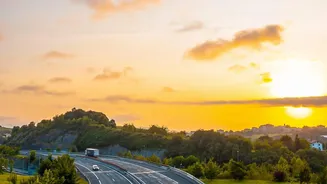
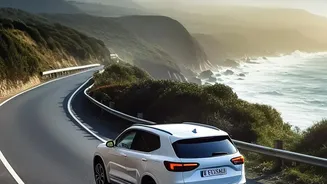
in intercity travel, especially along routes connecting major metros to leisure destinations. This isn't just about the traditional Mumbai-Pune corridor; the fastest growth is now seen on regional routes connecting Tier-2 cities and previously overlooked towns. More Indians are packing their bags, starting their cars, and hitting the newly paved highways for quick escapes, driven by a combination of better roads and a growing appetite for experience-led travel.
Paved with Possibility
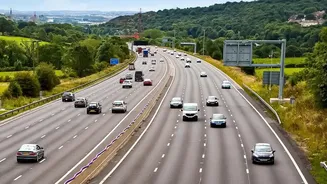
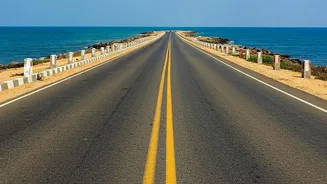
The primary catalyst for this trend is the unprecedented expansion of India's highway network. Ambitious projects are drastically reshaping the country's travel map. The Delhi-Mumbai Expressway, for instance, is set to slash the travel time between the two metropolises from 24 hours to just 12. The first operational leg of this expressway has already cut the Delhi-Jaipur journey from five hours to around three. Similarly, the Samruddhi Mahamarg is revolutionising travel in Maharashtra, reducing the Mumbai-Nagpur drive from 15 hours to about eight. These new expressways, designed for higher speeds and improved safety, are turning destinations that were once a day's journey away into viable weekend options.
From Daydream to Destination
What does this mean in practice? It means a resident of Delhi can now seriously consider a weekend exploring the palaces of Jaipur without sacrificing an entire day to travel. For Mumbaikars, pilgrimage sites like Shirdi and wine country around Nashik are now much more accessible thanks to the Samruddhi Mahamarg. The expressway enhances access to key tourist spots like the Ajanta and Ellora Caves and several wildlife sanctuaries. This improved connectivity is unlocking a new map of possibilities, encouraging travellers to explore destinations that were previously considered too difficult or time-consuming to reach for a short break.
The Ripple Effect on Local Economies
This boom in road travel is creating significant economic ripples. As highways bring more visitors, once-quiet towns are transforming into bustling hubs for tourism. There's a noticeable rise in the development of weekend homes, homestays, and hotels along these new arterial routes. This influx of travellers supports local economies, creating jobs and new business opportunities for entrepreneurs, farmers, and artisans in areas that were previously isolated. The development of new townships and agro-industrial zones is also being planned along major expressways to leverage this increased connectivity, promising sustained regional growth.
Navigating the Bumps Ahead
However, this rapid growth is not without its challenges. The surge in traffic puts immense pressure on the new infrastructure, highlighting the need for consistent maintenance to combat wear and tear from heavy use and extreme weather. Project delays are also a persistent issue, with recent government data showing that over half of ongoing national highway projects have missed their original deadlines. Furthermore, the increased volume of vehicles raises concerns about traffic management in and around major interchanges, road safety, and the environmental impact of both construction and increased traffic. Addressing these hurdles is crucial to ensure the long-term sustainability and success of India's highway-led tourism boom.