




Embrace Strategic Ventilation
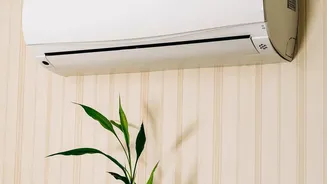
When it’s raining outside, opening windows seems counterintuitive, but stagnant air is dampness's best friend. The key is strategic ventilation. Create cross-ventilation by opening windows on opposite sides of your home for at least 30 minutes a day,
preferably when it’s not actively raining. This expels humid indoor air and draws in the fresher, albeit still moist, outdoor air, which is crucial for preventing mould growth. In kitchens and bathrooms, always use the exhaust fan during and after cooking or showering to vent steam and moisture directly outside.
Control Indoor Humidity
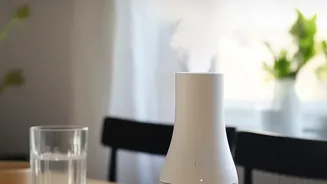
Controlling the moisture level in the air is your next line of defence. If your budget allows, a dehumidifier is an excellent investment for the monsoon months, effectively pulling water from the air. For a more natural and budget-friendly approach, place bowls of salt, charcoal briquettes, or chalk sticks in damp corners, closets, and bathrooms. These materials are natural desiccants, absorbing excess moisture from their immediate surroundings. Remember to replace them periodically as they become saturated.
Protect Your Walls and Furniture
Damp patches on walls and mould on furniture are common monsoon complaints. The best long-term solution is prevention, which includes checking for and repairing any leaks in your roof or plumbing before the rains begin. Applying a coat of waterproofing paint to exterior walls can also prevent seepage. Inside, keep your furniture, especially wooden pieces, at least six inches away from walls. This small gap allows air to circulate, preventing moisture from getting trapped between the wall and the furniture, a common breeding ground for mould.
Safeguard Wardrobes and Clothing
Closets are dark, enclosed spaces with limited airflow, making them highly susceptible to mustiness and mould. Never store clothes that are even slightly damp. Ensure everything is completely dry before it goes into the wardrobe. To keep the space fresh, use natural repellents and moisture absorbers. Placing camphor balls, neem leaves, or cloves in your closets can help deter mildew and insects. Small silica gel packets, often found in new shoe boxes or bags, can also be placed in drawers and closets to absorb moisture.
Address Mould Immediately
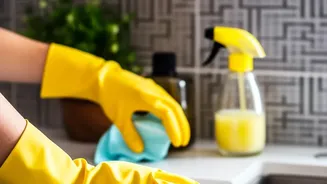
If you do spot mould, it’s crucial to act fast to prevent it from spreading. Small surface spots can often be cleaned with household solutions. A mixture of white vinegar and water is effective for cleaning mould from walls and other surfaces. For non-porous surfaces like tile or glass, a diluted bleach solution can also be used. When cleaning, wear gloves and ensure the area is well-ventilated. After cleaning, the most important step is to thoroughly dry the area. If you don't address the underlying moisture problem, the mould will almost certainly return.