



The New Face of Highway Travel
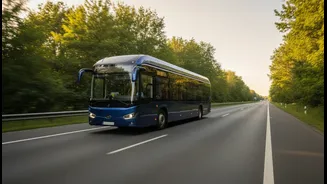
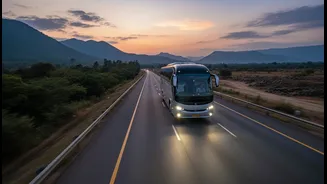
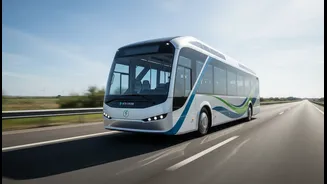
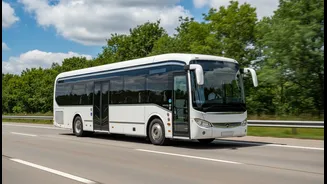
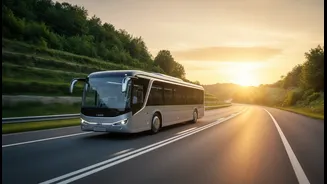
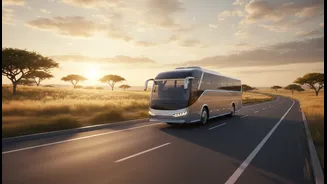
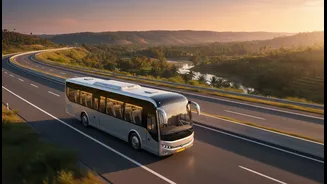
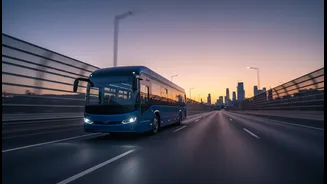
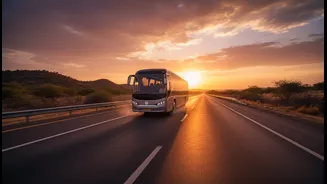
A new category of bus travel is taking root in India, defined by a silent, smooth ride and premium amenities. Companies like NueGo, Fresh Bus, and zingbus are leading the charge, deploying fleets of electric buses on high-traffic intercity routes. These
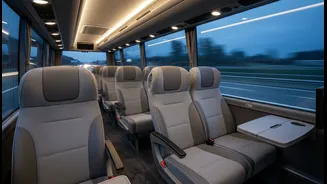
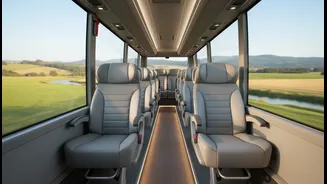
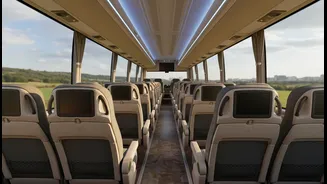
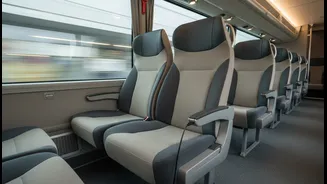
aren't your typical long-distance coaches. Passengers can expect features like comfortable reclining seats, individual charging ports, Wi-Fi, and a significantly quieter journey, free from the vibrations of a diesel engine. This focus on an elevated passenger experience is a core part of the strategy, aiming to attract travellers who might otherwise opt for trains or personal cars.
The Southern and Western Advantage
The expansion is currently concentrated in Southern and Western India for several strategic reasons. These regions feature some of the country's most economically vibrant and densely populated corridors, such as Hyderabad-Bengaluru, Mumbai-Pune, and Chennai-Tirupati. This ensures a steady stream of business and leisure travellers. Furthermore, the superior quality of highway infrastructure in these states makes them ideal for deploying high-tech electric buses that benefit from smooth road surfaces. Operators are essentially targeting routes where a combination of high demand and good infrastructure makes the business case most compelling. Recent announcements have confirmed plans to deepen this footprint, with hundreds of new premium and electric buses slated for deployment across states like Telangana, Andhra Pradesh, Karnataka, Tamil Nadu, Maharashtra, and Goa.
Favourable Economics and Policy
The main development driving this expansion is a powerful combination of economic viability and government support. While an electric bus has a higher upfront cost than a comparable diesel model, the long-term operational savings are significant. Electricity is cheaper than diesel, and electric buses have fewer moving parts, leading to drastically lower maintenance costs. This economic advantage is supercharged by the Indian government's FAME (Faster Adoption and Manufacturing of Electric Vehicles) scheme. FAME-II, in particular, provides substantial subsidies for the purchase of electric buses, helping to offset the high initial investment for operators and making the financial model attractive.
Overcoming Long-Haul Challenges
Despite the momentum, the path to nationwide adoption isn't without bumps. The biggest hurdles for intercity electric buses are range anxiety and charging infrastructure. A bus running out of charge mid-journey is not an option. To counter this, companies are making massive investments in building their own charging networks. This involves setting up high-capacity fast chargers at depots and, crucially, at midway points on long routes to enable quick top-ups. For instance, some new partnerships are pioneering 15-minute rapid charging solutions to make long-haul EV operations as seamless as their diesel counterparts. However, the high cost of setting up this infrastructure, including securing land and high-power grid connections, remains a significant challenge for operators.
A Better Passenger Experience
Ultimately, the success of this model hinges on winning over the passenger. The environmental benefit of zero tailpipe emissions is a key selling point, but the immediate, tangible benefits are what build loyalty. The ride is quieter and smoother, which reduces travel fatigue. Operators are focusing on what was previously a pain point in bus travel: reliability, hygiene, and safety. By offering a clean, comfortable, and predictable service—complete with modern amenities and safety features like CCTV and driver monitoring—these companies are redefining what it means to travel by bus in India.